Acne + Blemishes
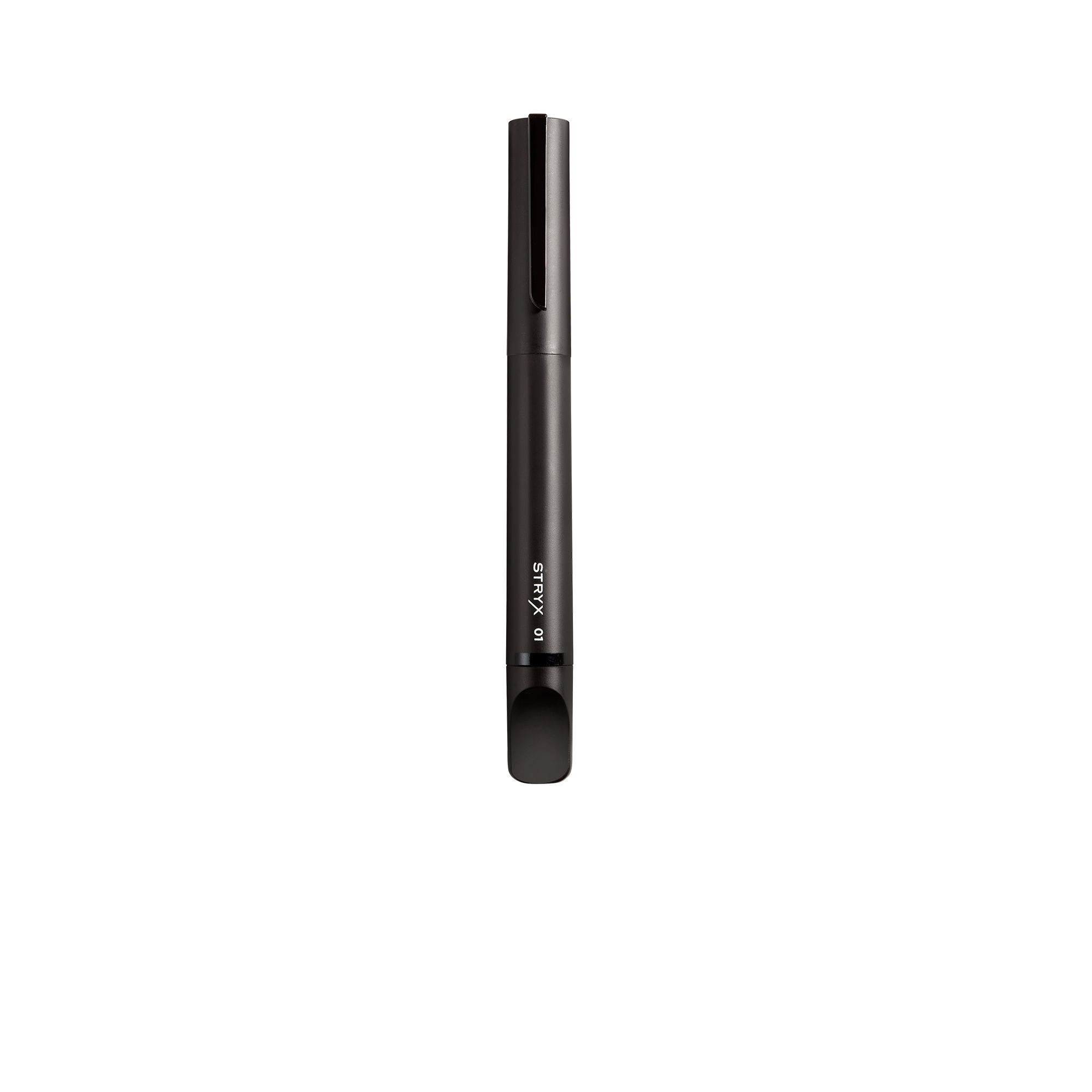
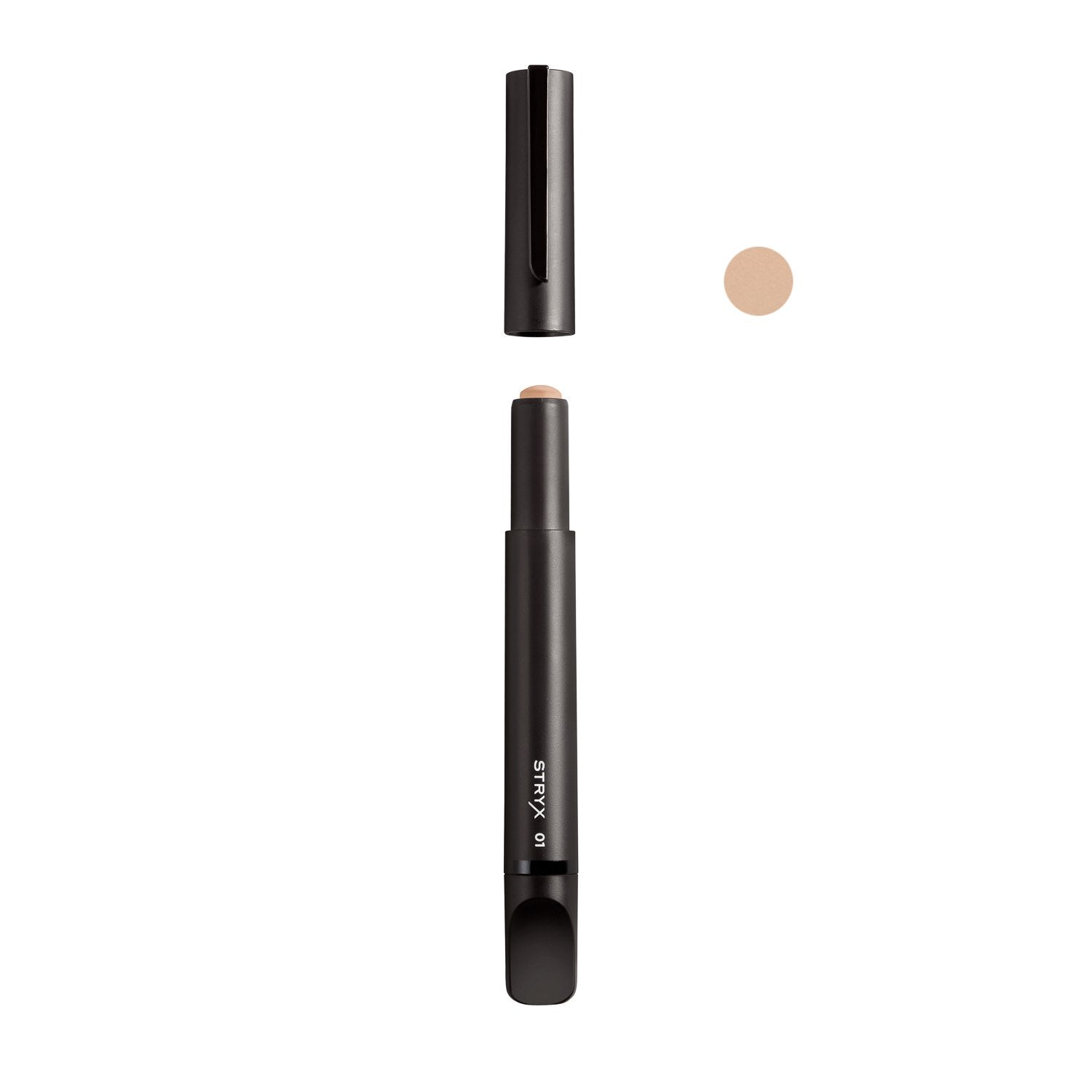
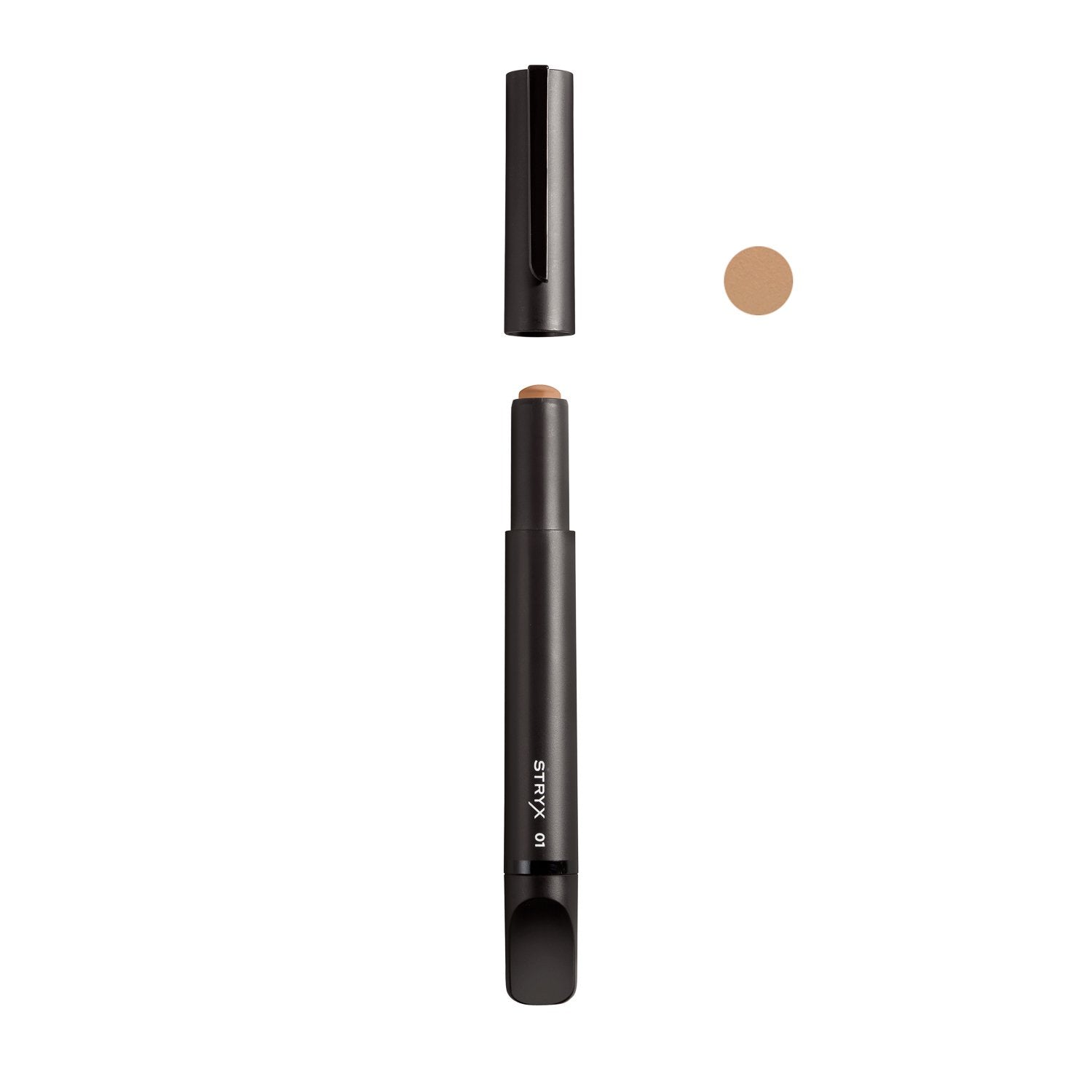
Men's Acne & Blemish Treatment — Clear Skin, Targeted Solutions
Acne is not exclusively a teenage concern — adult acne affects a significant proportion of men in their twenties, thirties, and beyond, driven by a combination of hormonal fluctuations, sebum overproduction, bacteria, and the additional skin stress of regular shaving. For men, acne most commonly presents along the jawline, chin, and neck — areas that are frequently shaved and therefore more susceptible to follicular disruption and bacterial introduction. Treating adult male acne requires a targeted, consistent approach that addresses the underlying causes rather than simply masking the symptoms.
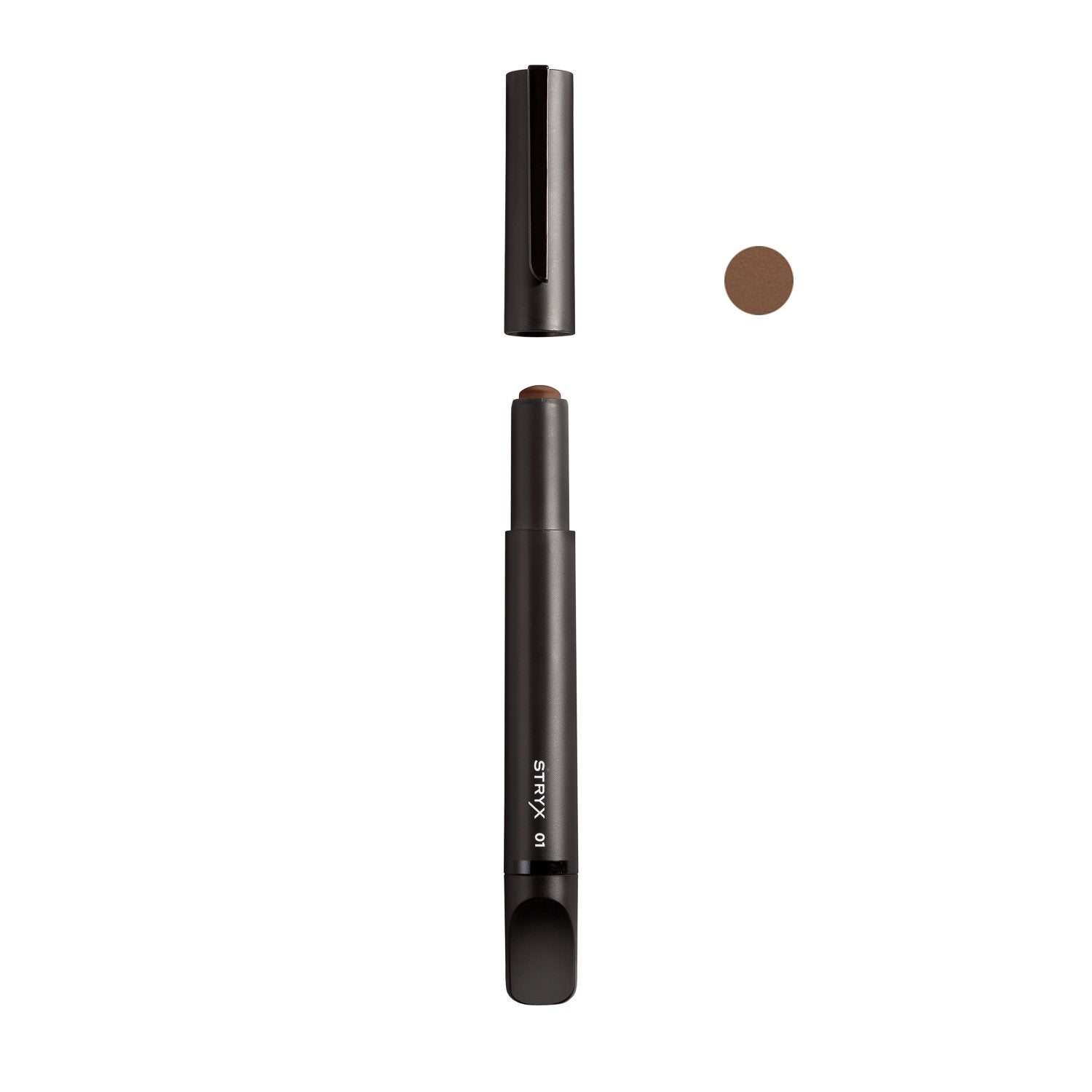
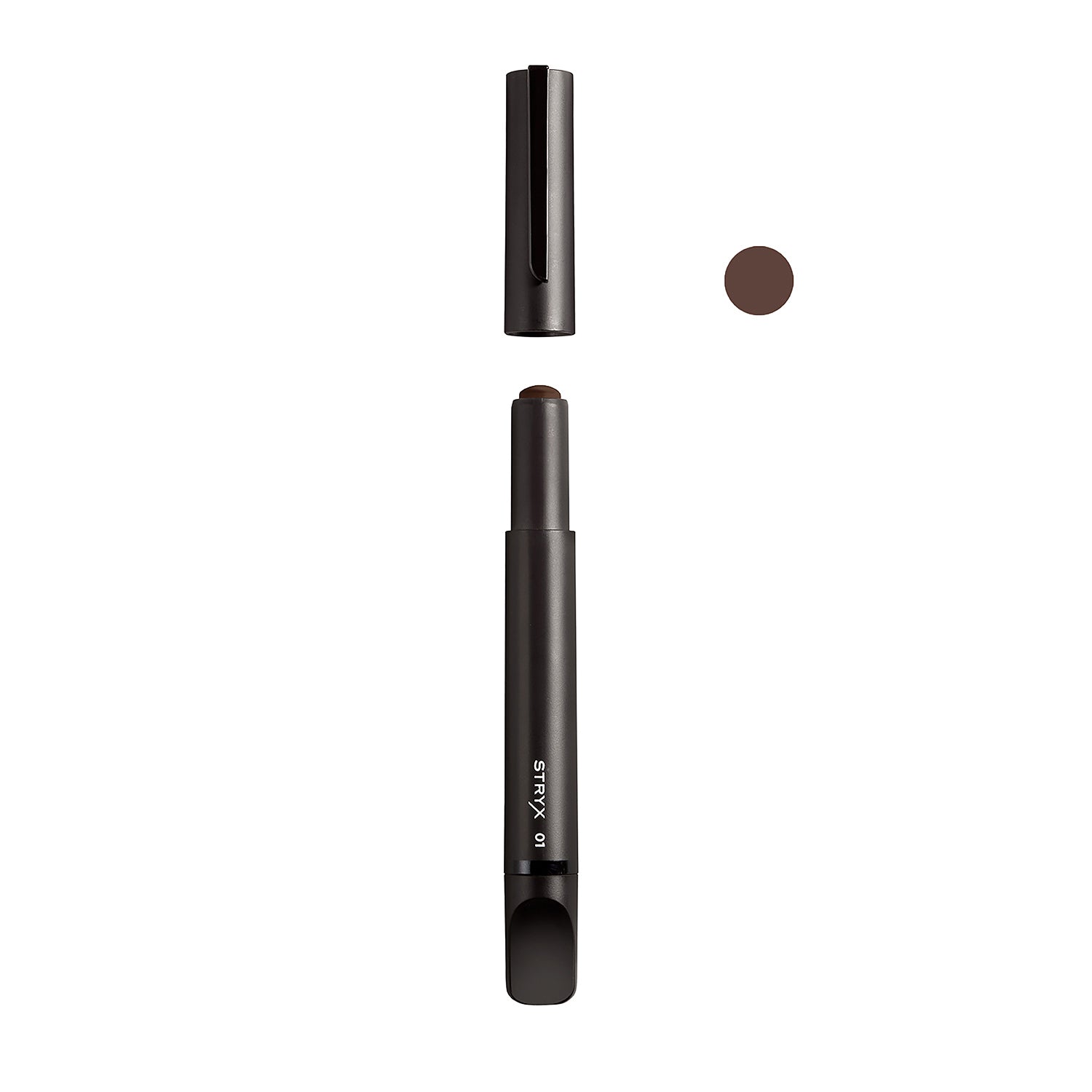
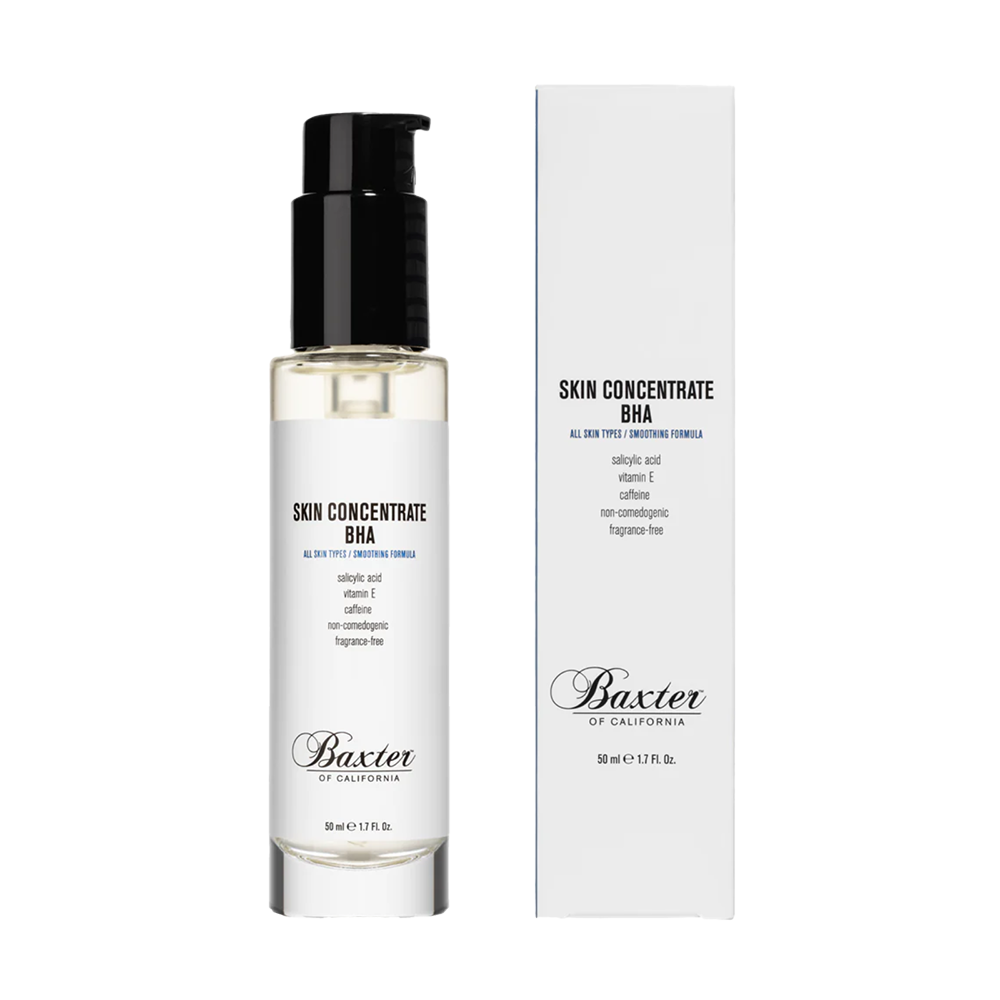
The acne and blemish products in our range work across the key mechanisms of acne formation: salicylic acid and BHAs that penetrate and clear congested pores, benzoyl peroxide that kills acne-causing bacteria, niacinamide that regulates sebum production and reduces redness, and targeted spot treatments for active breakouts. We stock formulas from Anthony, MenScience, and Baxter of California among others — brands that approach acne treatment as a skin health matter rather than a cosmetic one. Free delivery across Australia on orders over $50.
Frequently Asked Questions
What causes acne in adult men?
Adult male acne is typically caused by a combination of excess sebum production (driven by androgens), the presence of Cutibacterium acnes bacteria in the follicle, and follicular hyperkeratinisation — the abnormal buildup of dead skin cells that blocks the pore. Contributing factors include stress (which elevates cortisol and increases sebum production), diet (high glycaemic index foods and dairy have the strongest evidence linking them to acne), shaving irritation, and certain skincare or grooming products that are comedogenic (pore-clogging).
What is the best ingredient for treating acne in men?
Salicylic acid (BHA) is the most versatile and widely effective ingredient for male acne — it is oil-soluble, penetrates into the pore to dissolve the sebum and dead cell congestion that causes blackheads and whiteheads, and has anti-inflammatory properties. Niacinamide regulates sebum production over time and reduces post-acne redness. Benzoyl peroxide is the most effective antibacterial option for inflamed, bacterial acne. For stubborn or cystic acne, prescription retinoids or antibiotics may be necessary — consider consulting a dermatologist.
Can shaving make acne worse?
Yes — shaving across active acne lesions spreads bacteria across the skin, disrupts healing lesions, and causes further follicular irritation. If you have active breakouts, shave with a single-blade razor or safety razor (fewer passes, less irritation than multi-blade cartridges), use a clean blade every time, shave with the grain on the first pass, and use a gentle, non-comedogenic shaving cream. A fragrance-free aftershave balm with anti-inflammatory ingredients applied post-shave helps manage the combined stress of shaving and acne treatment.
How long does it take for acne treatments to work?
Most topical acne treatments require 6–12 weeks of consistent use before their full effect is visible. Improvement is typically gradual — do not judge a product's efficacy after only 2–3 weeks. A common mistake is switching products too quickly when results are not immediate, which prevents any formula from completing a full treatment cycle. Consistency is more important than perfection — applying a good acne treatment 90% of the time consistently outperforms rotating between multiple products sporadically.