Body Scrub + Exfoliators
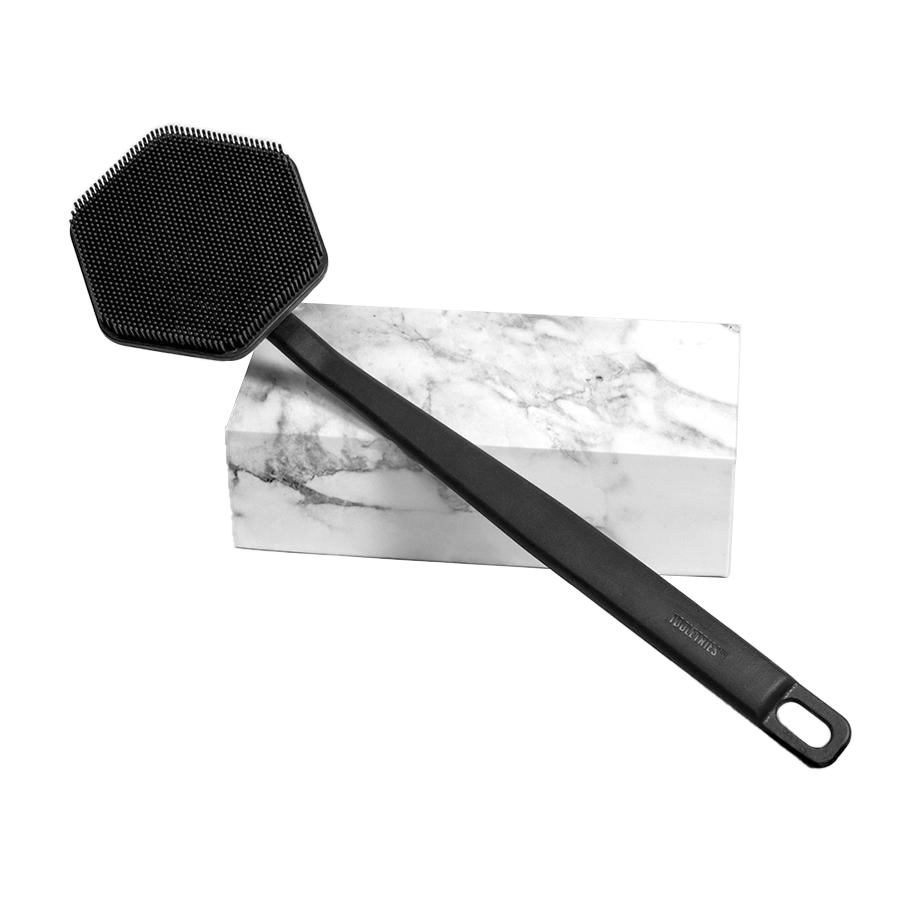
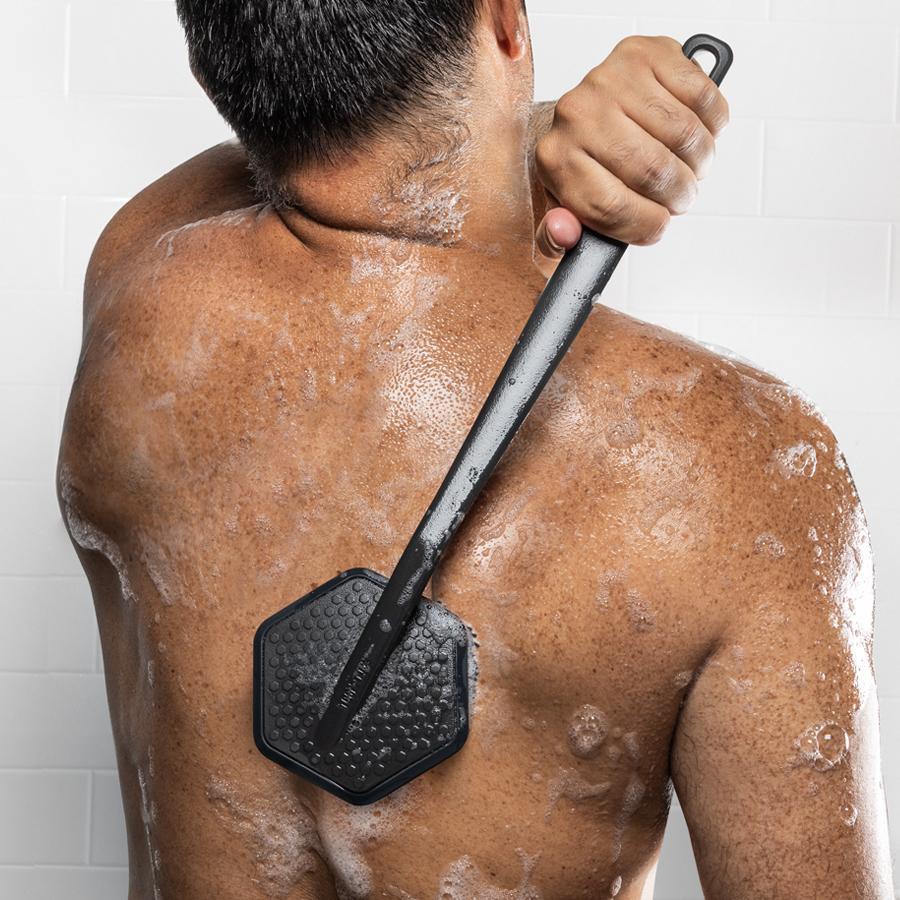
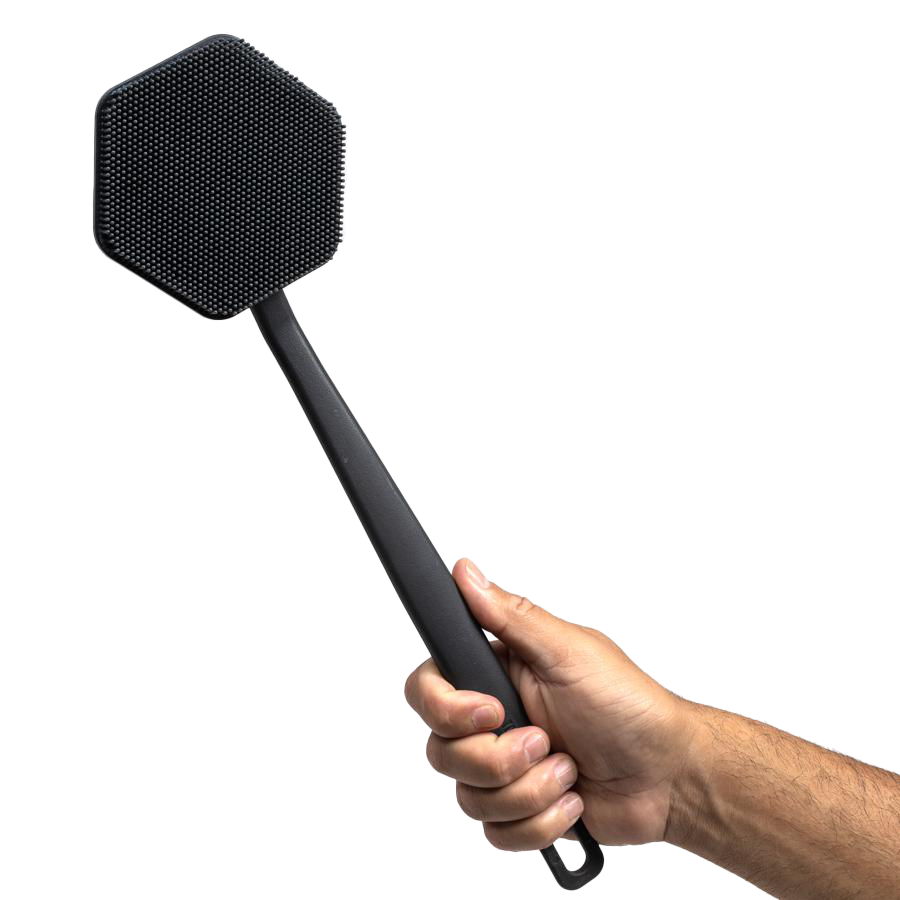
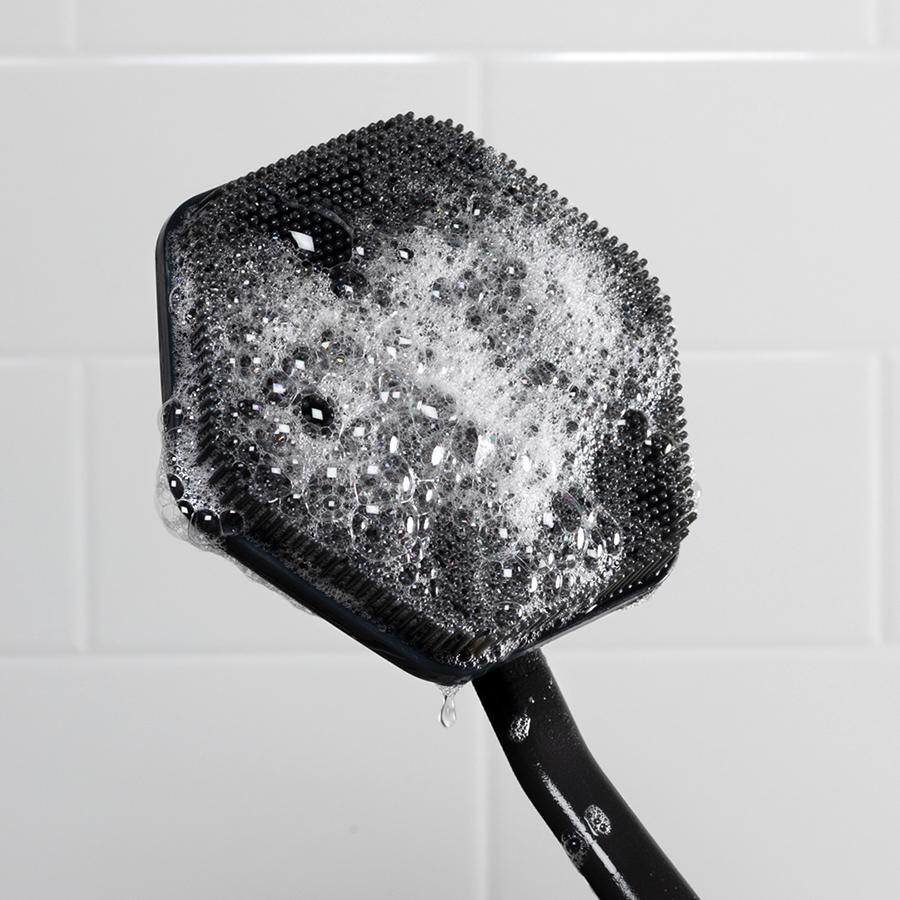
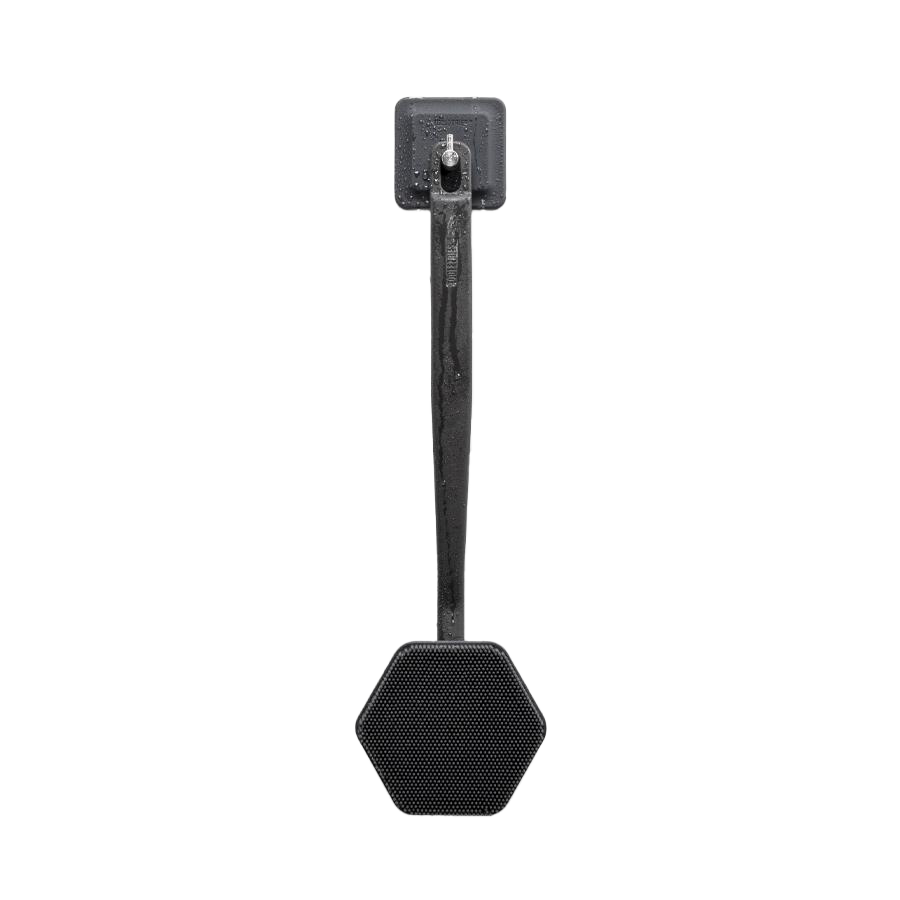
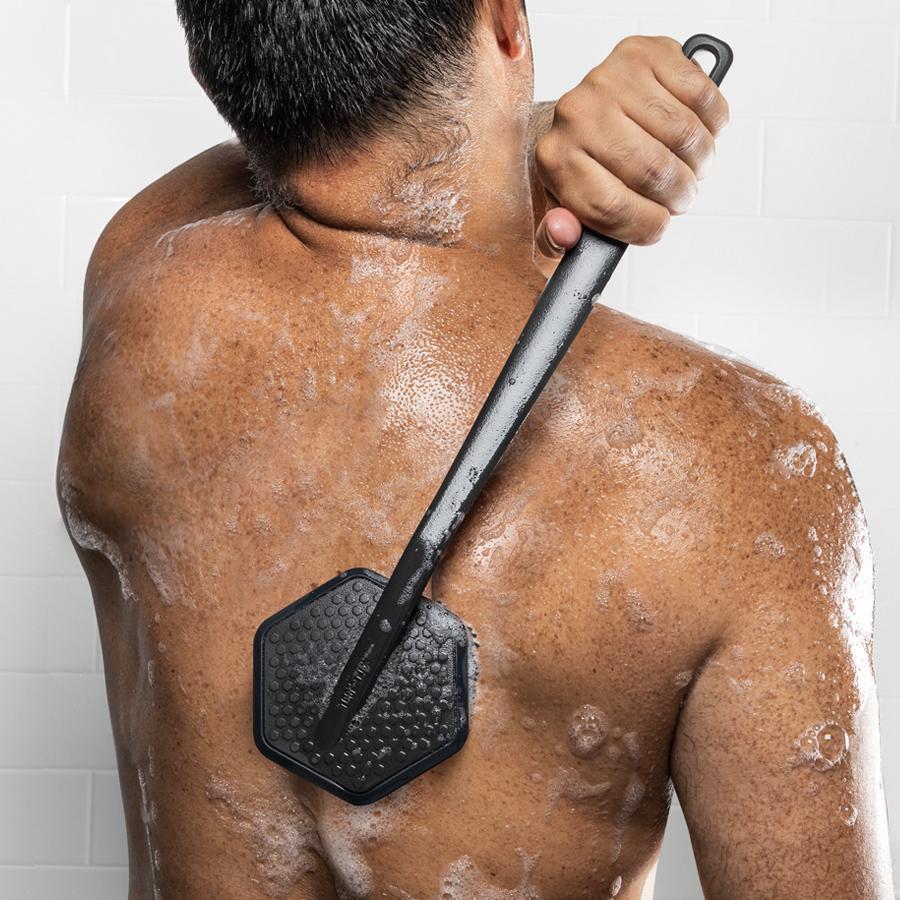
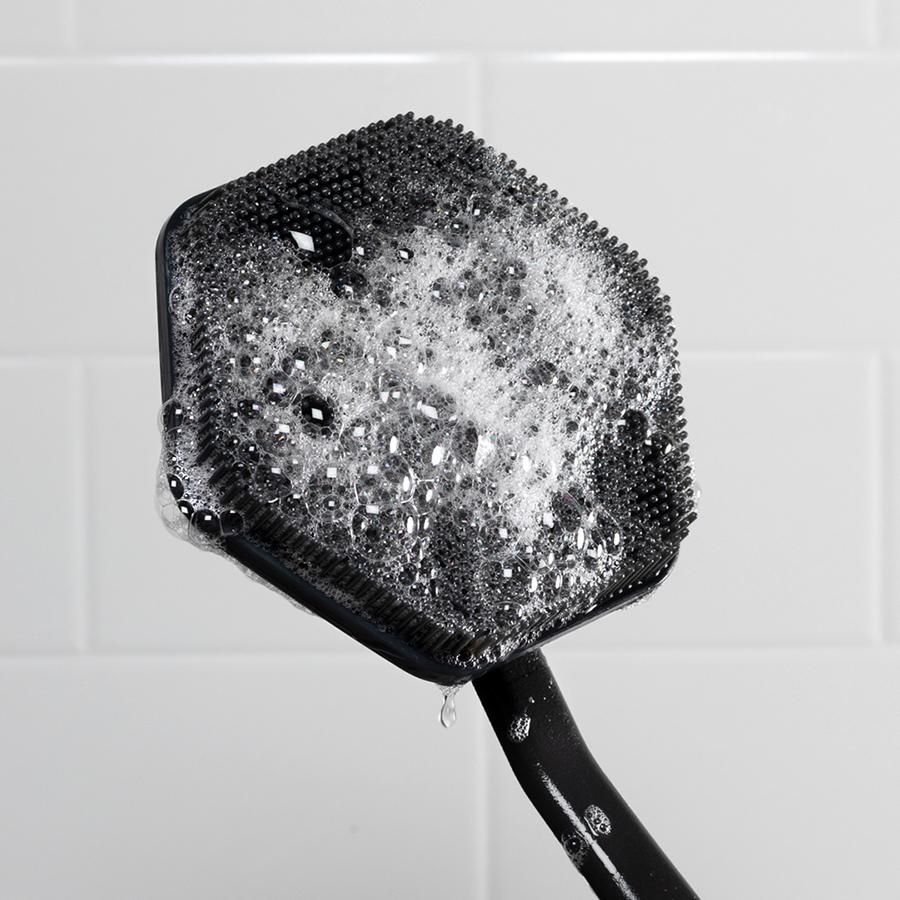
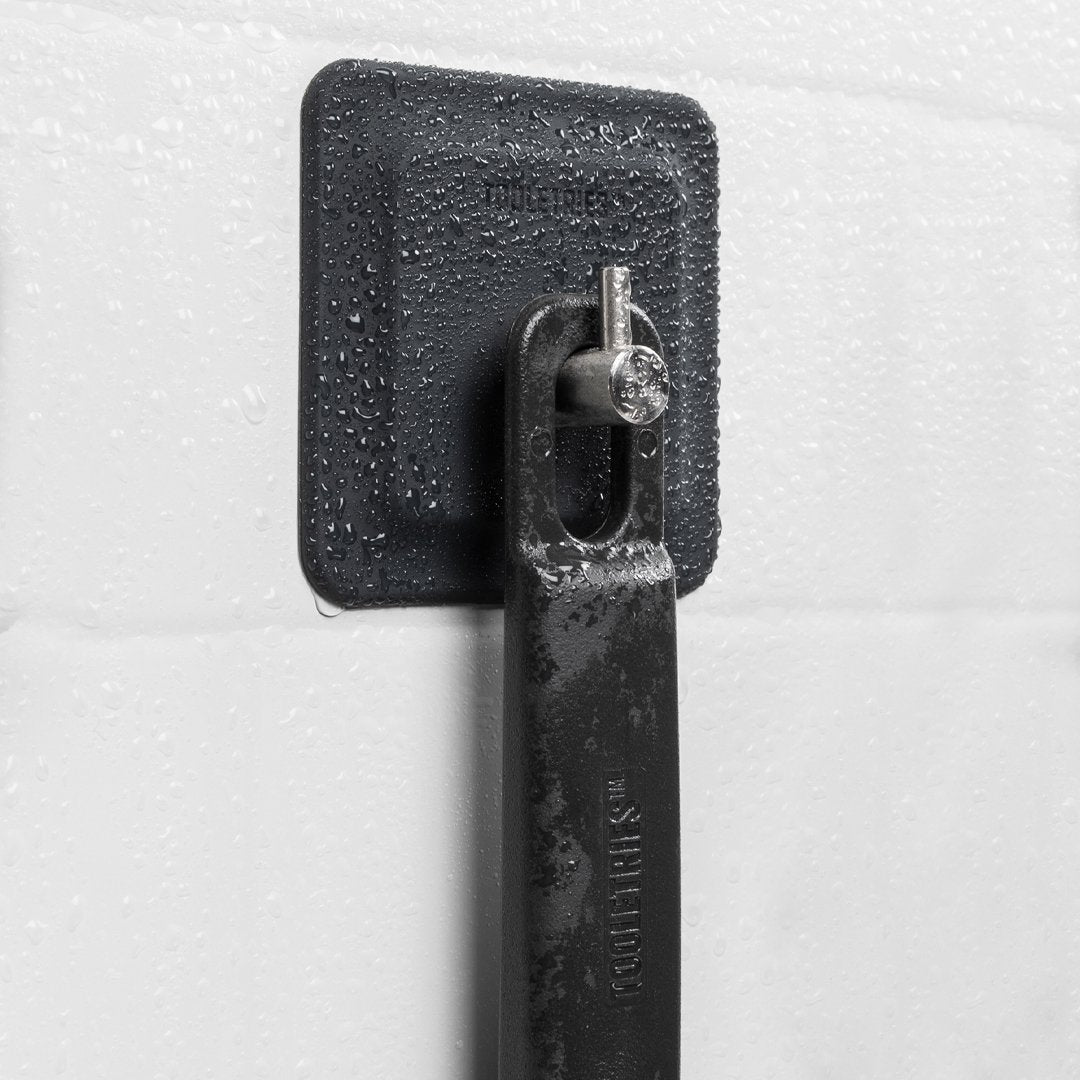
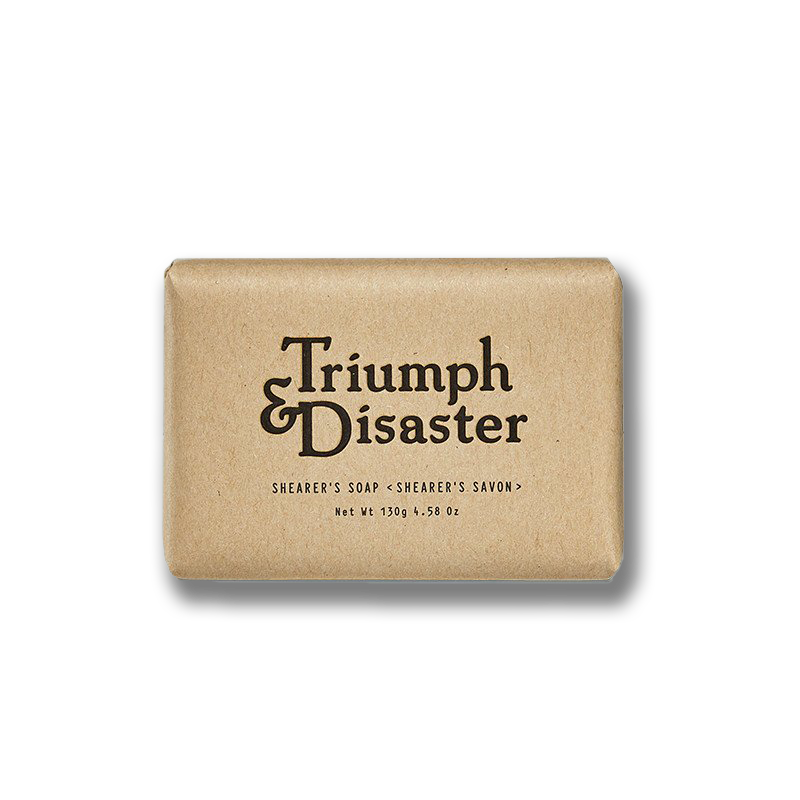
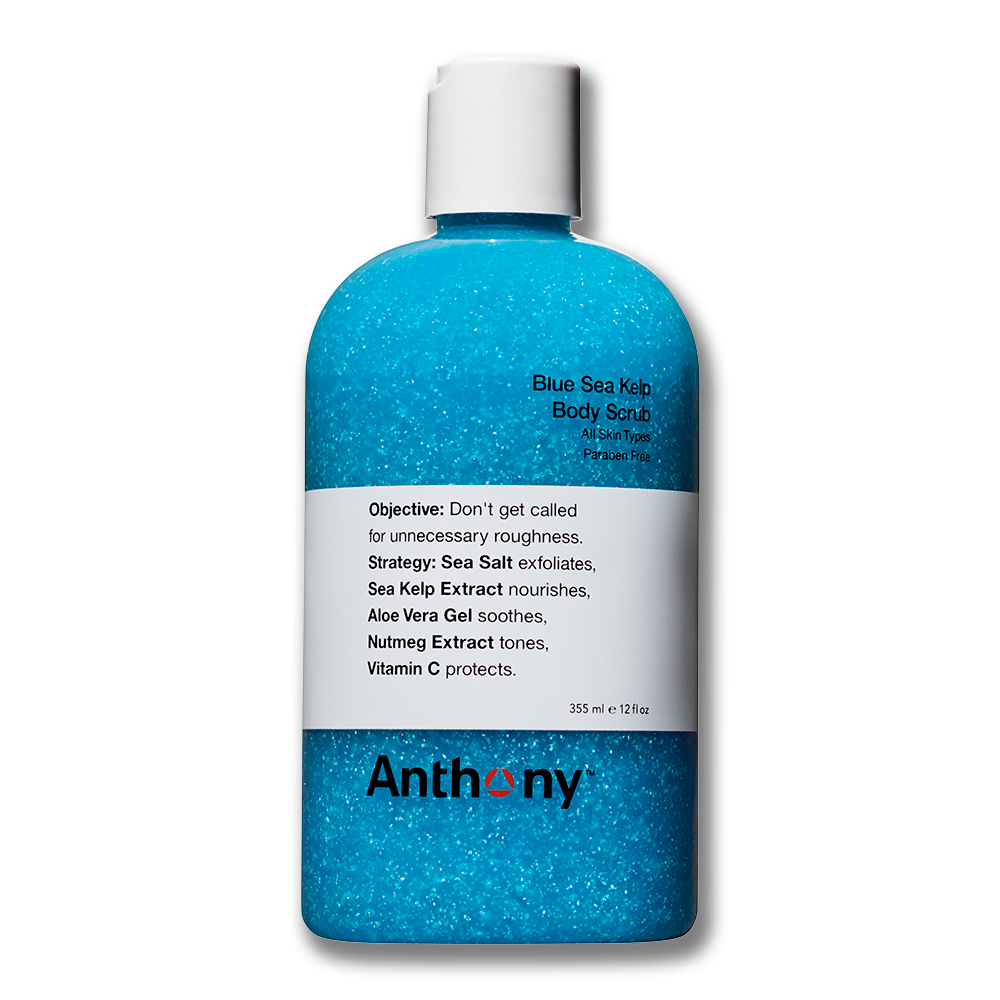
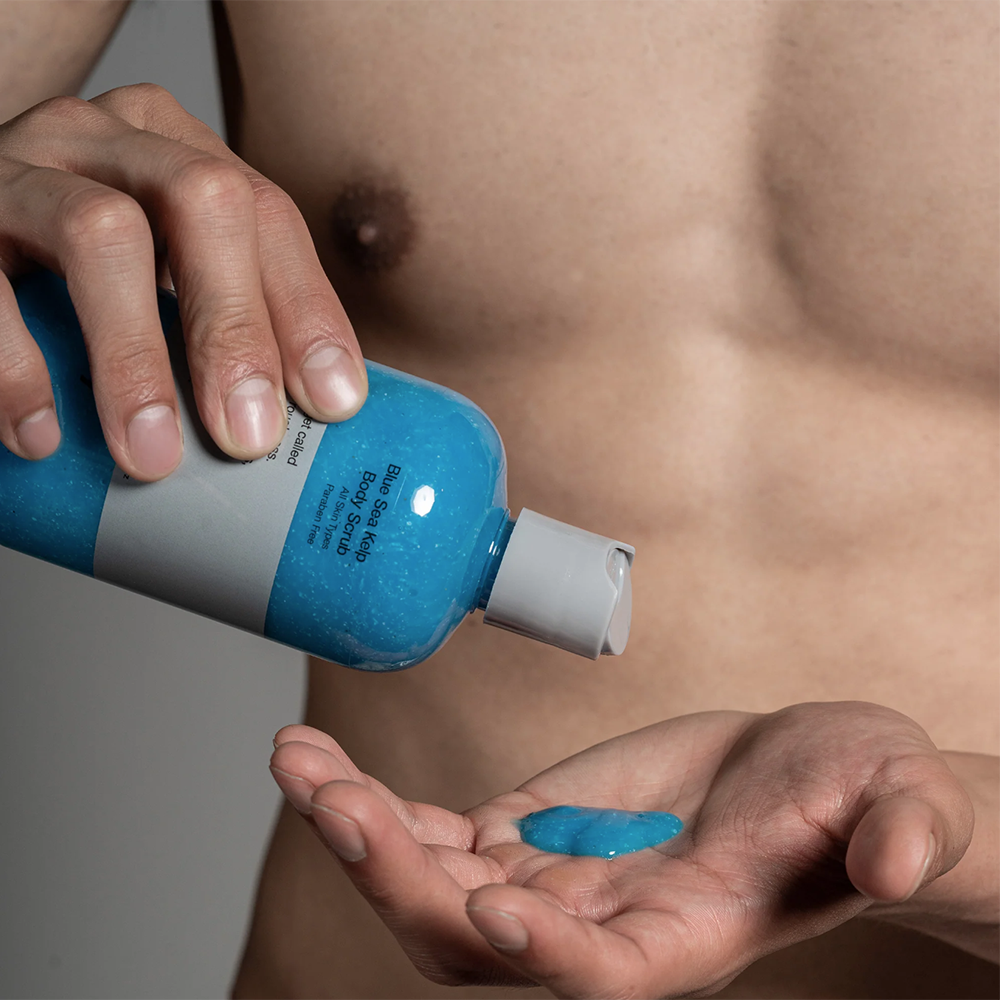
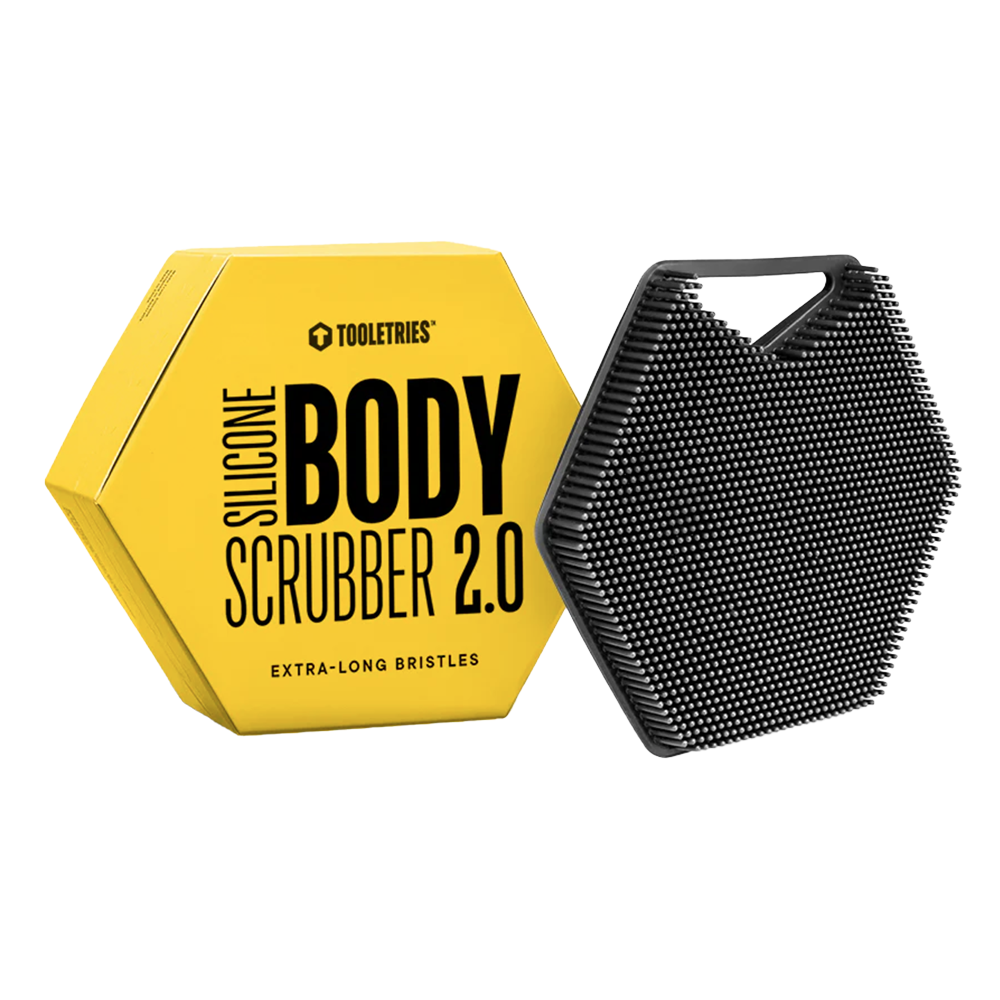
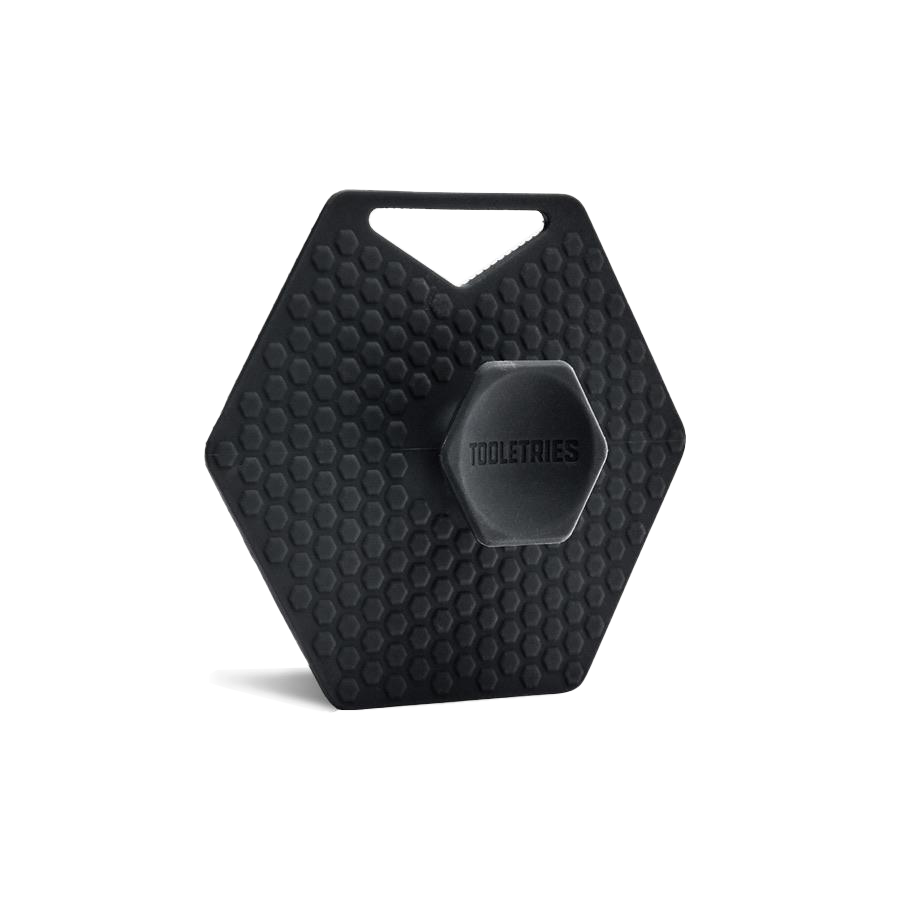
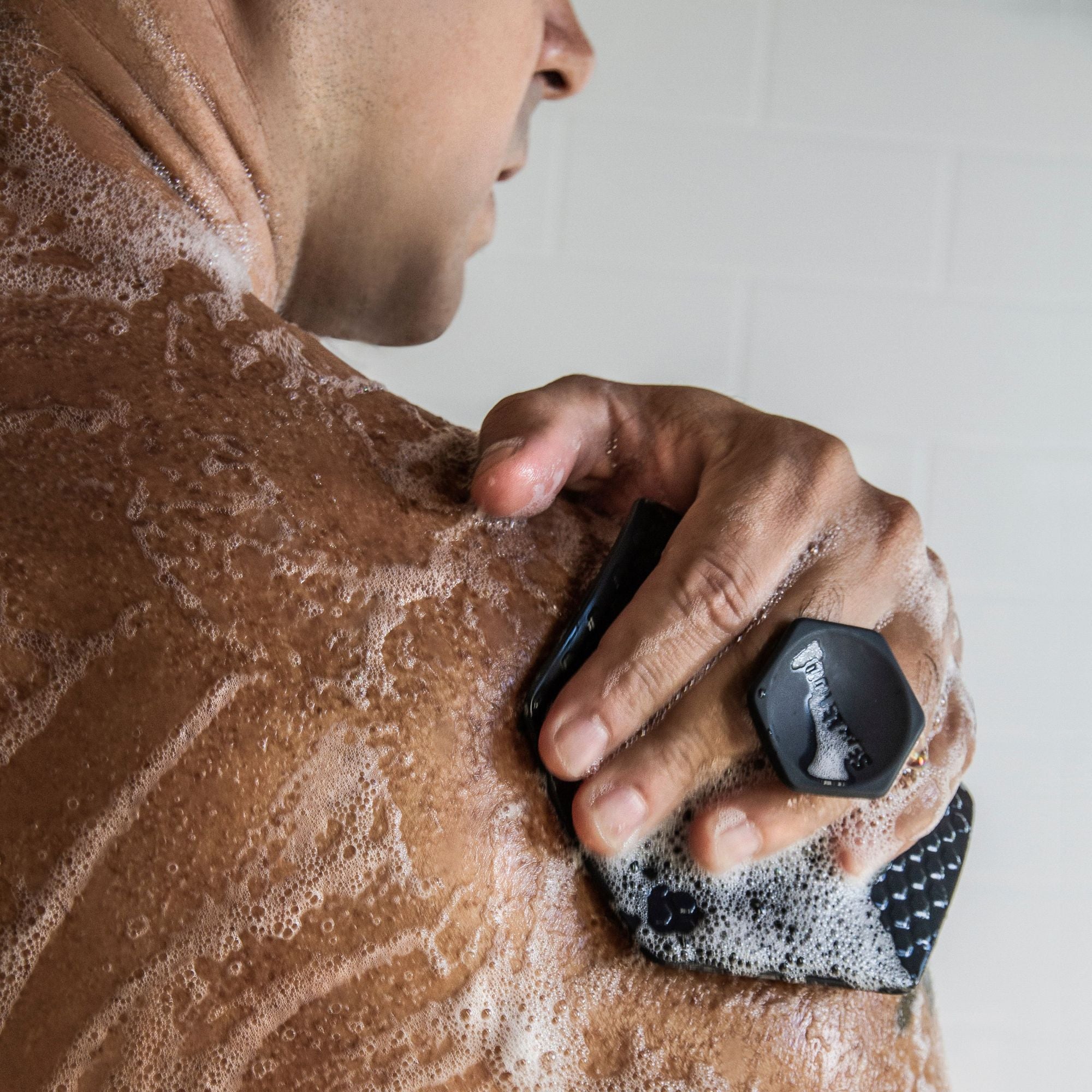


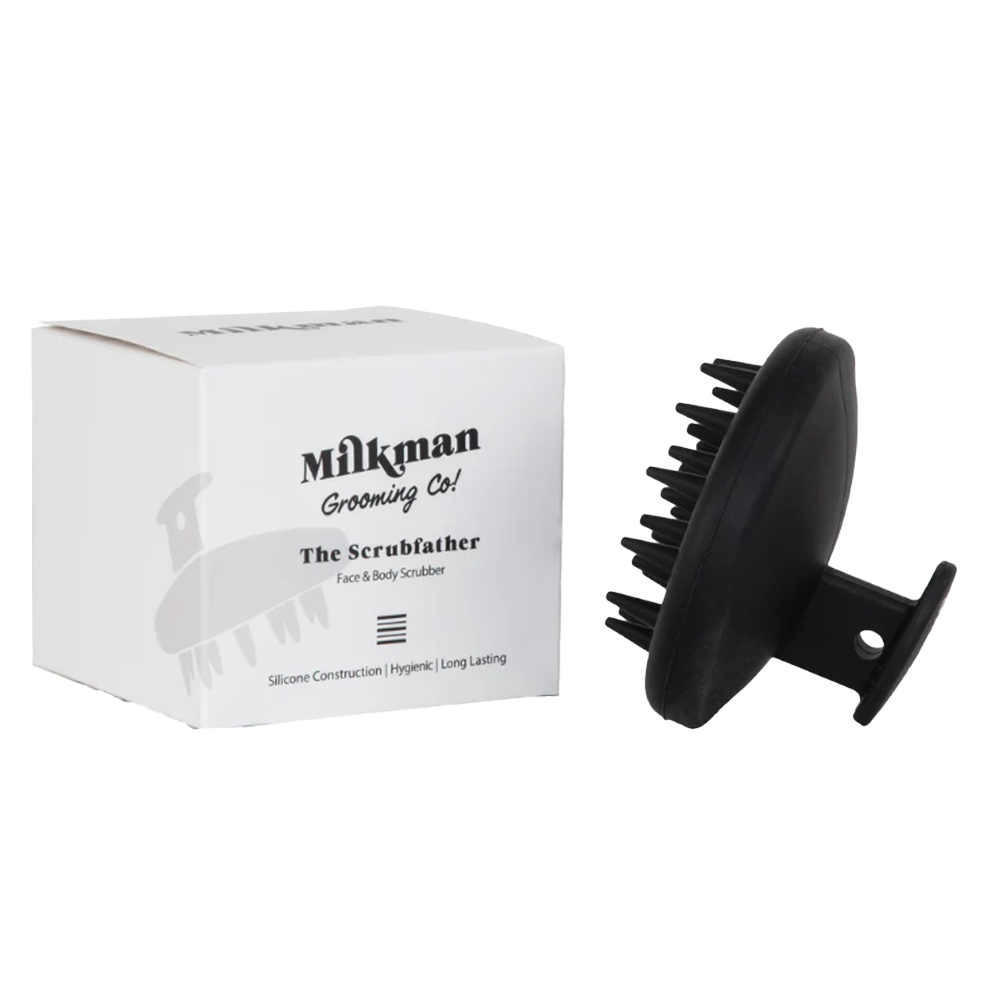
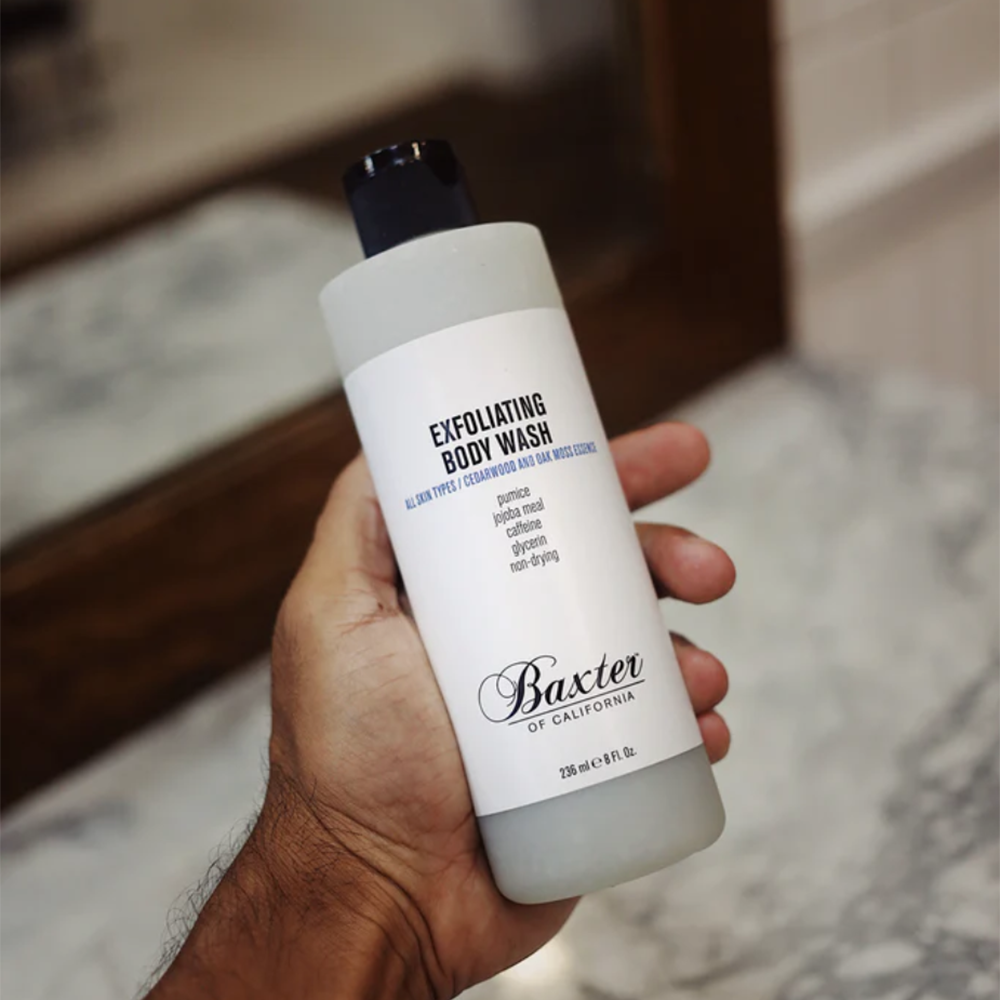
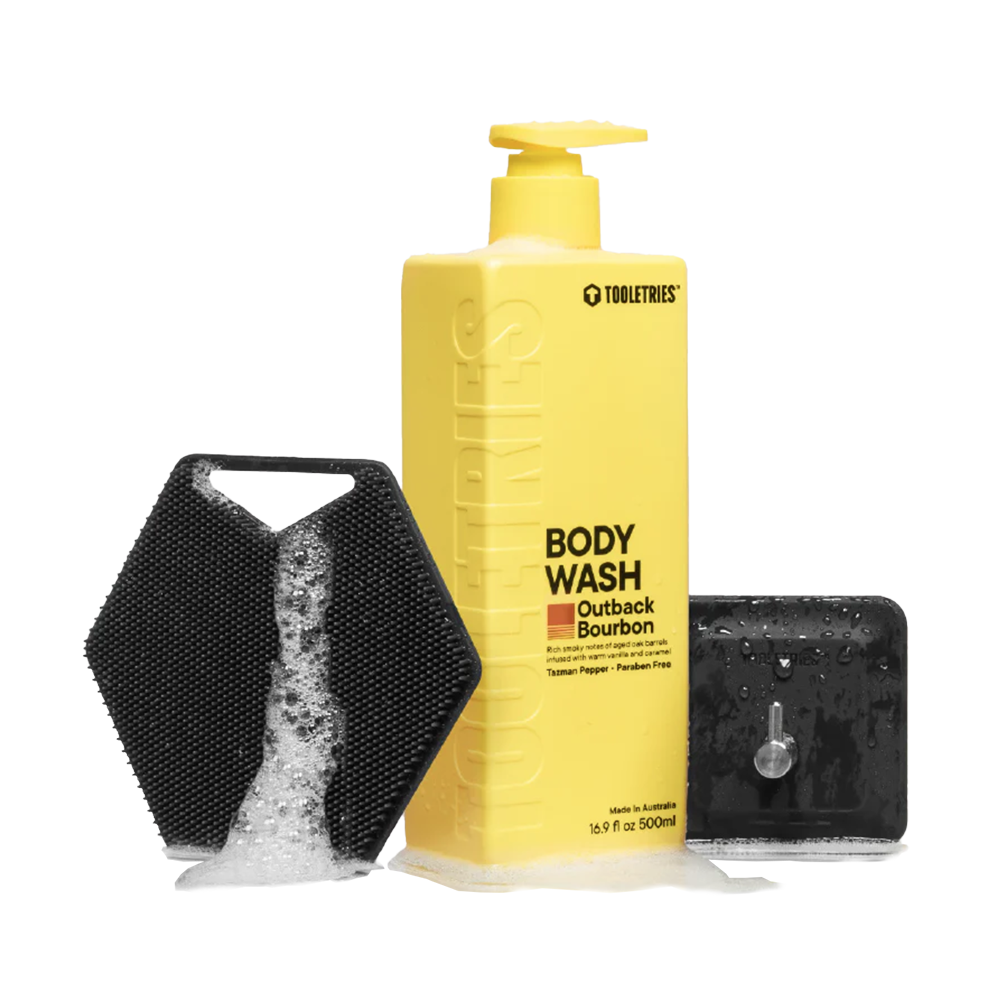
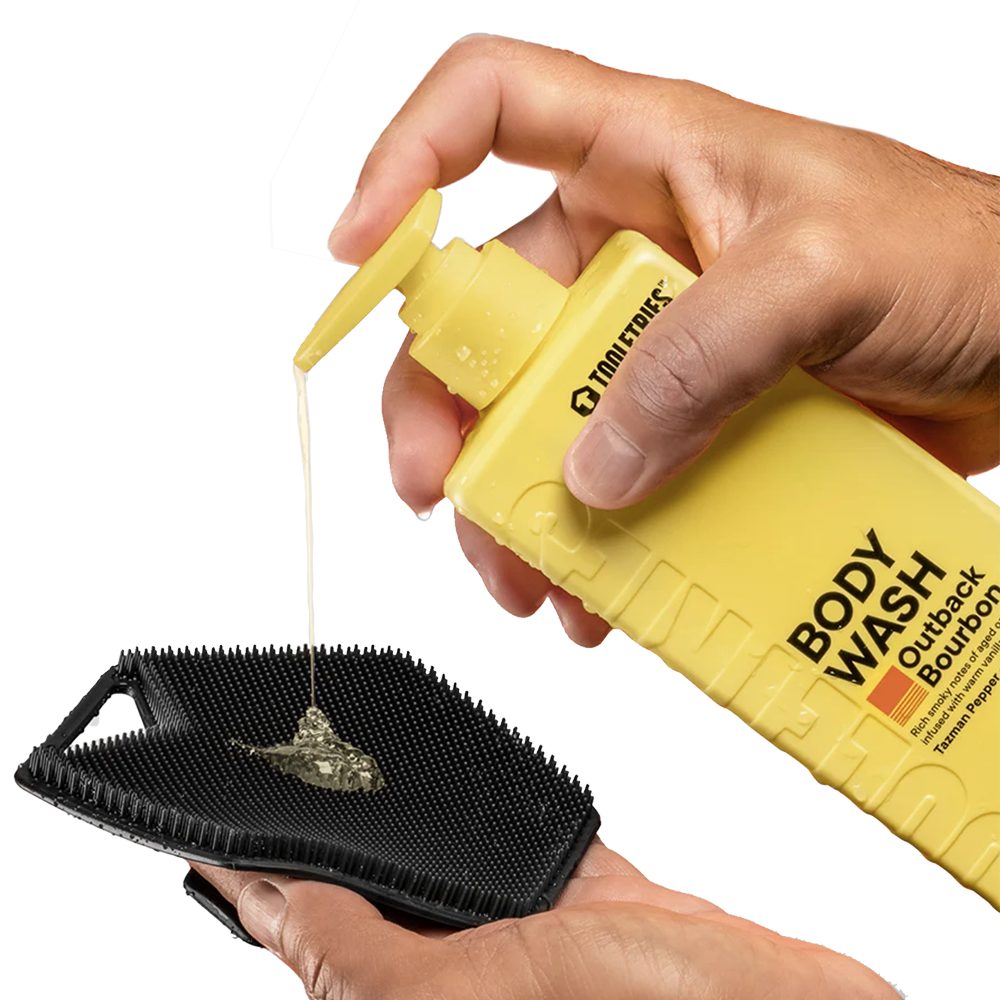
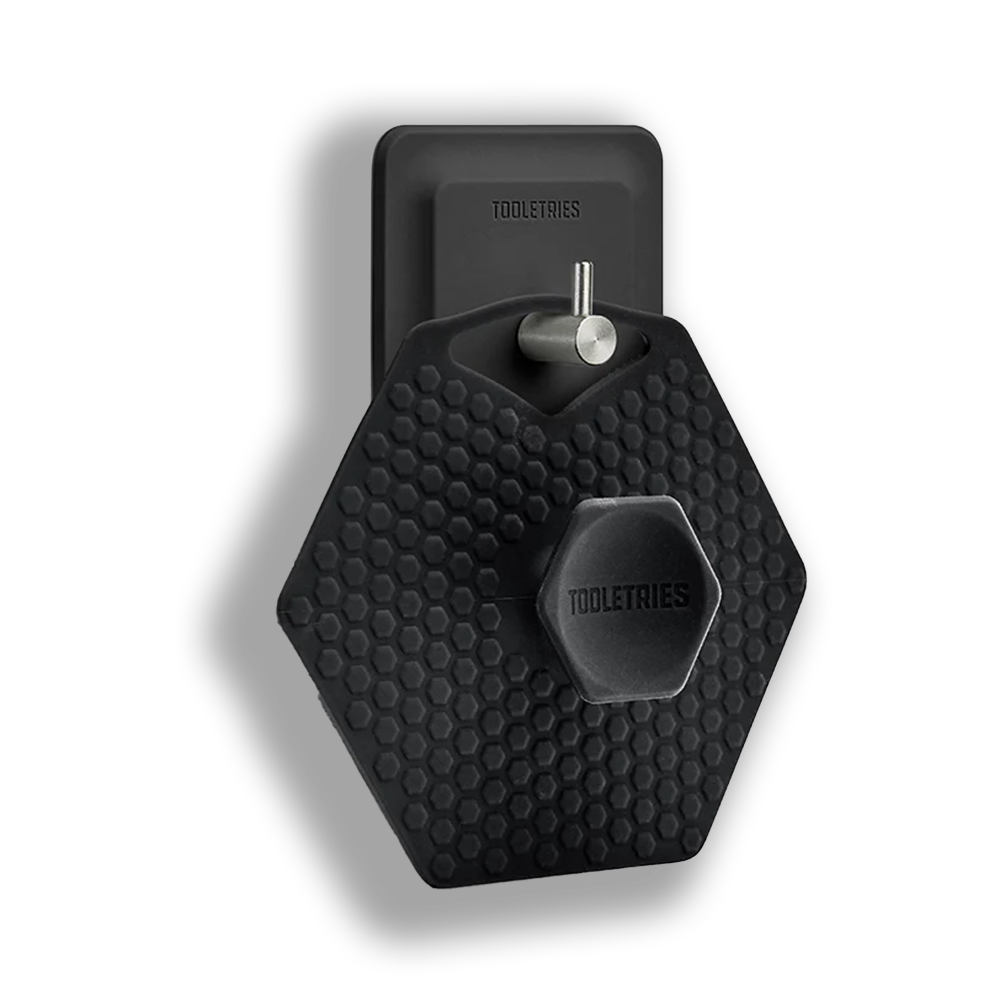
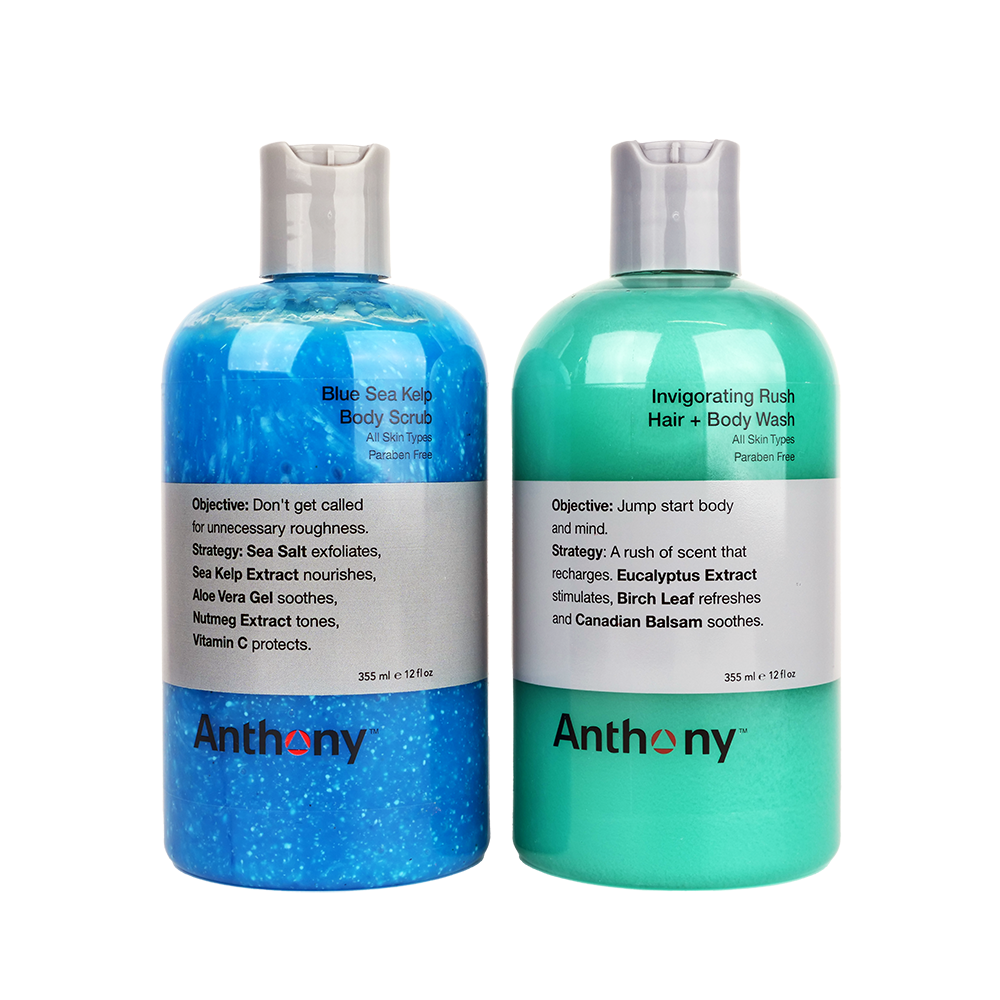
Men's Body Scrub & Exfoliator — Smoother Skin from Head to Toe
Body exfoliation is one of the most overlooked steps in men's grooming — and its absence is often directly responsible for the rough, dry, dull skin texture that no amount of body wash or moisturiser can fully address. Dead skin cells accumulate on the surface of the body over time, creating a layer that blocks moisturisers from absorbing properly, causes the dry, rough patches common on elbows, knees, and shins, contributes to ingrown hairs on the legs and body, and gives the skin a dull, flat appearance. A body scrub used regularly removes this layer, leaving skin noticeably smoother, softer, and more responsive to everything applied afterwards.
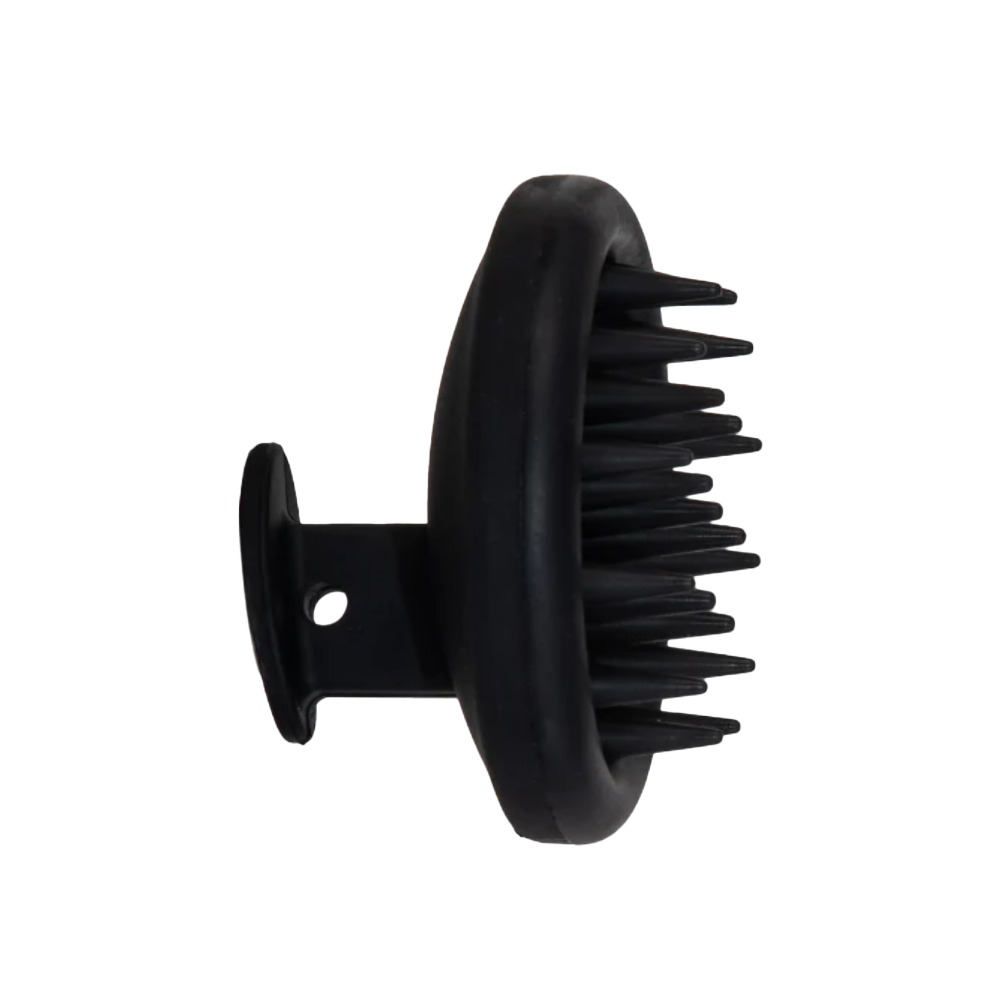
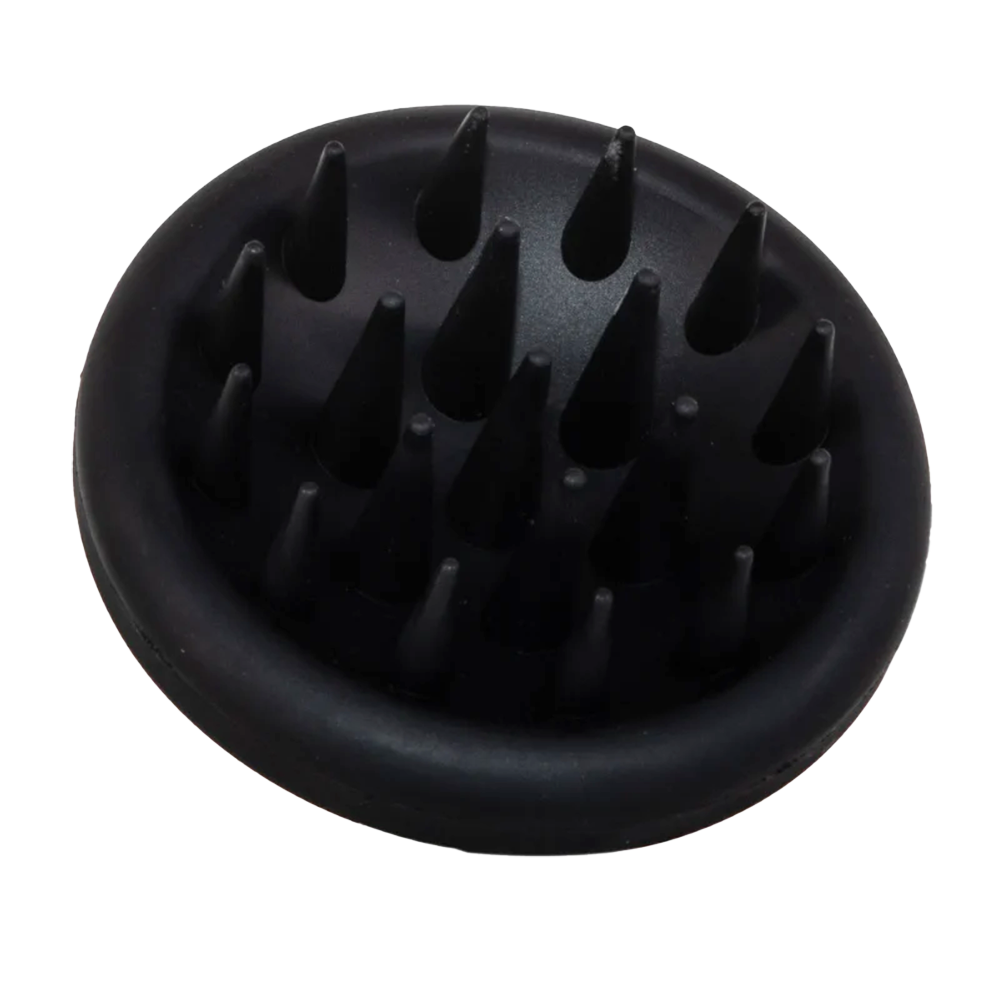
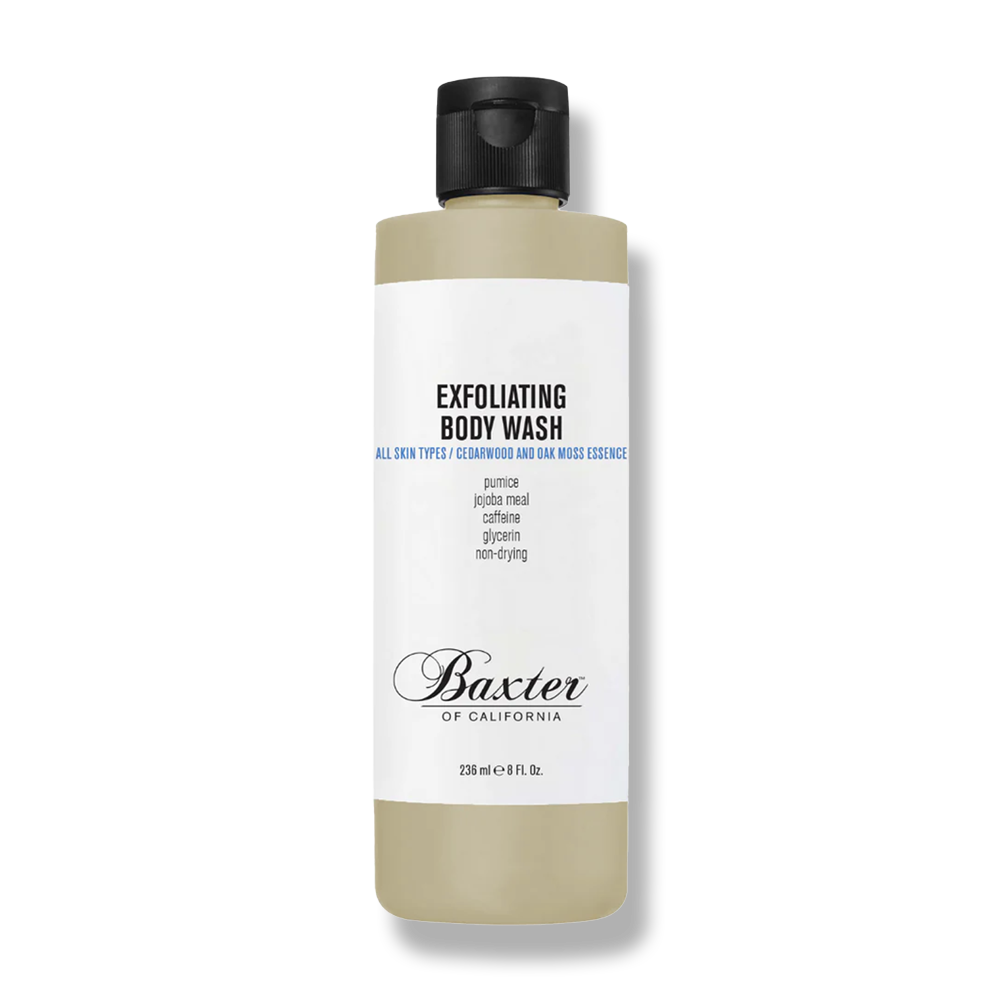
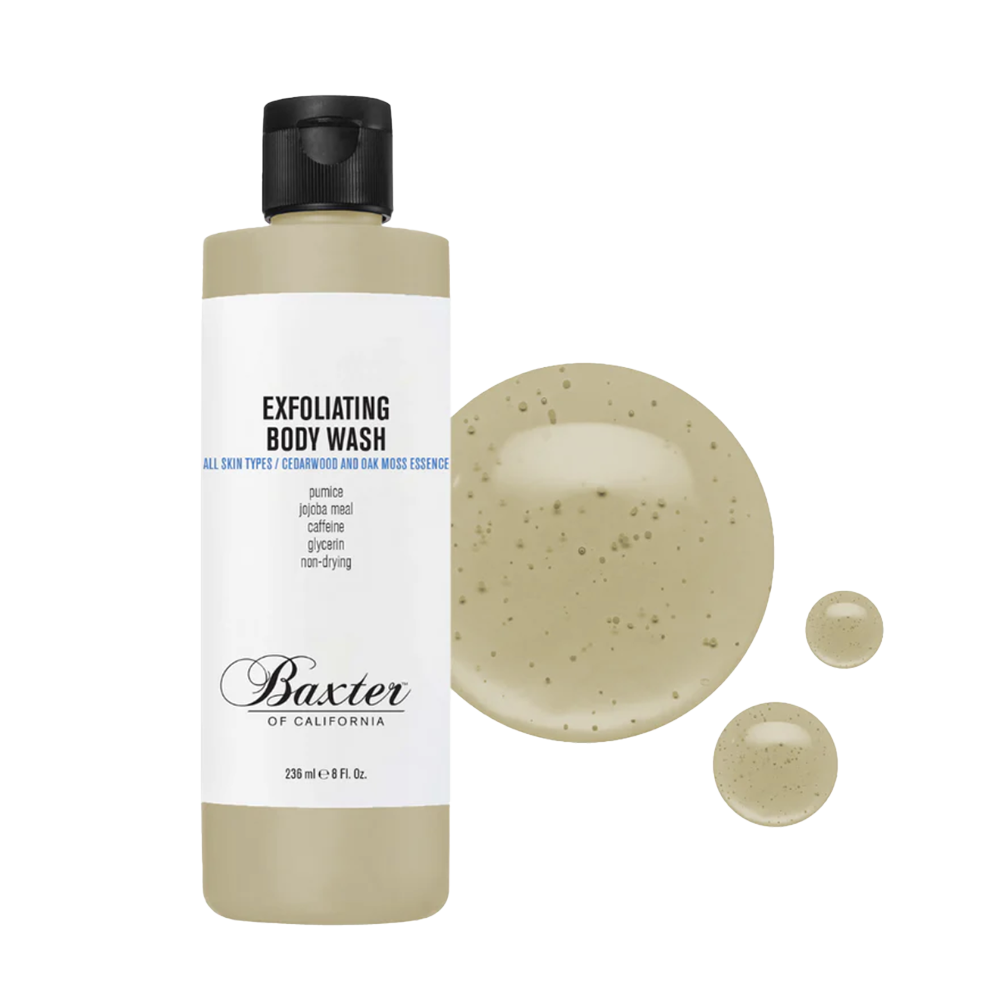
Body scrubs use physical exfoliants — salt, sugar, ground walnut, pumice, or synthetic micro-particles — to manually buff away dead skin cells through the mechanical action of rubbing. Used in the shower on damp skin, they work quickly and the results are immediately apparent. Our range includes invigorating scrubs for men who want an energising shower experience, gentler formulas for sensitive or easily-irritated skin, and targeted options for body areas prone to roughness and ingrown hairs. Free delivery across Australia on orders over $50.
Frequently Asked Questions
How often should men use a body scrub?
2–3 times per week is the standard recommendation for most men and most body areas. Over-exfoliating — daily scrubbing — can cause micro-tears in the skin surface, increase sensitivity, and disrupt the skin's moisture barrier in the same way that over-exfoliating the face does. For areas of particularly rough or thickened skin — elbows, heels, knees — more frequent use is appropriate, as the skin in these areas is thicker and more resilient. For sensitive or easily-irritated skin, once a week is a sufficient and safe starting frequency.
Should I use a body scrub before or after washing?
Apply a body scrub to damp skin after wetting in the shower but before washing with body wash — the scrub works on clean-ish but not fully cleansed skin, and the subsequent body wash rinses away the scrub residue and any loosened dead skin cells. Applying scrub to dry skin significantly increases abrasion and is not recommended. Applying after body wash reduces the effectiveness of the exfoliant as the skin's surface has already been cleansed and the dead cell layer partially disrupted.
What is the difference between a salt scrub and a sugar scrub?
Salt scrubs typically use larger, coarser crystals that provide more vigorous exfoliation — they are better suited to rough body areas like elbows, heels, and the back. Salt also has mild antiseptic and detoxifying properties. Sugar scrubs use finer, softer crystals that dissolve more quickly in water and provide a gentler exfoliation — better suited to sensitive areas, the chest, and full-body use. Sugar also contains glycolic acid naturally, which provides mild chemical exfoliation alongside the physical effect.
Can body scrub help with ingrown hairs?
Yes — regular exfoliation is one of the most effective preventive measures for body ingrown hairs. Ingrown hairs occur when a hair that has been cut or broken below the skin surface cannot penetrate the dead skin layer above it and curls back into the skin instead. Removing the dead skin layer with a regular body scrub keeps the surface clear and allows hair to grow through normally. For men prone to ingrown hairs on the legs, chest, or back, 2–3 weekly body scrub sessions in combination with a moisturiser applied afterwards significantly reduces occurrence.