Beard Butter
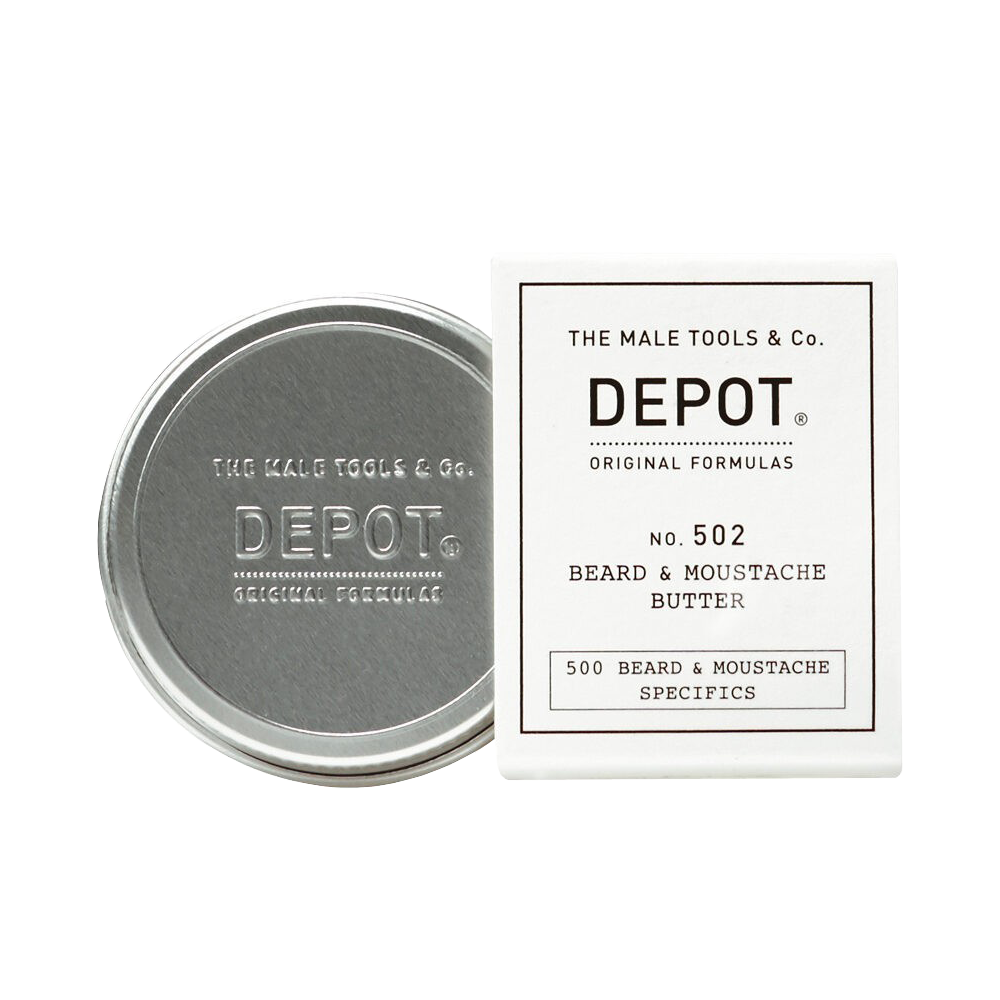
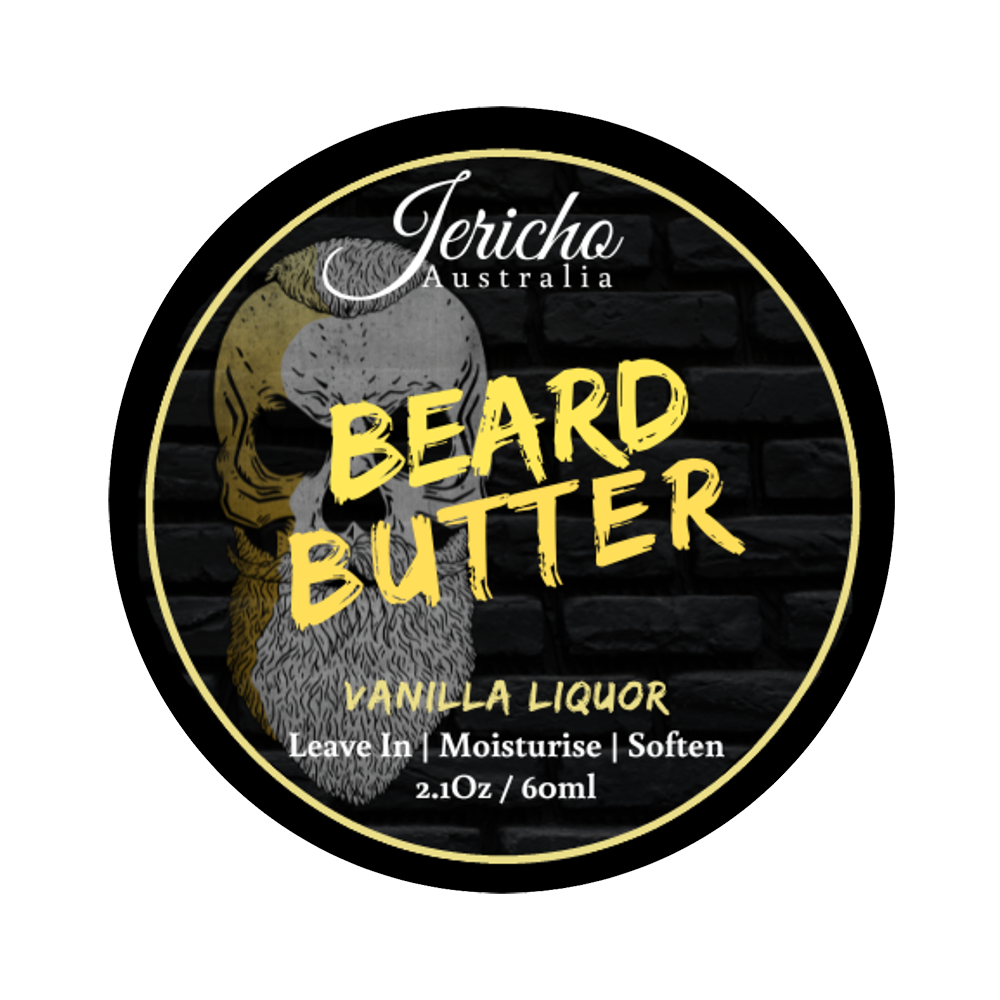
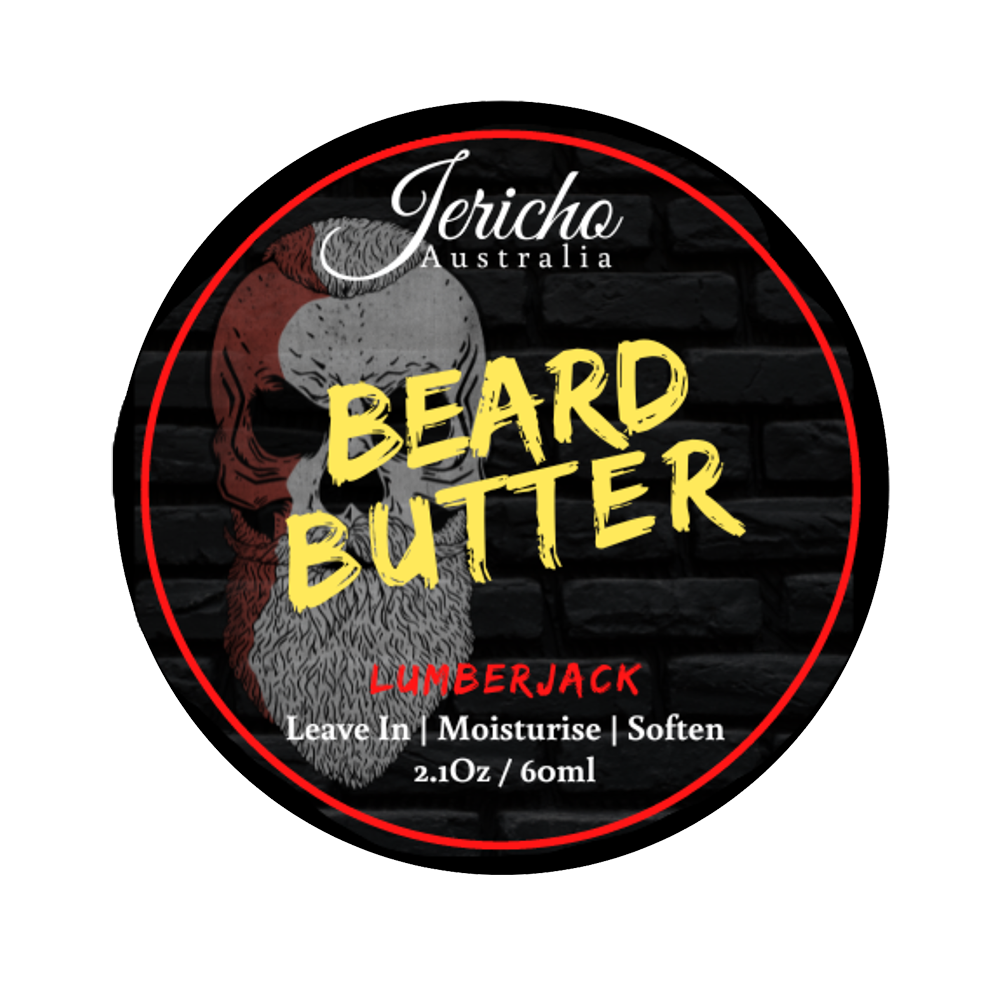
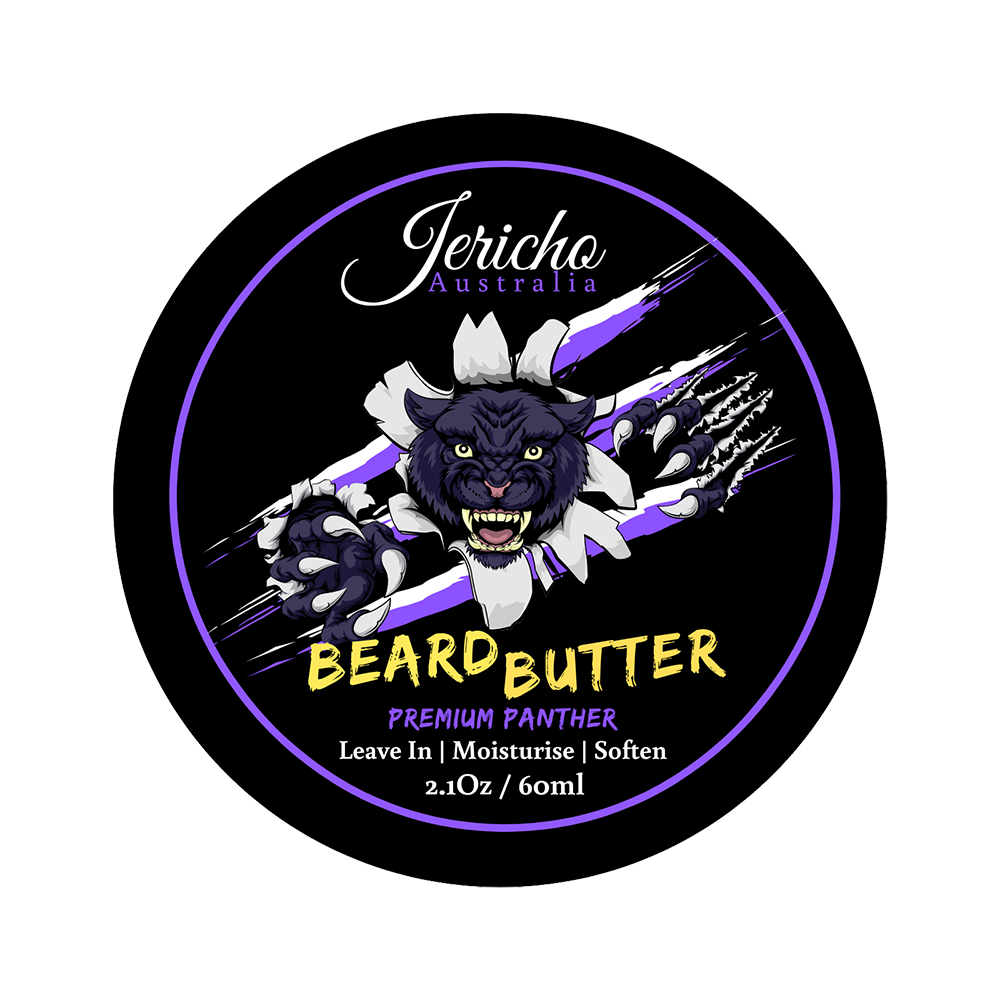
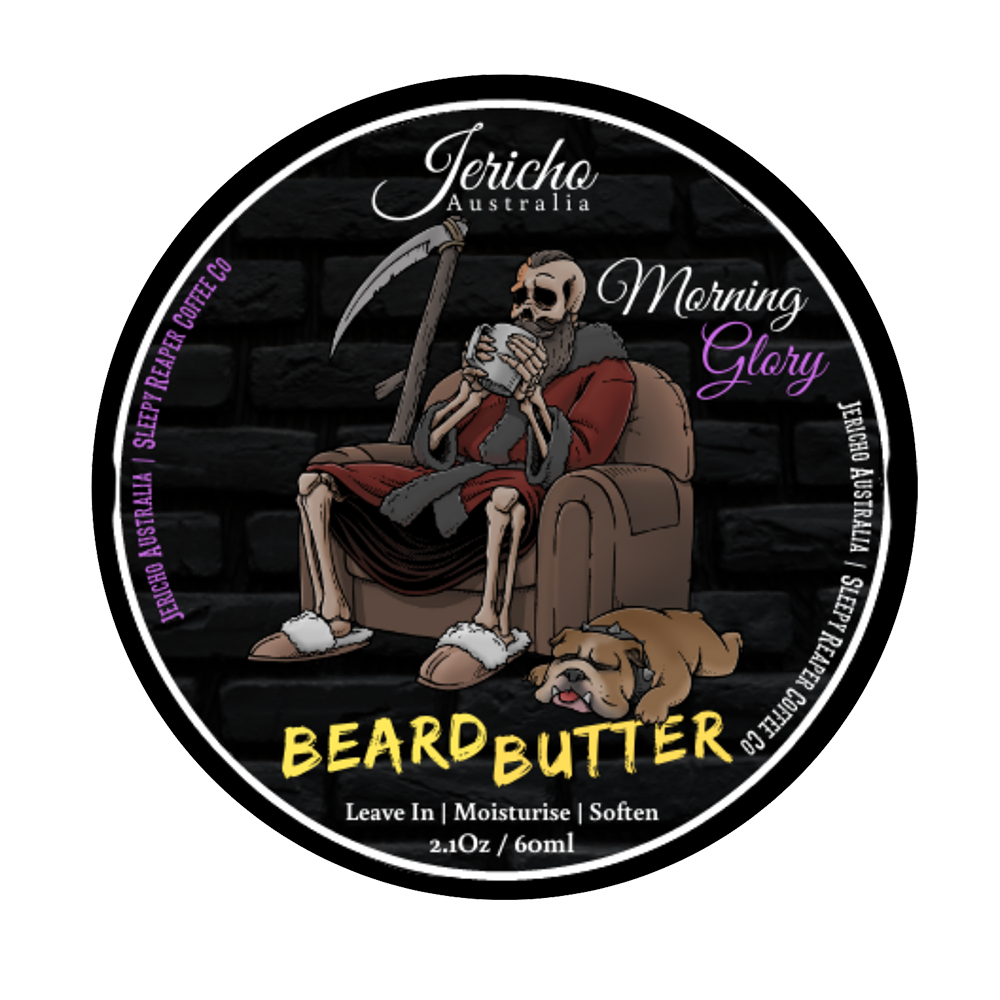
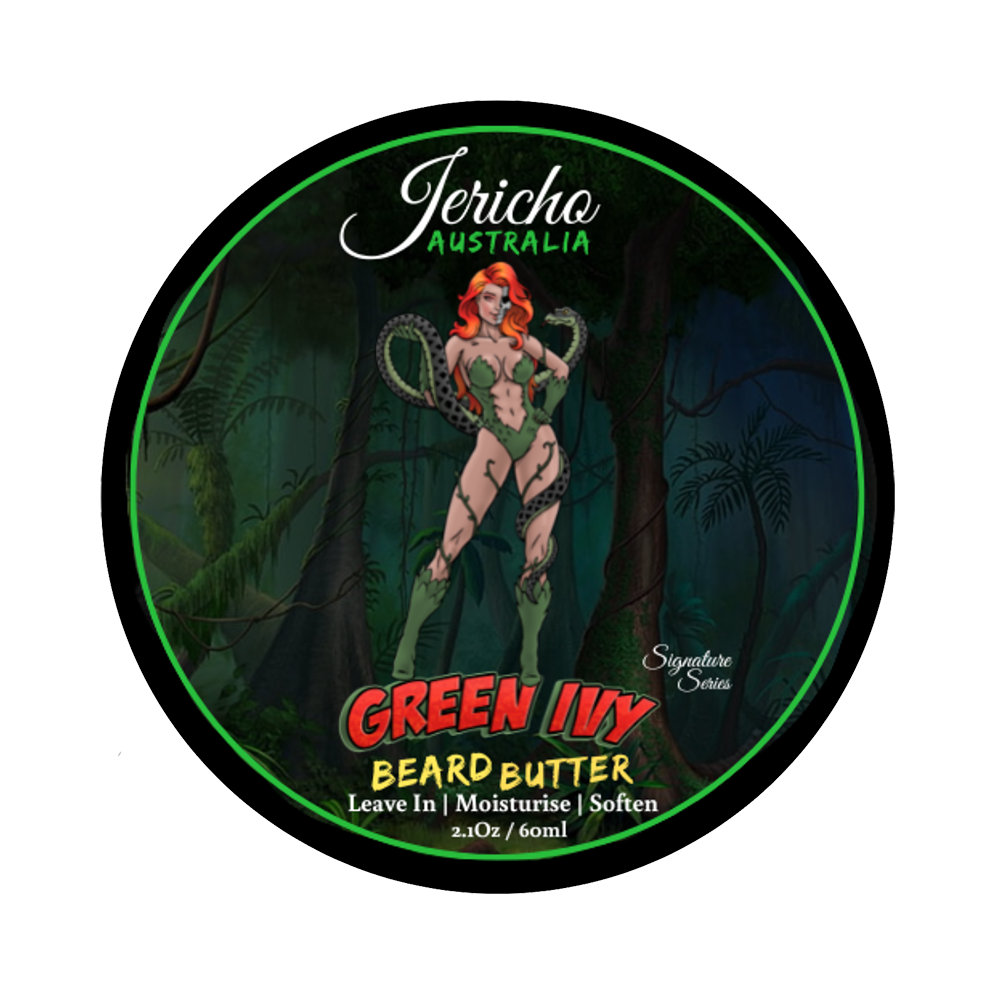
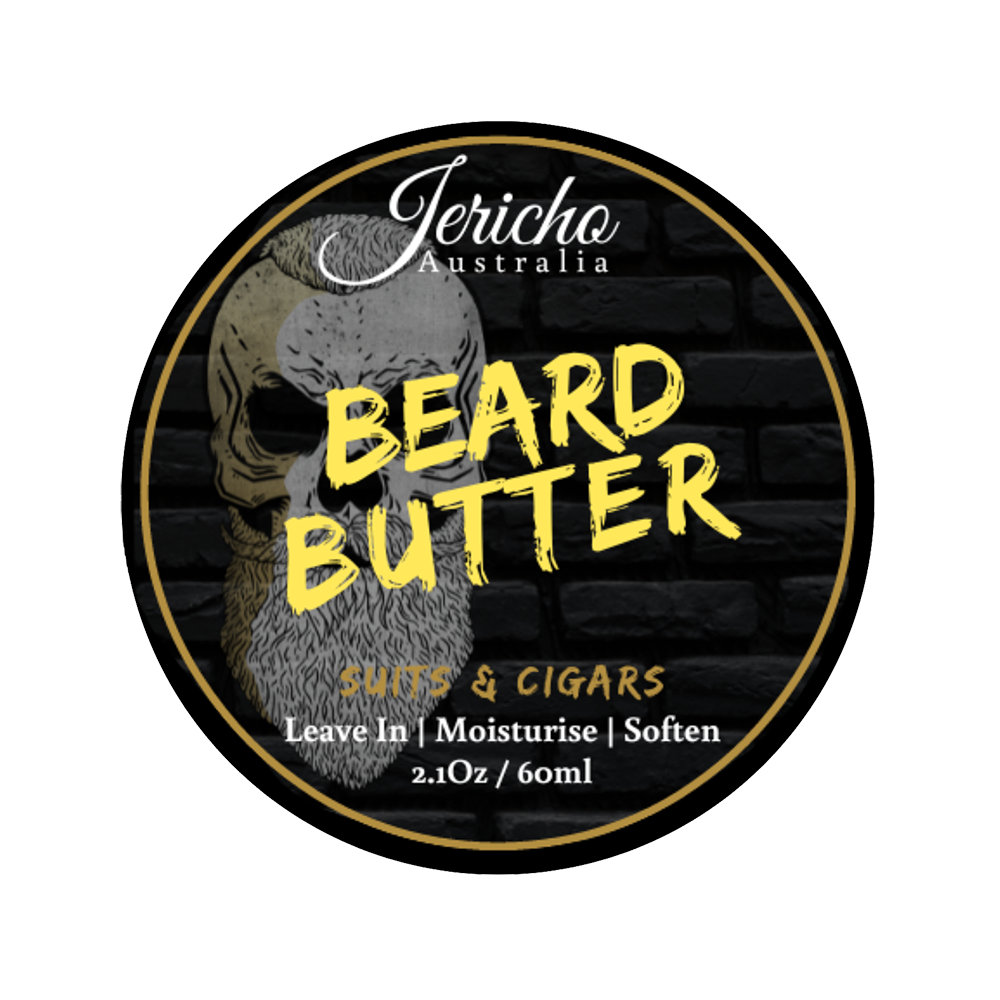
Beard Butter — Deep Conditioning for Seriously Soft Beards
Beard butter occupies a distinct position in the beard care product hierarchy — richer and more intensely conditioning than beard oil, creamier and more focused on softness than beard balm, and closer in function to a leave-in hair treatment than any other beard product. The base of a quality beard butter is typically a blend of natural butters — shea, mango, or cocoa — whipped to a light, creamy consistency that melts on contact with the skin and beard, delivering deep conditioning without the heaviness you might expect from butter-based products. The result is a beard that is genuinely soft to the touch, well-moisturised beneath, and significantly more manageable throughout the day.
Beard butter is particularly well-suited to men with longer, drier, or coarser beards where beard oil alone is not providing sufficient conditioning — particularly during winter, in dry climates, or for men who wash their beard frequently. It can be used alongside beard oil (oil first, butter on top to seal in moisture) or as a standalone conditioning step. The hold component is minimal to none — this is a conditioning product, not a styling one. If you want both conditioning and styling control, a beard balm is the more appropriate choice. Free delivery across Australia on orders over $50.
Frequently Asked Questions
What is the difference between beard butter, beard oil and beard balm?
Beard oil is a lightweight, fast-absorbing formula that conditions both beard hair and the skin beneath — it is the everyday essential for most men. Beard butter is a rich, whipped cream formula focused on deep conditioning of the beard hair itself, with minimal to no hold — it is a treatment product for softer, more manageable beards. Beard balm has a firmer, wax-based consistency that provides light-to-medium hold alongside its conditioning benefits — it is both a conditioner and a styling product. The three are not mutually exclusive — many men use beard oil daily, beard butter on wash days, and beard balm when they want styling control.
Will beard butter make my beard look greasy?
Not when used correctly. Quality beard butters use lightweight butters — shea, mango seed, kokum — that absorb into the beard hair without leaving a heavy, greasy residue. The key is using the right amount: start with a pea-to-dime sized amount depending on beard length, melt completely between your palms, and work thoroughly through the beard from root to tip. Too much product applied at once is the primary cause of a greasy appearance — with beard butter, less is reliably more until you have found your right amount.
When is the best time to apply beard butter?
After washing and lightly towel-drying the beard is the optimal time — the hair cuticle is open from the warm water and the beard is slightly damp, both of which maximise ingredient absorption. Apply beard butter to the damp beard, work it through thoroughly, then allow to absorb before combing or brushing into shape. On non-wash days, beard butter can be applied to a dry beard that has been warmed slightly — splash warm water on the beard or apply after a warm shower to soften the hair before application.
Is beard butter suitable for sensitive skin?
Most beard butters use natural butter and oil bases with minimal synthetic ingredients, making them generally well-tolerated by sensitive skin. However, fragrance — whether synthetic or natural essential oils — is present in most beard butters and is the most common cause of skin sensitivity reactions. Men with very sensitive or reactive skin should look for fragrance-free or unscented beard butter formulas, or perform a patch test on the inner arm before applying to the full beard area.