Deodorant + Antiperspirant
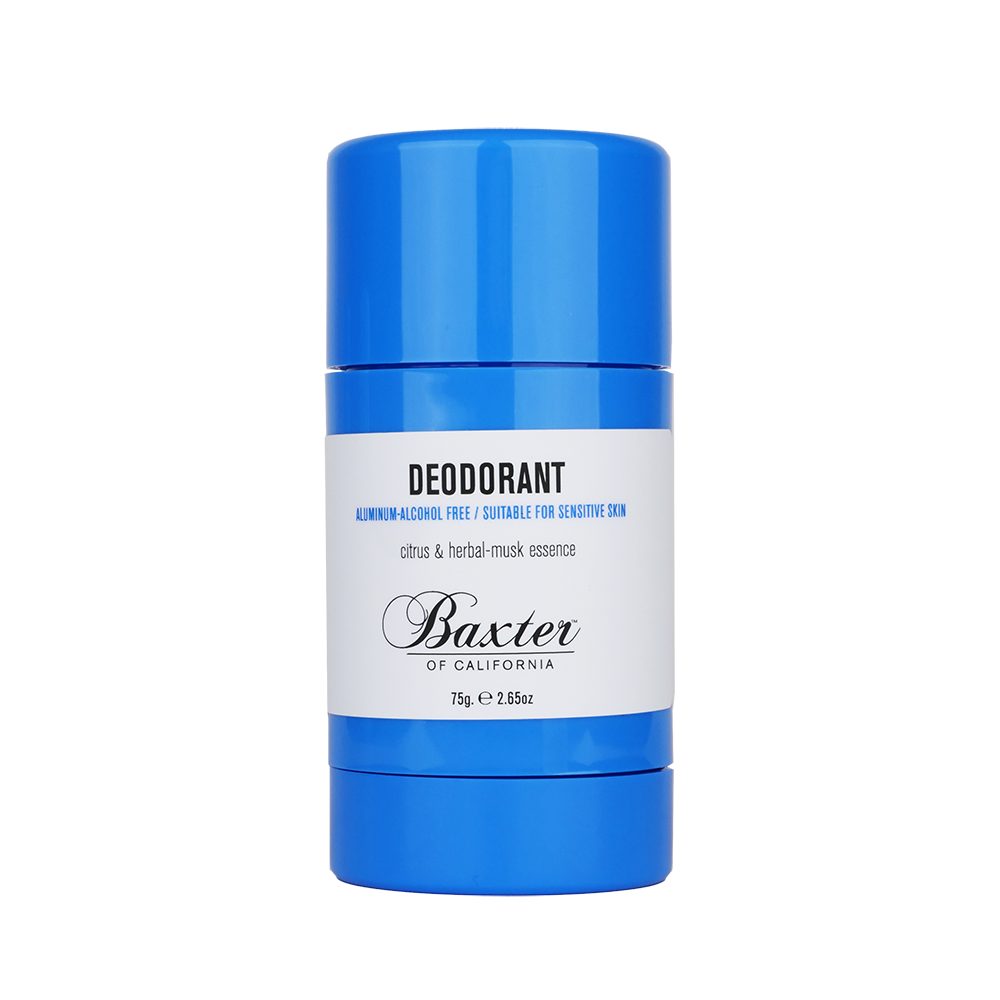
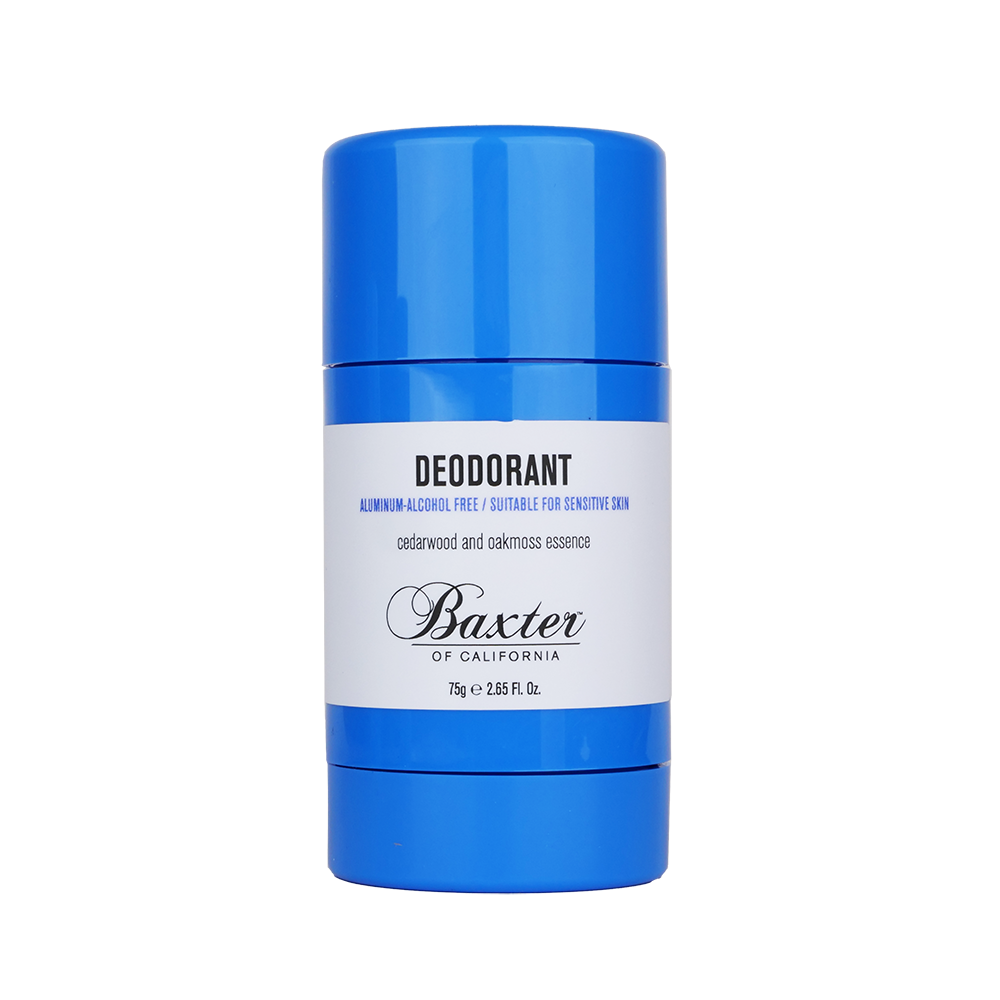
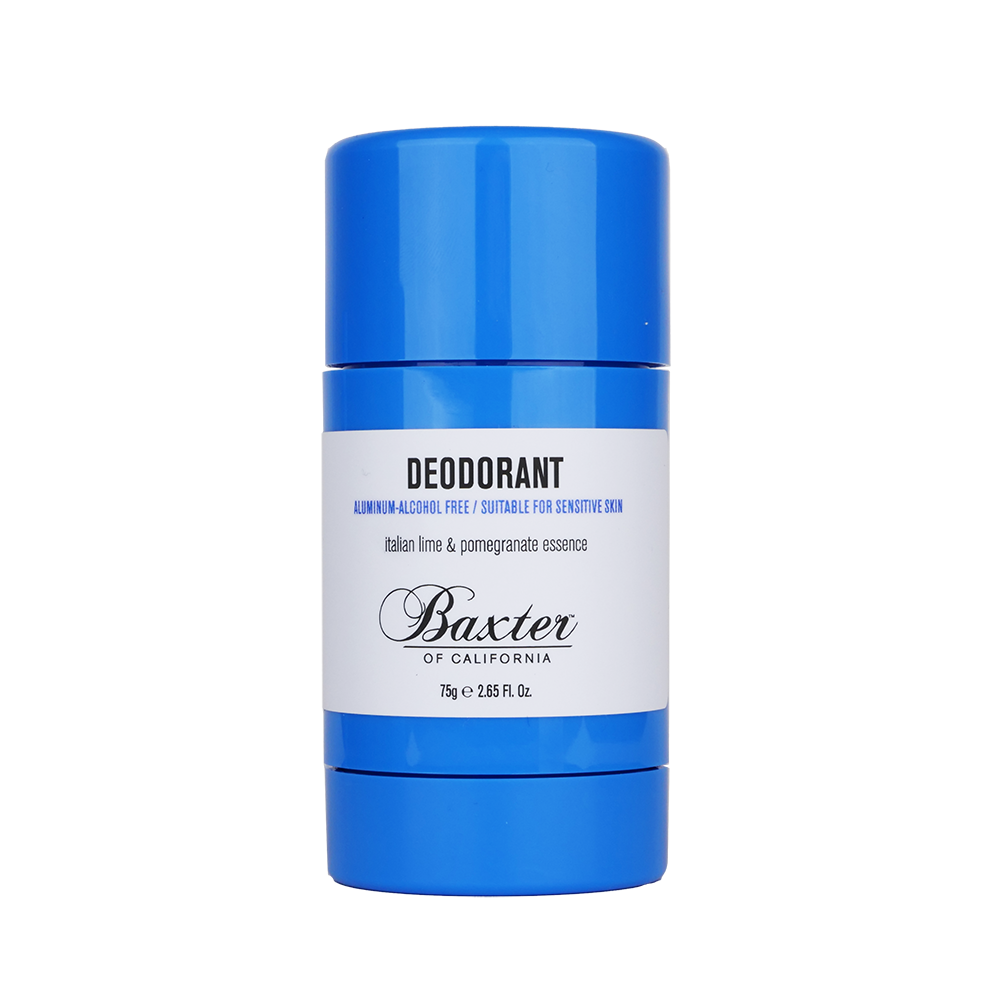
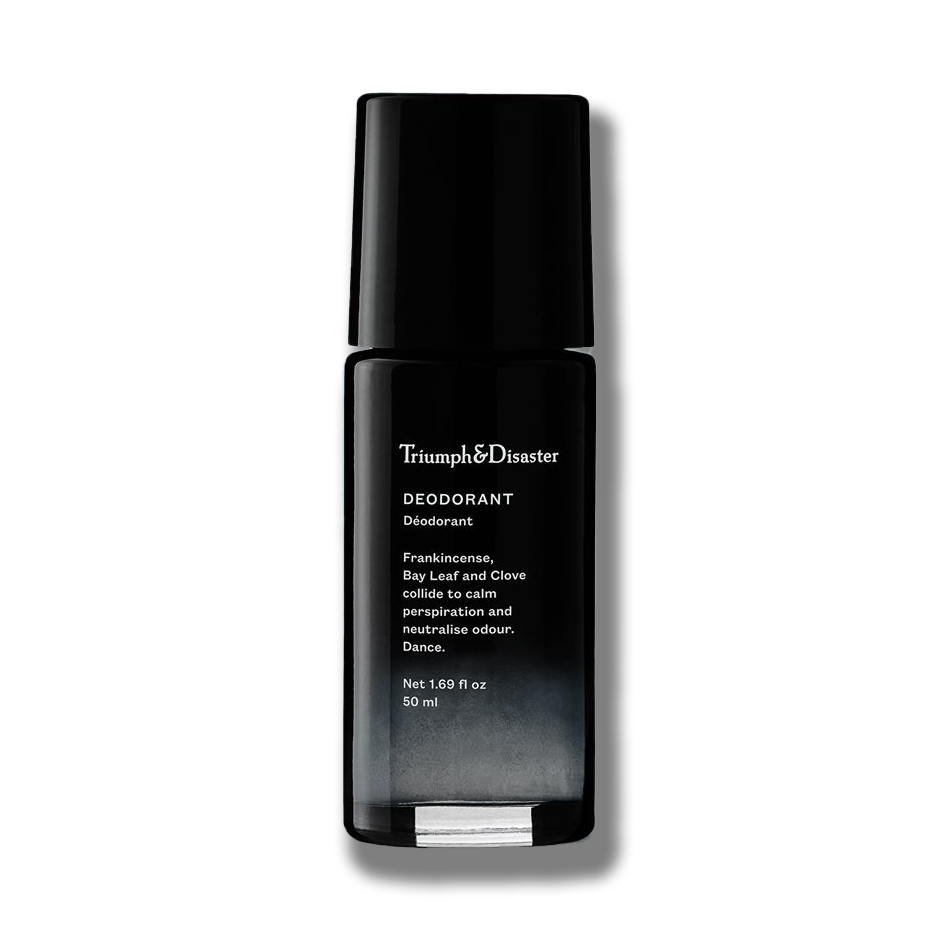
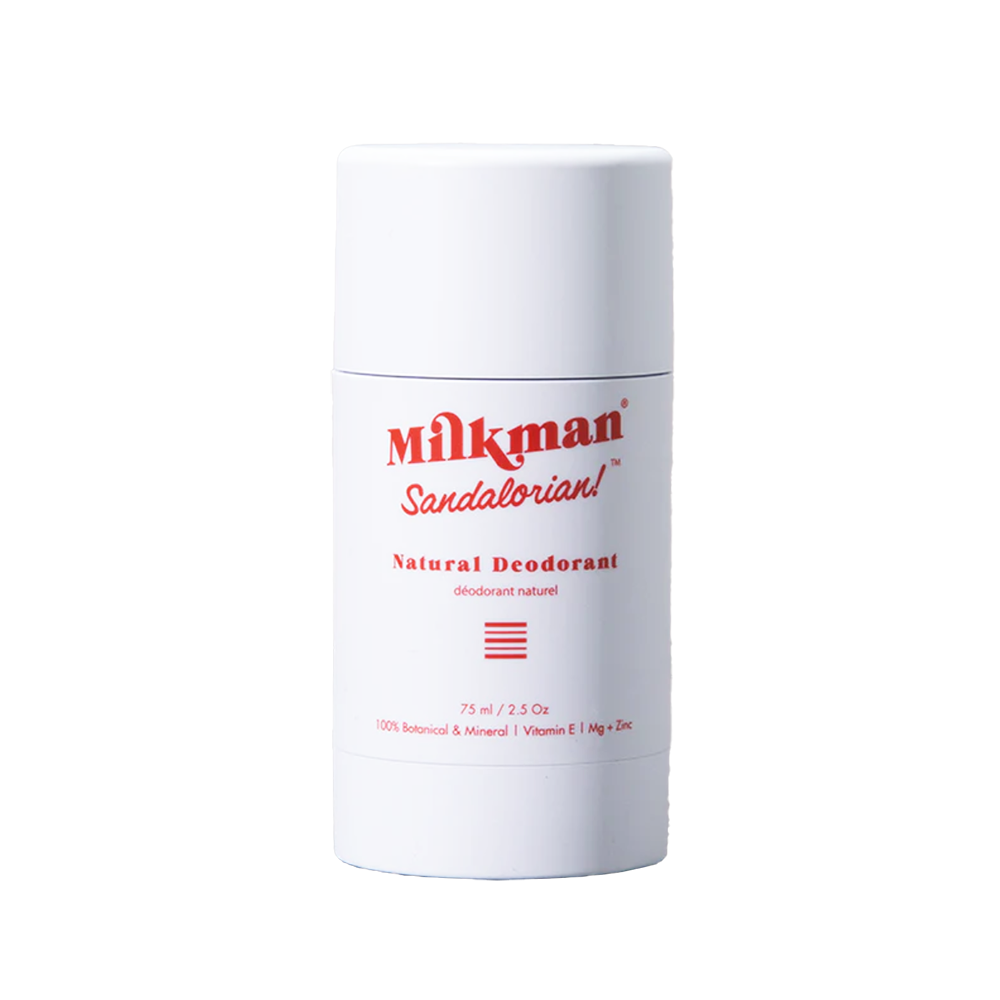
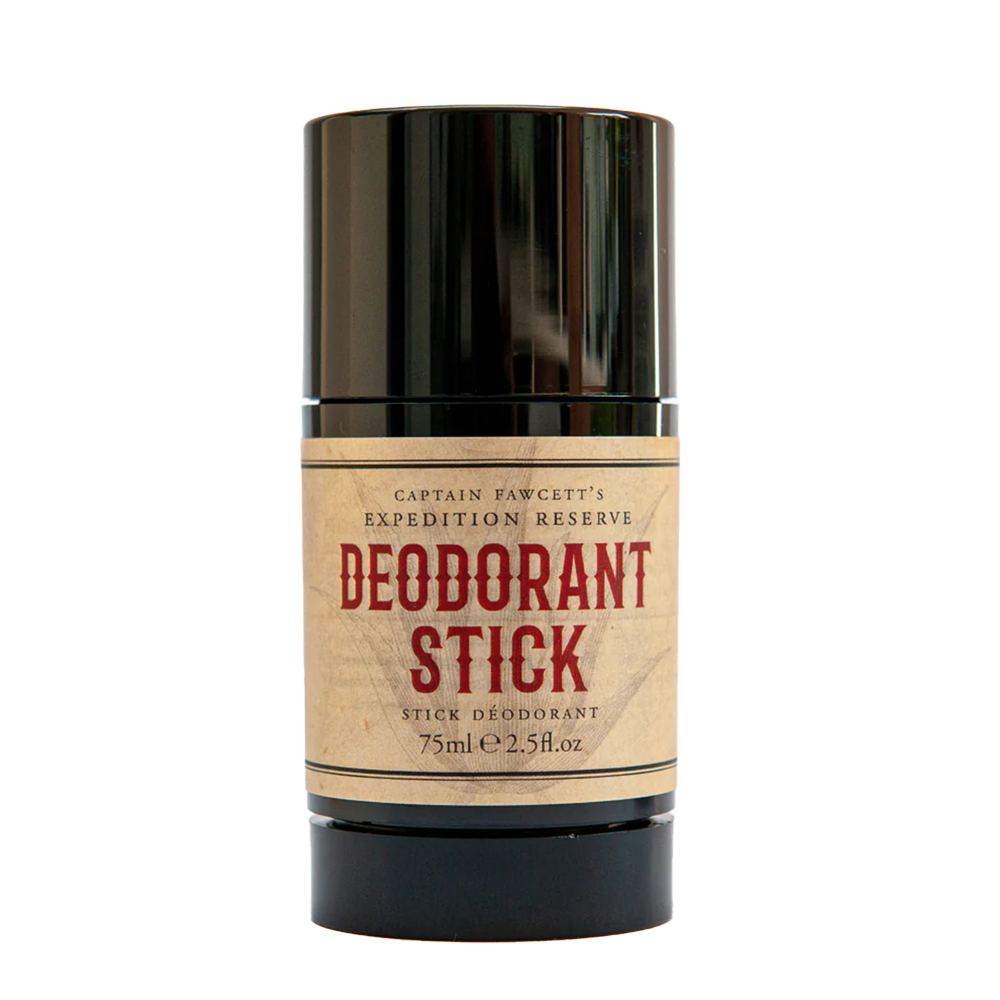
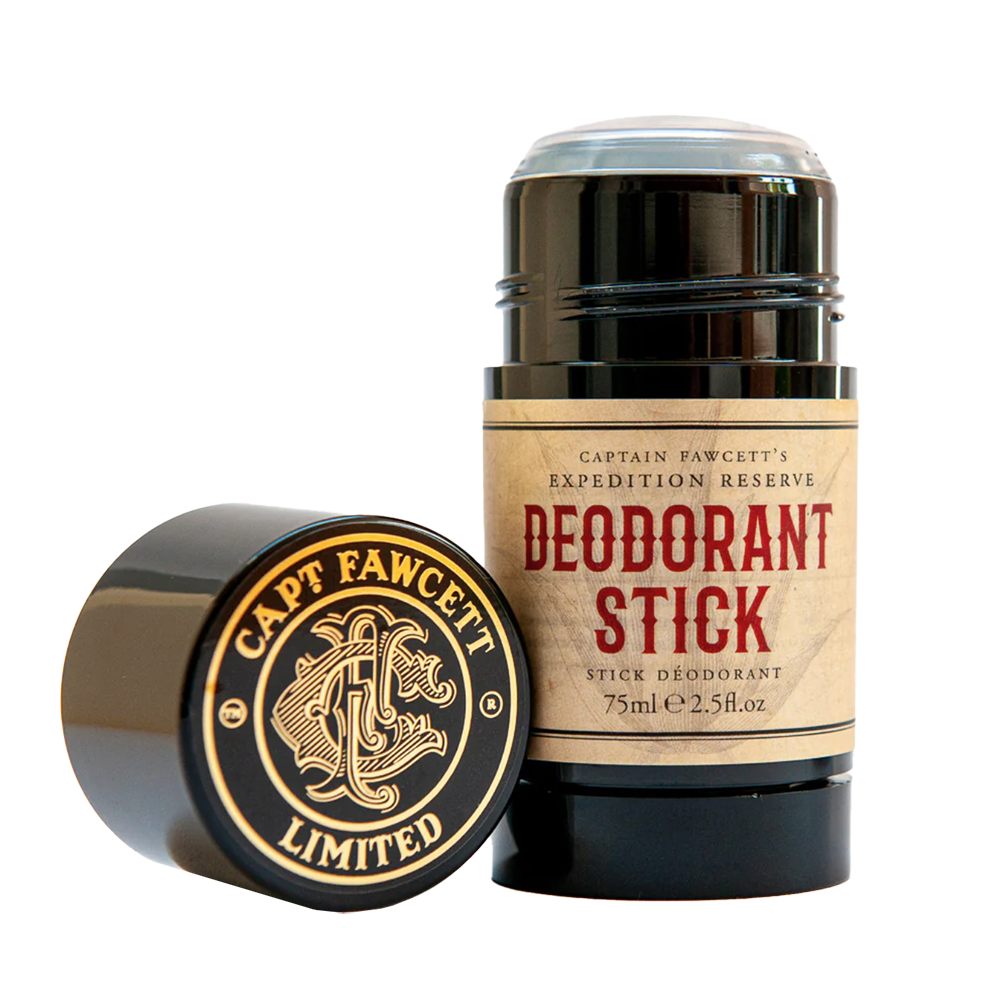
Men's Deodorant & Antiperspirant — Stay Fresh, All Day
The distinction between deodorant and antiperspirant matters more than most men realise — and understanding it helps you choose the right product for your specific needs. Deodorant works by neutralising the bacteria on the skin surface that convert odourless sweat into body odour — it does not reduce sweating itself, but prevents the odour that occurs when sweat meets bacteria. Antiperspirant works differently: it uses aluminium-based compounds to temporarily block the sweat ducts, reducing the volume of sweat produced. Most products marketed as deodorant also contain antiperspirant properties — true deodorant-only products are typically natural formulas that rely on bacterial inhibition alone.
Our range covers the full spectrum: clinical-strength antiperspirants for men who sweat heavily or need reliable all-day protection in Australia's heat, natural deodorants free of aluminium and synthetic fragrance for men with sensitive skin or a preference for cleaner formulations, and everyday formulas that balance efficacy with skin comfort. Free delivery across Australia on orders over $50.
Frequently Asked Questions
What is the difference between deodorant and antiperspirant?
Deodorant neutralises the odour caused by bacteria breaking down sweat — it does not reduce sweating. Antiperspirant uses aluminium compounds to temporarily block sweat ducts and reduce the volume of perspiration. Most mainstream products combine both functions. If sweating itself is your primary concern — wet patches, heavy perspiration — you need an antiperspirant. If odour is your primary concern and you prefer to sweat naturally, a deodorant (including natural formulas) is the appropriate choice.
Is aluminium in antiperspirant safe?
Aluminium-based compounds in antiperspirants have been the subject of ongoing research, primarily around potential links to breast cancer and Alzheimer's disease. The current scientific consensus — as of the most recent reviews by cancer research organisations including Cancer Australia — does not support a causal link between standard antiperspirant use and these conditions. Aluminium compounds are absorbed through the skin in very small quantities and are rapidly excreted. Men with a preference for aluminium-free products can find effective natural deodorant alternatives in our range.
How do I stop my deodorant from leaving white marks on clothing?
White marks are caused by aluminium compounds in the antiperspirant transferring to fabric before fully drying. The solutions: apply at night rather than immediately before dressing, allow to fully dry before putting on a shirt, use a clear gel or invisible solid formula rather than a white stick, and apply a smaller amount. Washing white marks from clothing with a damp cloth before they dry is more effective than waiting until laundry day. Some antiperspirant formulas are specifically engineered for reduced transfer — these are labelled accordingly.
Are natural deodorants as effective as regular antiperspirants?
For odour control alone, high-quality natural deodorants — particularly those using magnesium hydroxide, baking soda, or zinc ricinoleate as their active odour-neutralising ingredient — can be genuinely effective for most men in moderate conditions. They are typically less effective than aluminium antiperspirants for heavy sweaters, in high heat and humidity, or for men engaged in intense physical activity. A transition period of 2–4 weeks when switching from antiperspirant to natural deodorant is common as the body adjusts — odour may initially be more noticeable before stabilising.