Face Mask
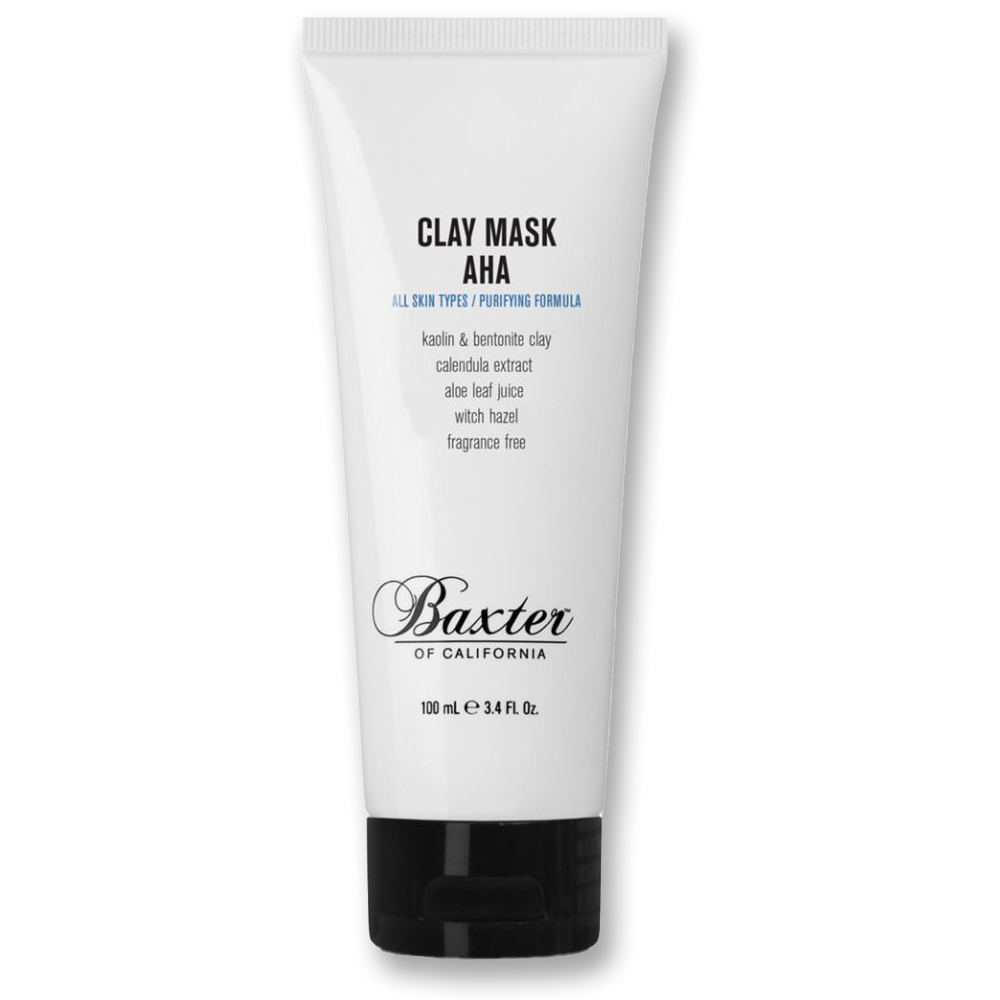
Men's Face Masks — Deep Treatment in 10 Minutes
A face mask is a concentrated treatment step — applied once or twice a week — that delivers a higher dose of active ingredients than your regular cleansers and moisturisers can carry in their everyday formulations. The occlusive or semi-occlusive nature of most mask formats creates a micro-environment on the skin surface that drives deeper ingredient penetration and, in the case of clay masks, draws out the impurities, excess oil, and congestion that everyday cleansing does not fully address. Ten minutes with the right mask can meaningfully advance your skincare results in a way that daily products cannot replicate.
Men's face masks fall into several broad categories: clay and charcoal masks for deep cleansing and oil control; hydrating sheet or cream masks for replenishing moisture-depleted skin; exfoliating masks using AHAs or enzymes for brightness and texture; and treatment masks targeting specific concerns like redness, congestion, or post-shave sensitivity. Each format has a distinct purpose — matching the mask type to your skin concern is the key to getting meaningful results. Browse our range and use the product descriptions to identify the right format for your skin. Free delivery across Australia on orders over $50.
Frequently Asked Questions
How often should men use a face mask?
Once or twice per week is appropriate for most masks and most skin types. More frequent use can over-strip the skin (particularly with clay or exfoliating masks) or become redundant (the skin can only absorb so much of any ingredient in a given period). For men with oily or congested skin, a clay mask once or twice weekly is a useful regular step. Hydrating masks can be used more frequently — up to 3 times per week — as they do not strip the skin. Always follow with a moisturiser after any mask application.
What face mask is best for oily or congested skin?
Clay masks — particularly those using kaolin clay, bentonite clay, or both — are the most effective format for oily and congested skin. Clay has a natural negative charge that attracts positively charged sebum and impurities, pulling them to the skin surface as the mask dries. Charcoal adds additional adsorption capacity for pore-level impurities. Apply to clean, damp skin, leave for 10 minutes (avoid letting it dry completely on sensitive areas), and rinse thoroughly with warm water.
What face mask is best for dry or sensitive skin?
Hydrating cream or gel masks are the appropriate format for dry or sensitive skin. Look for formulas containing hyaluronic acid (draws moisture to the skin), ceramides (rebuilds the moisture barrier), niacinamide (calms redness and strengthens barrier), and squalane (lightweight emollient). Avoid clay, charcoal, or exfoliating masks on dry or sensitive skin — these can significantly worsen dryness and irritation. Sheet masks are also a good option for sensitive skin as they deliver concentrated hydration without the need for rinsing.
Can I use a face mask after shaving?
Yes, with the right choice. A hydrating or calming mask applied after shaving can significantly accelerate post-shave skin recovery — particularly for men who experience regular redness, razor burn, or sensitivity. Avoid exfoliating or clay masks immediately after shaving as the skin barrier is temporarily compromised and these formats can cause stinging and additional irritation. A mask with aloe vera, centella asiatica, or niacinamide is ideal in the post-shave context.