Brushes & Combs
Men's Hair Brushes & Combs — Style, Detangle and Distribute
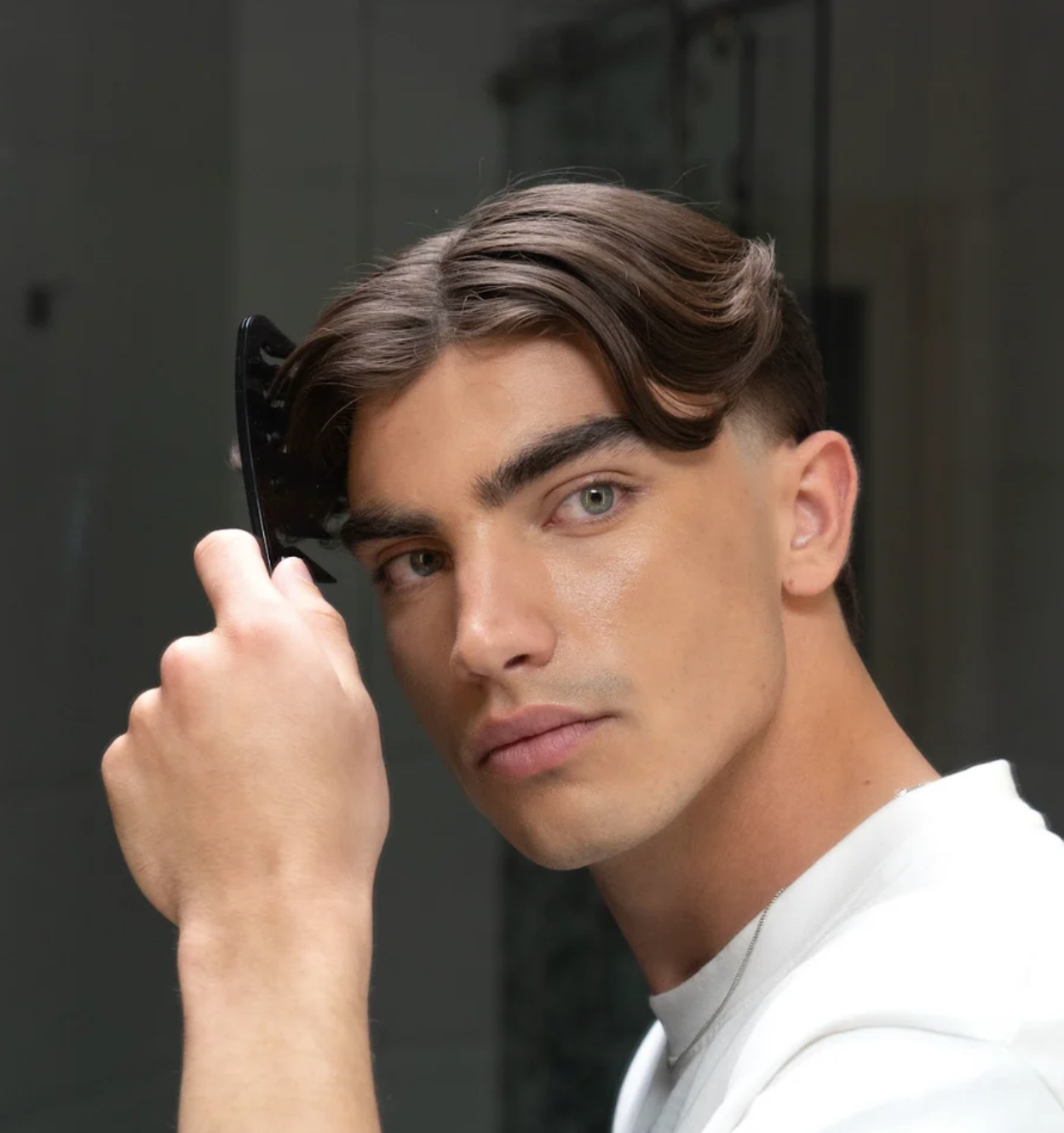
A quality brush or comb is the tool that translates styling product into a finished result — and like most tools, the quality of the instrument directly affects the quality of the outcome. A well-made comb with smoothly finished tines glides through hair without snagging or causing breakage. A quality brush with the right bristle type for your hair distributes natural oils from scalp to ends, exfoliates the scalp, and trains the hair to grow and lie in a consistent direction over time. These are not luxury purchases; they are functional tools that affect the health and appearance of your hair every day.
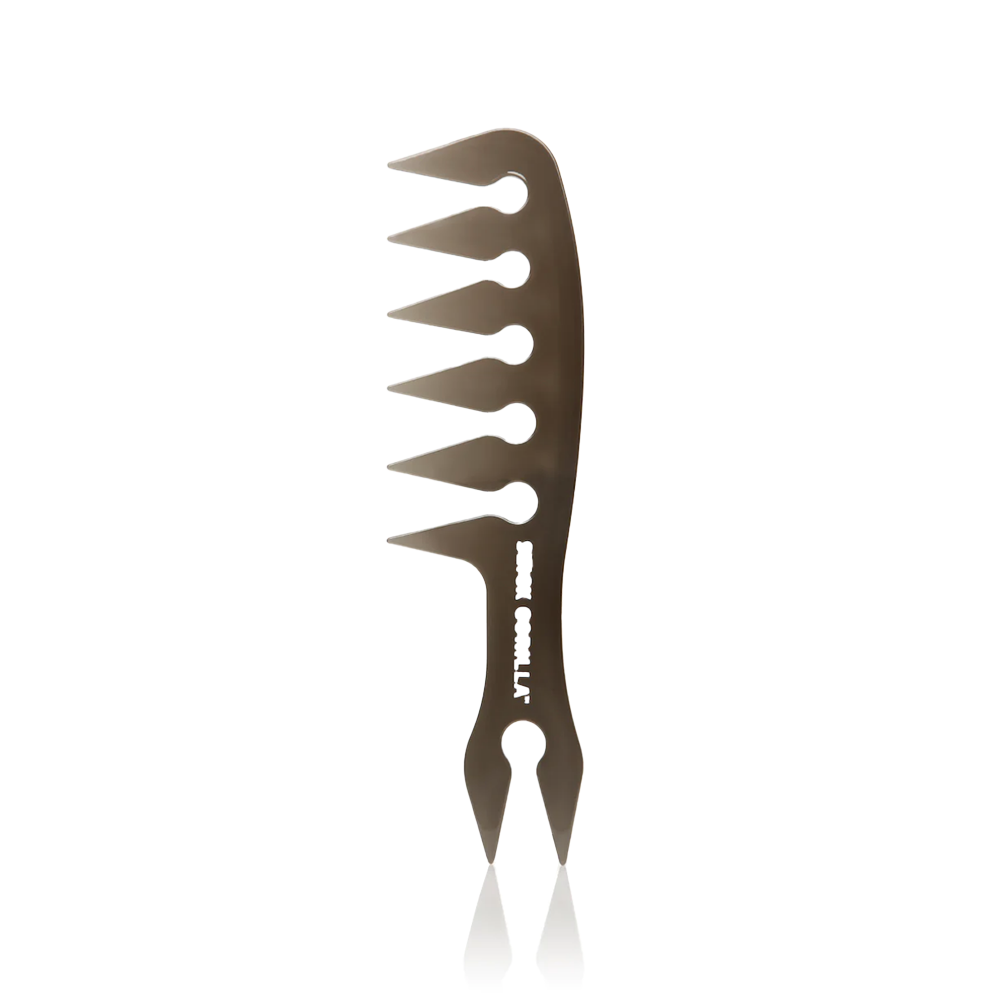
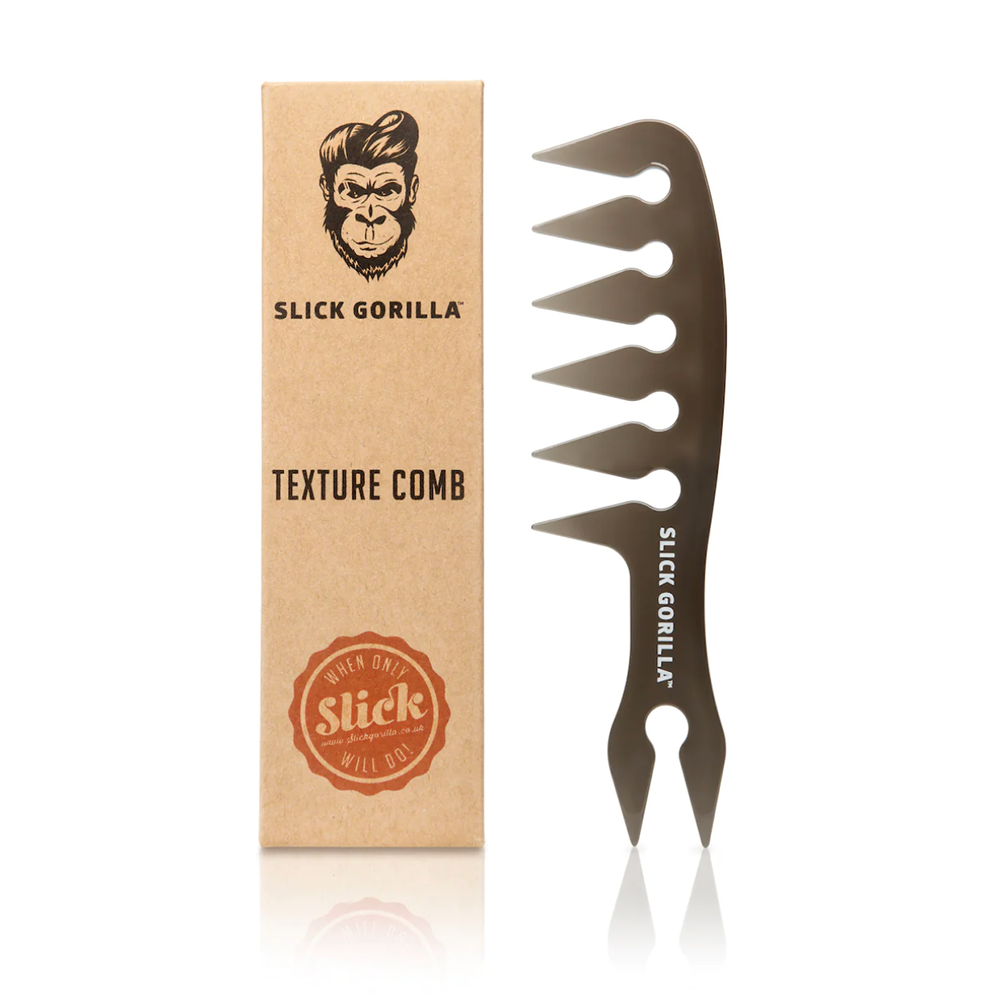
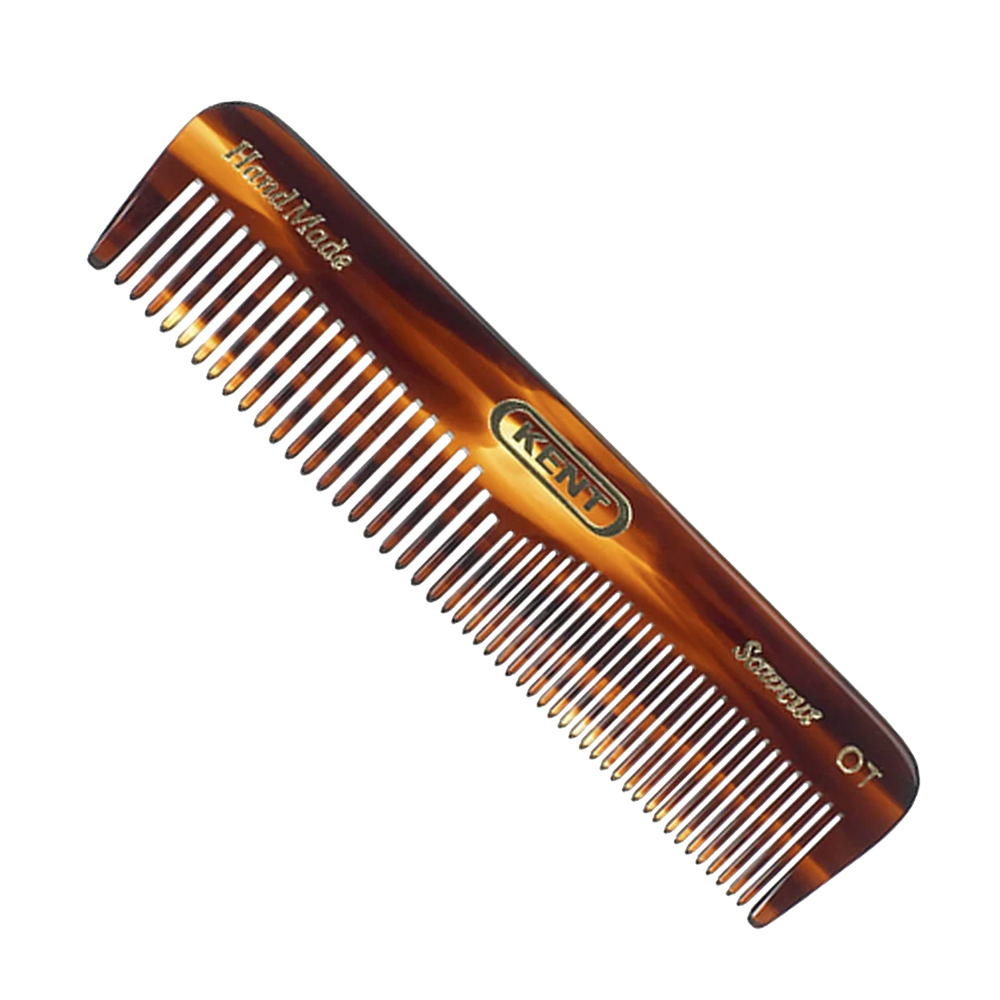
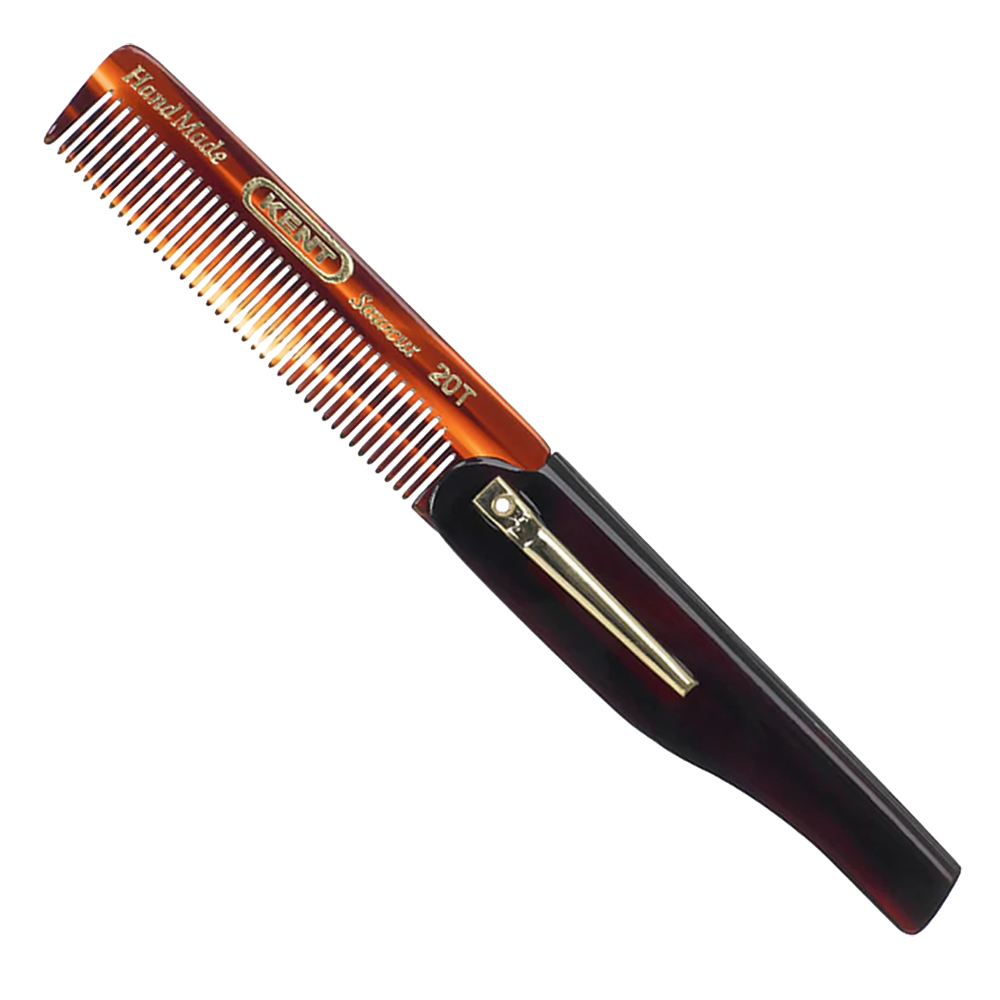
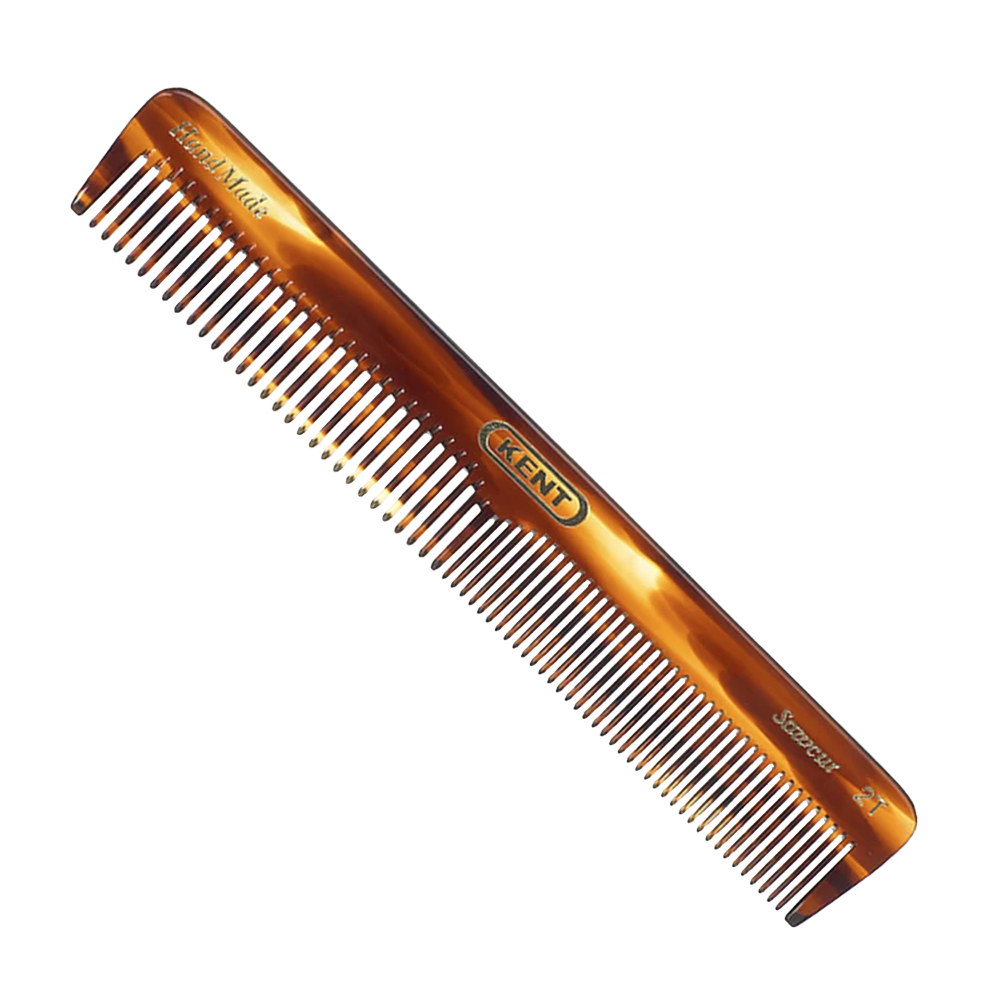
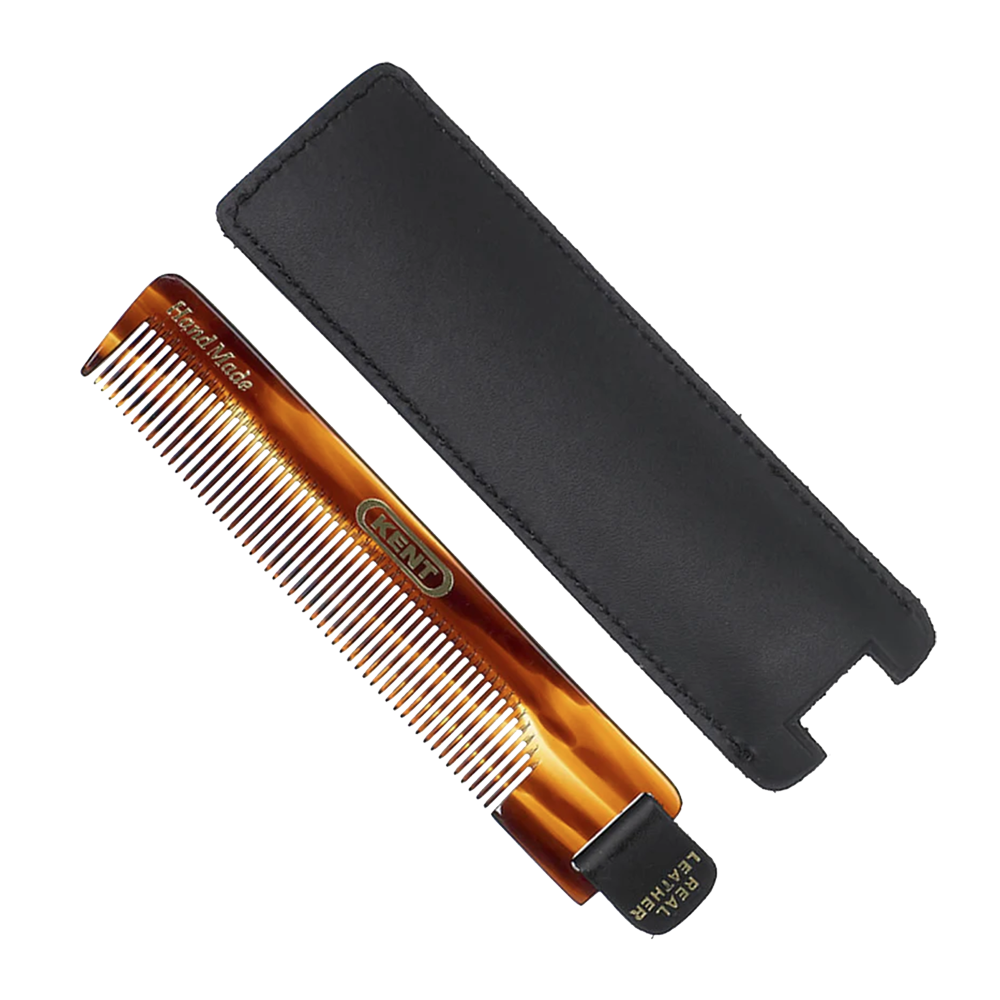
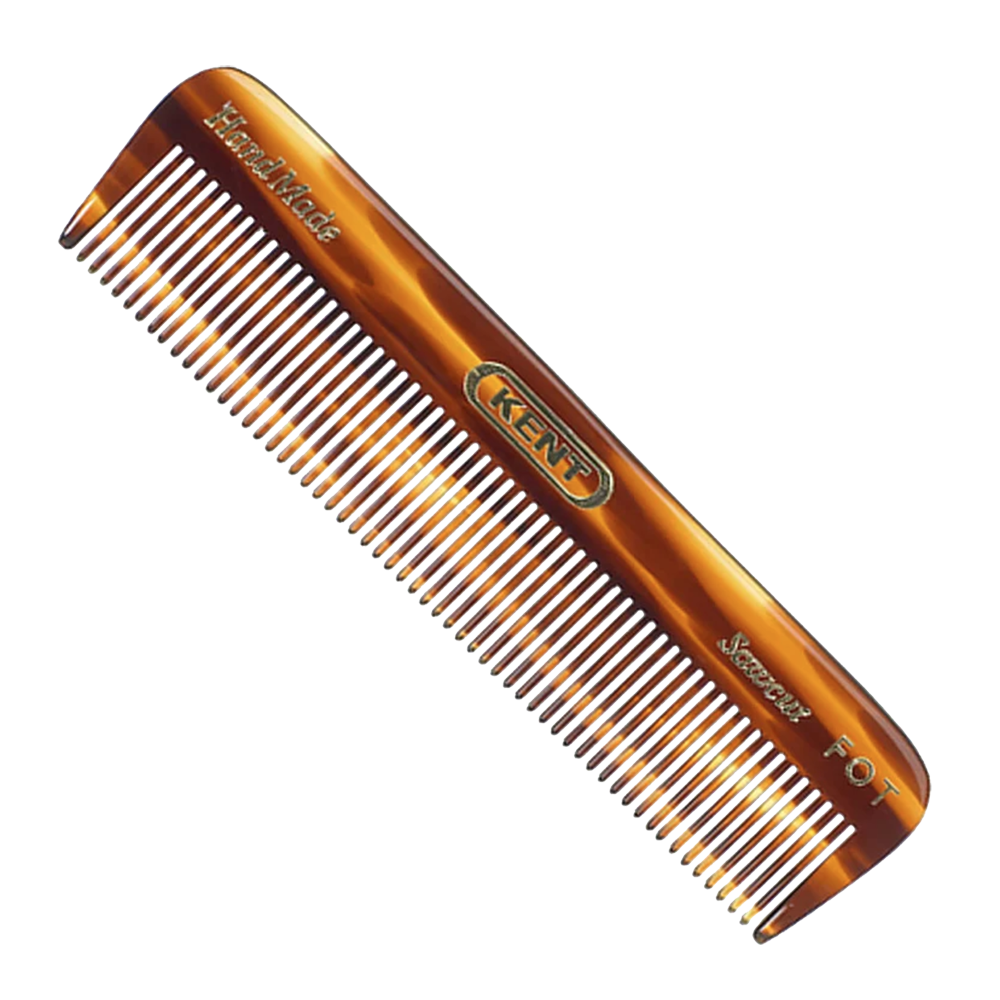
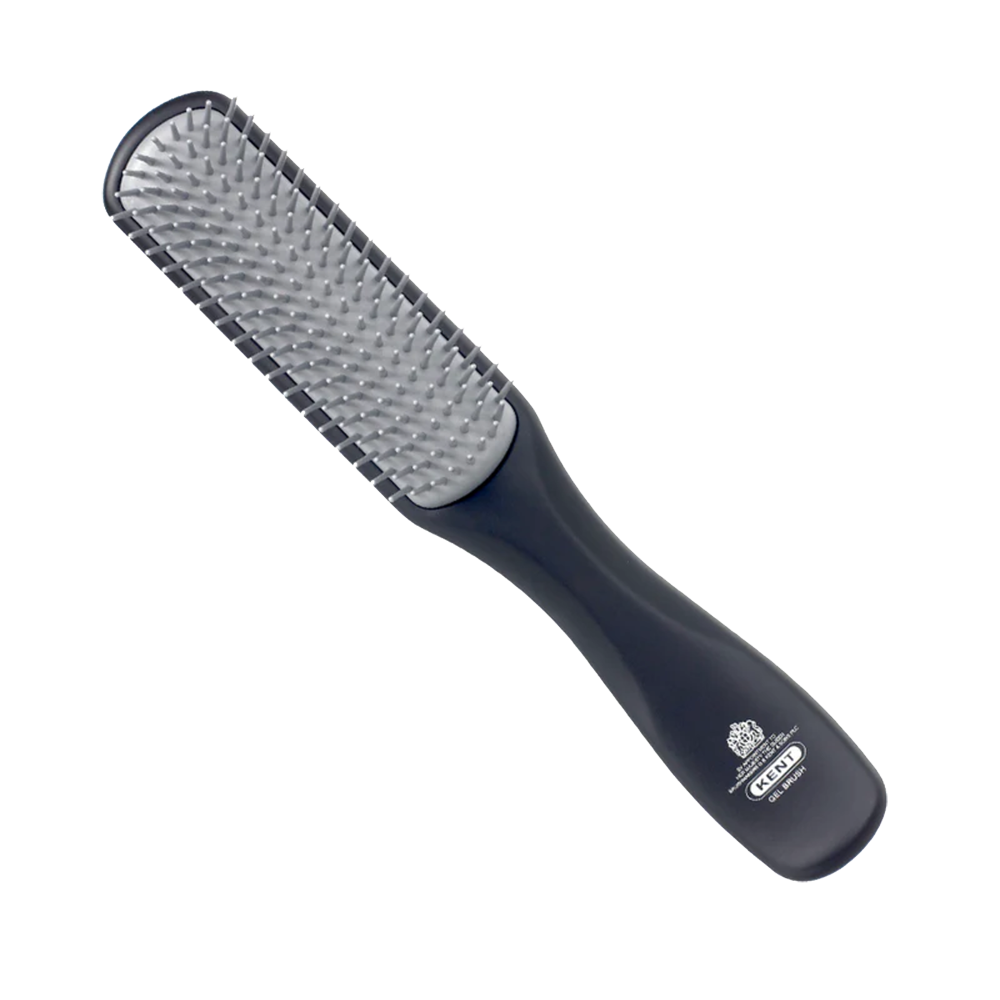
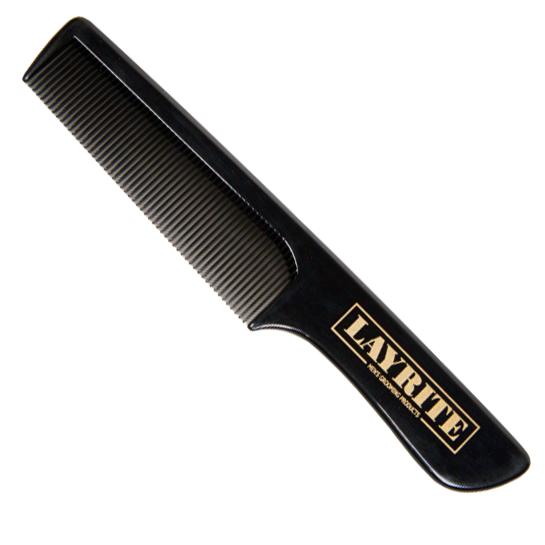
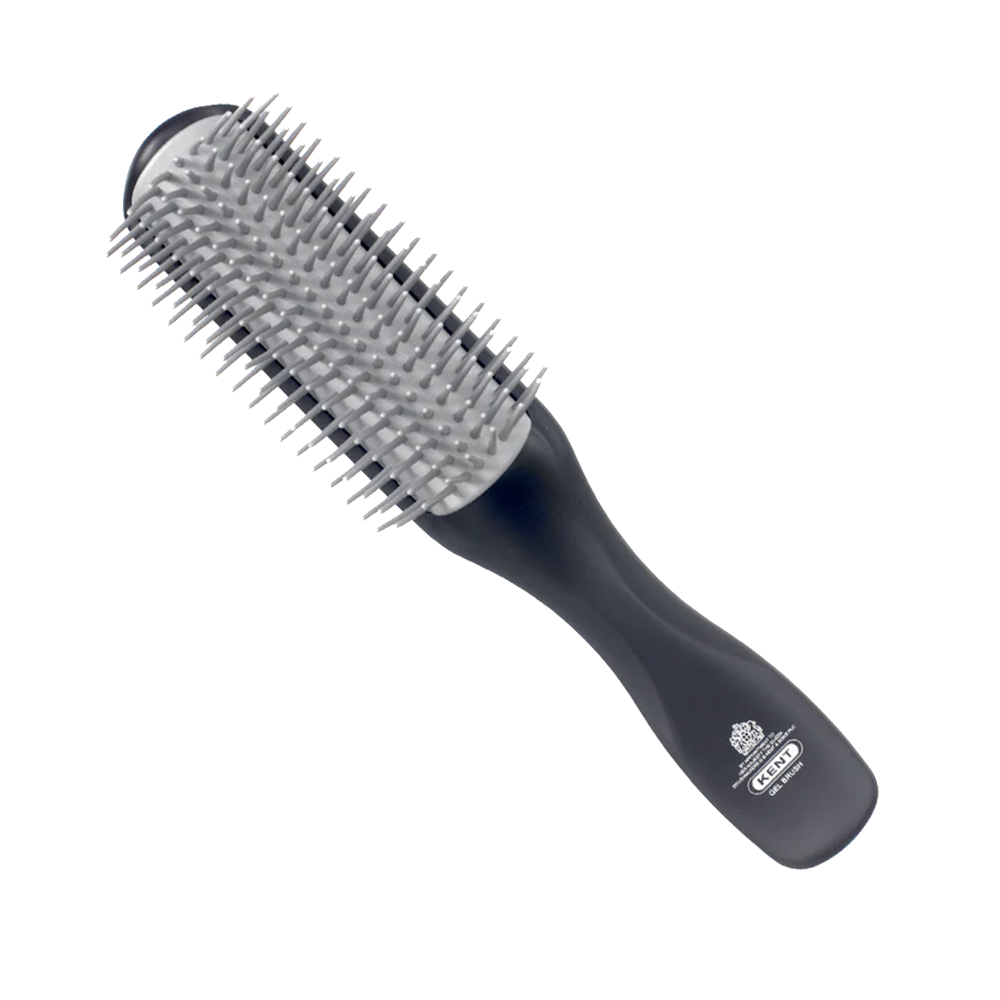
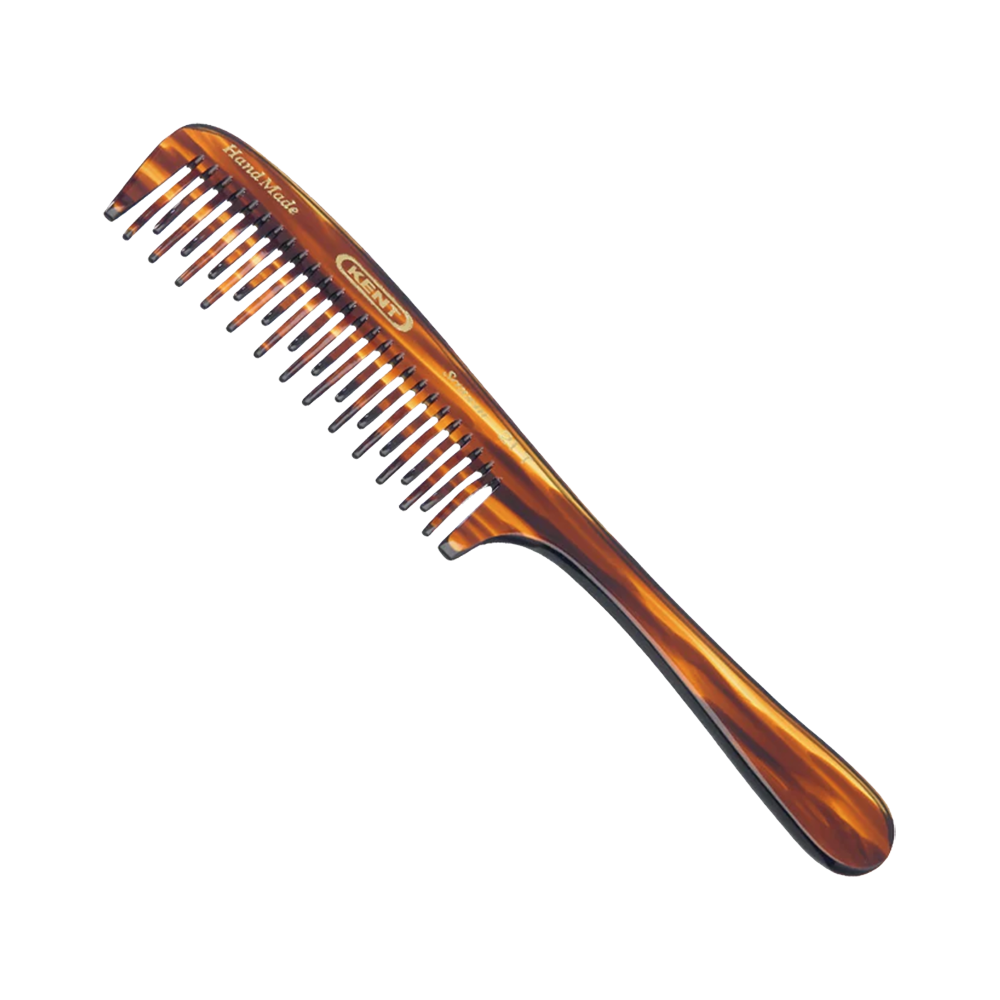
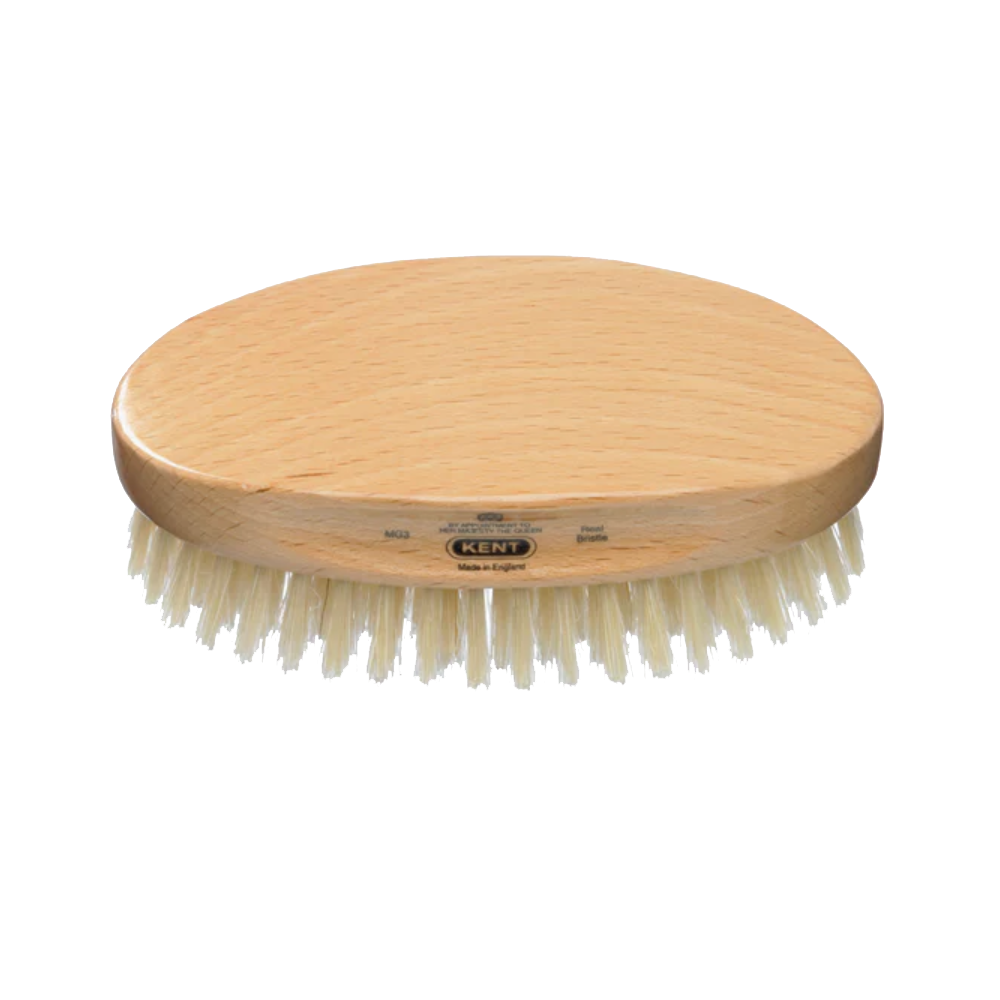
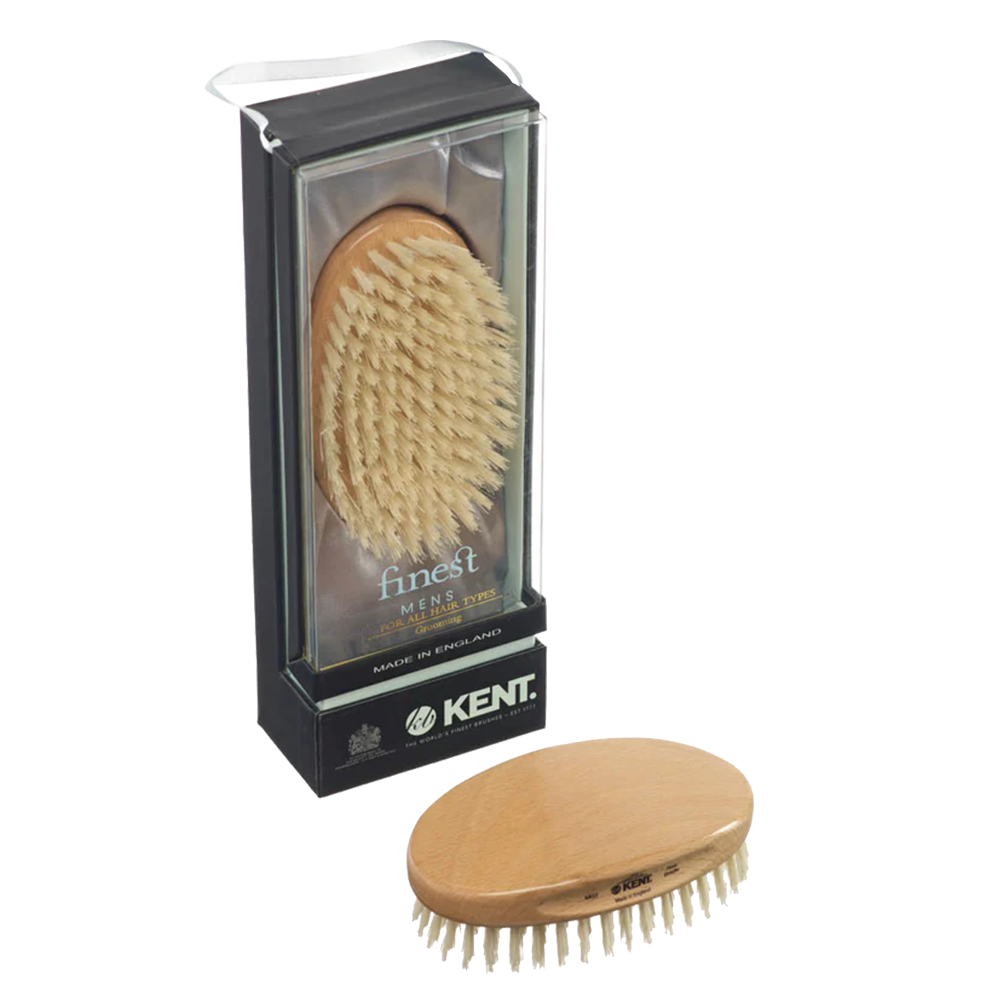
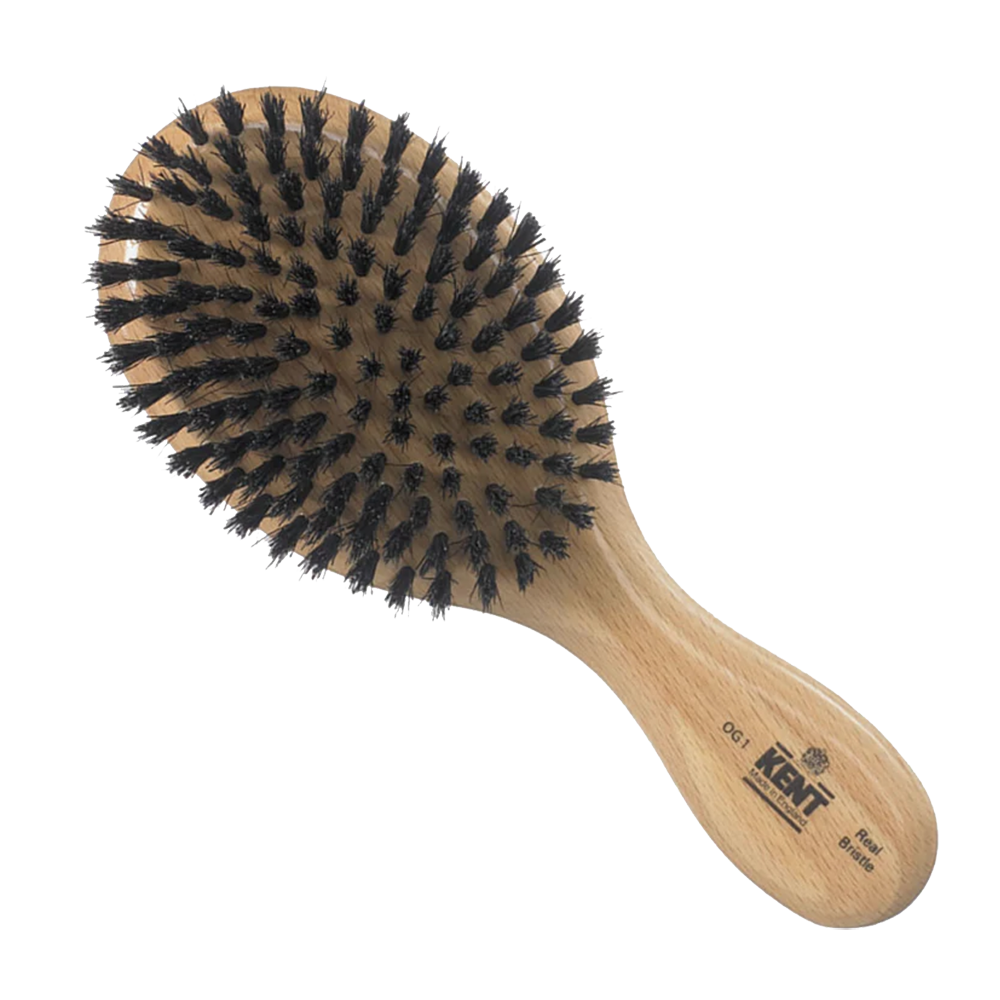
Our range covers the full toolkit for men's hair: fine-tooth combs for precise styling and product distribution, wide-tooth combs for detangling wet hair or working through thicker hair types, pocket combs for on-the-go maintenance, paddle brushes for smoothing and straightening, round brushes for blow-dry volume and shape, and natural boar bristle brushes for daily grooming and oil distribution. Brands including Kent Brushes — one of the oldest and most respected brush manufacturers in the world — are represented in our range. Free delivery across Australia on orders over $50.
Frequently Asked Questions
What type of brush is best for men's hair?
It depends on hair type and styling goals. A paddle brush with natural boar bristle is the best everyday option for most men — it smooths, shines, and distributes product and natural oils efficiently across all hair lengths. A round brush is used with a blow dryer to create volume and shape in medium-to-long hair. A vent brush allows airflow during blow drying for faster drying and volume. For very short hair, a traditional military-style cushion brush or a boar bristle brush provides the best finish for daily grooming.
What is the difference between a fine-tooth and a wide-tooth comb?
A fine-tooth comb has closely spaced tines that provide precise control for styling, defining partings, and distributing product evenly through the hair. It is best used on dry or lightly damp, already-detangled hair. A wide-tooth comb has wider-spaced tines that move through hair with less resistance — it is the appropriate tool for detangling wet hair after washing (when hair is most fragile and prone to breakage) or for working through very thick, curly, or coarse hair. Always detangle with a wide-tooth comb on wet hair before using a fine-tooth comb for styling.
Should I brush my hair wet or dry?
Wet hair is significantly more vulnerable to breakage than dry hair — the hair shaft is swollen with water and the cuticle is raised, making it weak and elastic in a way that causes snapping rather than stretching when force is applied. Always use a wide-tooth comb on wet hair rather than a brush. Once the hair is towel-dried and partially dry, a brush can be used more safely. For blow-drying, use a brush appropriate to the style you are creating — a round brush for volume, a paddle brush for smoothing.
How do I clean a hair brush?
Remove accumulated hair from the bristles regularly — use a comb to lift and pull hair out from between the bristles. For a deeper clean, fill a bowl with warm water and a small amount of gentle shampoo, swirl the bristle head in the solution (avoid submerging wooden handles), and work the bristles with your fingers to loosen product buildup. Rinse under warm water until clean. Shake out excess water and allow to dry bristle-side down on a towel. Clean your brush at least once a fortnight — product and oil buildup in the bristles transfers back to clean hair during brushing.