Beard Scissors
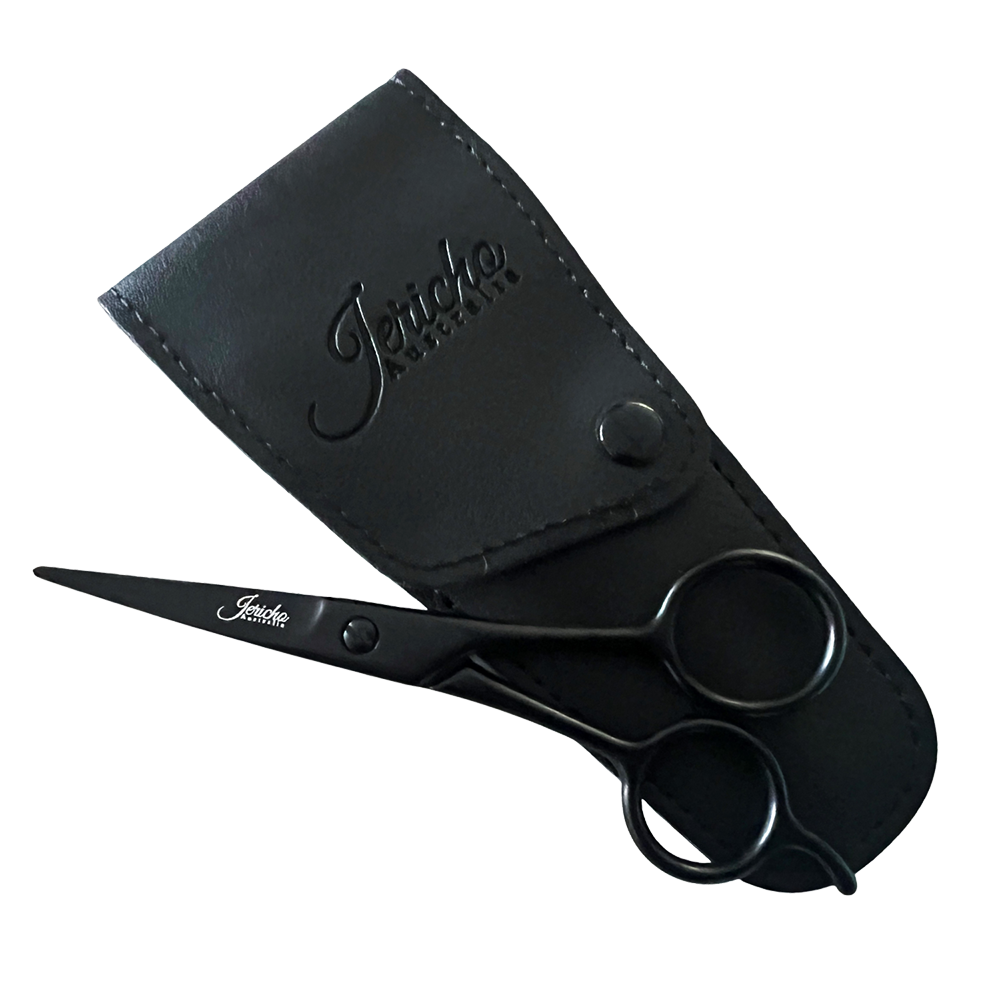
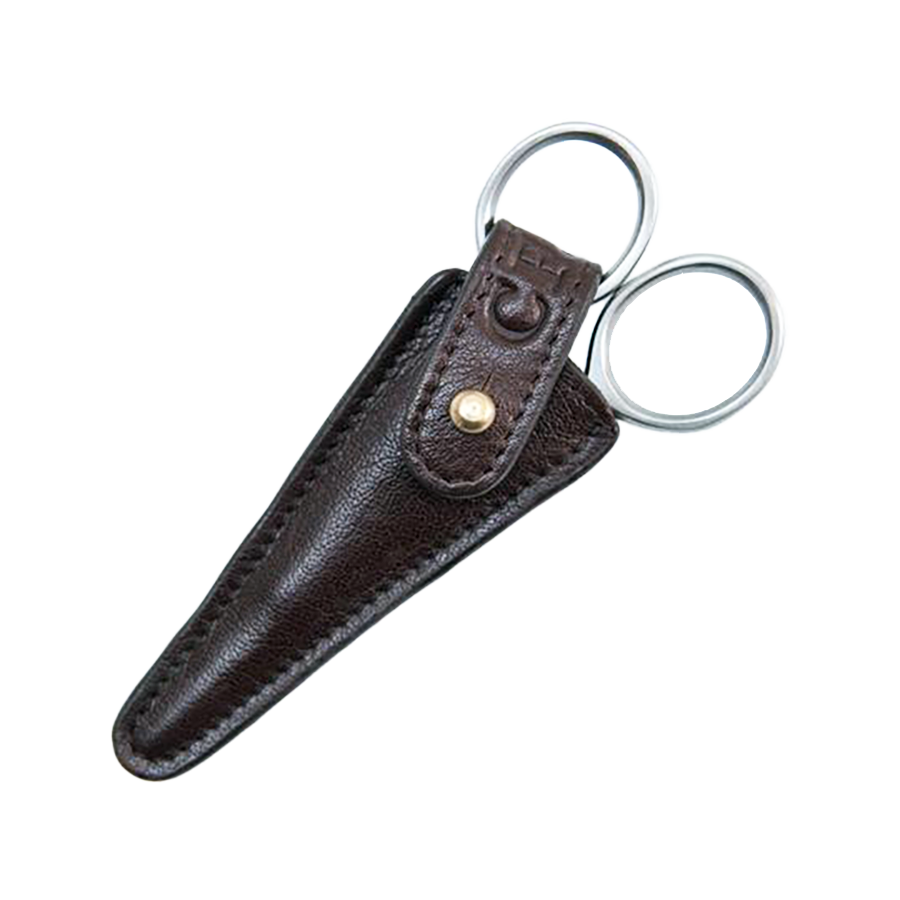
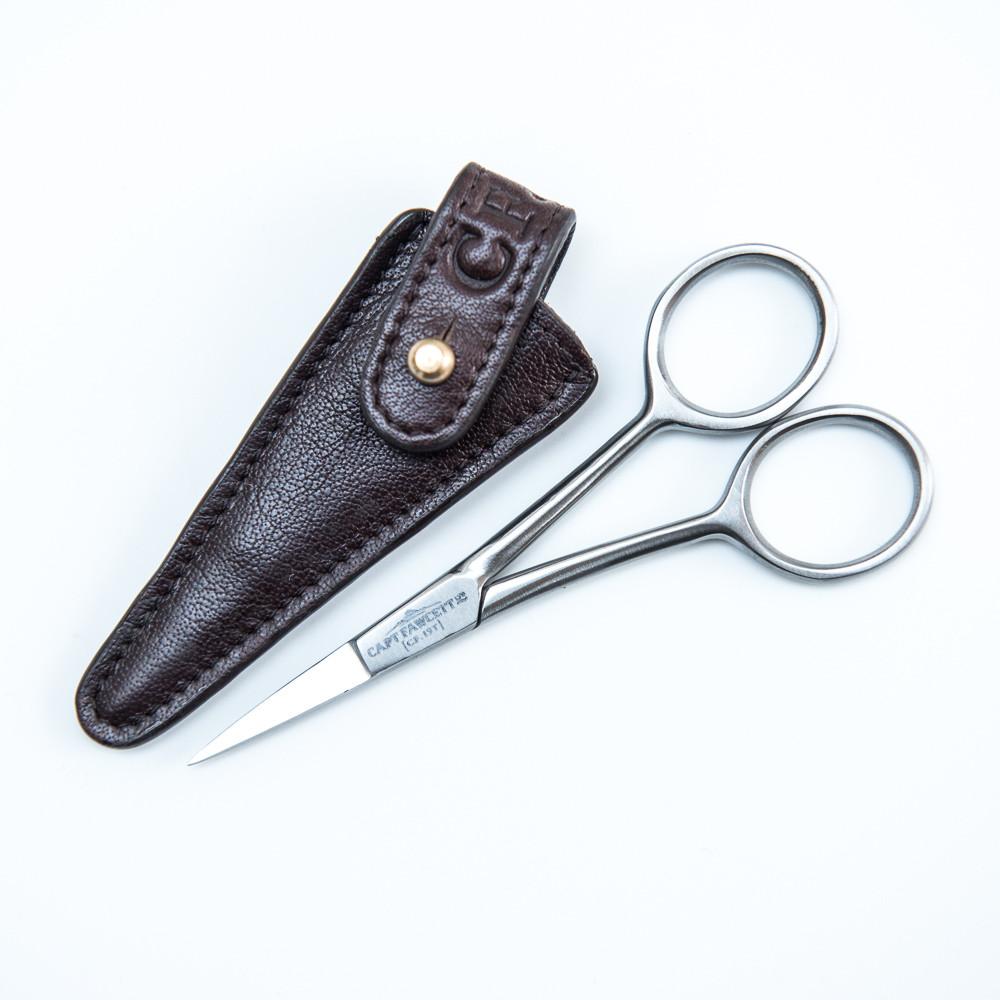
Beard Scissors — Precision Trimming for a Well-Maintained Beard
A quality pair of beard scissors gives you a level of precision and control that electric trimmers and clippers simply cannot replicate — particularly for the detail work that defines the difference between a well-maintained beard and one that just grew. Trimming stray hairs that sit above the beard line, addressing a single hair that is noticeably longer than those around it, refining the moustache line with hairline precision, or making small adjustments to the overall shape without removing length — all of these tasks are done most effectively with a sharp pair of dedicated beard scissors.
Beard scissors are distinct from standard hair scissors or household scissors: they are smaller (typically 5–6 inches total length), with shorter, more precisely aligned blades designed for the close-up work of beard and moustache maintenance rather than bulk cutting. The blades must be properly tempered steel that holds an edge through repeated use — cheap scissors lose their sharpness quickly and begin to fold and pull hairs rather than cut them cleanly, causing split ends and an uneven result. Our range covers quality beard scissors from brands known for precision grooming tools. Free delivery across Australia on orders over $50.
Frequently Asked Questions
Can I use regular scissors to trim my beard?
Technically yes, but regular household scissors are typically too large for precise beard work, poorly aligned for fine detail cutting, and made from steel that is not properly tempered for hair cutting — meaning they cut by folding and crushing the hair rather than cleanly slicing it, which creates split ends and rough cut lines. Dedicated beard scissors are smaller, more precisely aligned, and made from properly tempered steel that cuts cleanly. The difference in result is immediately apparent, particularly for moustache trimming and detail work.
How do I trim my beard with scissors?
Comb the beard thoroughly first with a beard comb to remove tangles and lay the hair in its natural direction. For length reduction, use a comb to lift a section of beard hair to the desired length and trim the hair that extends beyond the comb — this technique (also used by barbers) gives consistent length control across the beard. For individual strays, comb the beard flat and snip individual protruding hairs one at a time. Always trim conservatively — less than you think you need — and check the result from a step back before trimming further.
How do I care for beard scissors to maintain their sharpness?
After each use, wipe the blades clean with a dry cloth to remove any hair or product residue. Apply a single drop of scissor oil (or light mineral oil) to the pivot point and along the inner blade surfaces every few uses to maintain smooth action and prevent rust. Store in a protective case or pouch when not in use — never loose in a drawer where blade contact with other objects can nick and dull the edge. Quality scissors can be professionally sharpened when they eventually dull — this is more economical than replacement for a quality pair.
What size beard scissors should I buy?
For beard and moustache trimming, a total length of 5–6 inches (12–15cm) is the most practical size — small enough for precise control around the lip and jaw, but large enough to handle a full trimming session without fatigue. Larger scissors (7 inches+) are better suited to hair cutting and are unwieldy for close facial work. For moustache-only trimming, some men prefer a smaller 4.5-inch scissor for maximum control around the upper lip.