Anti-Ageing
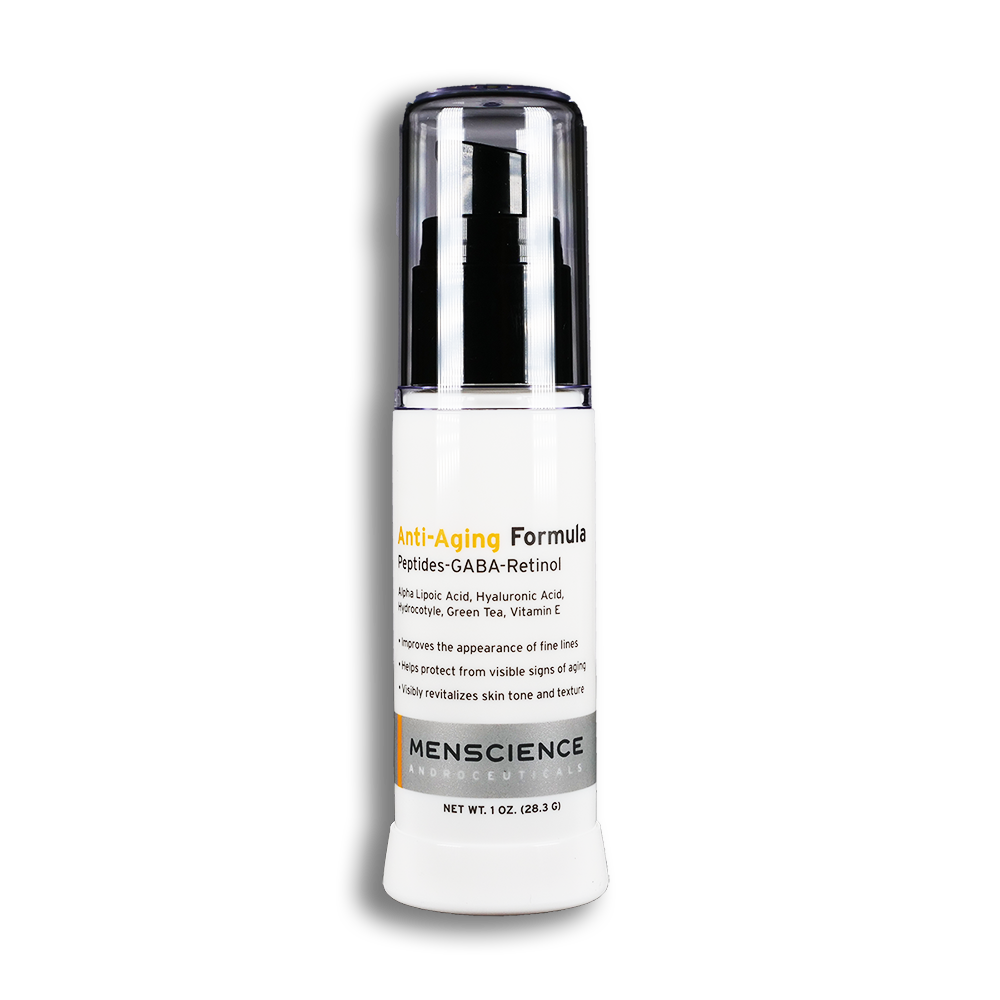
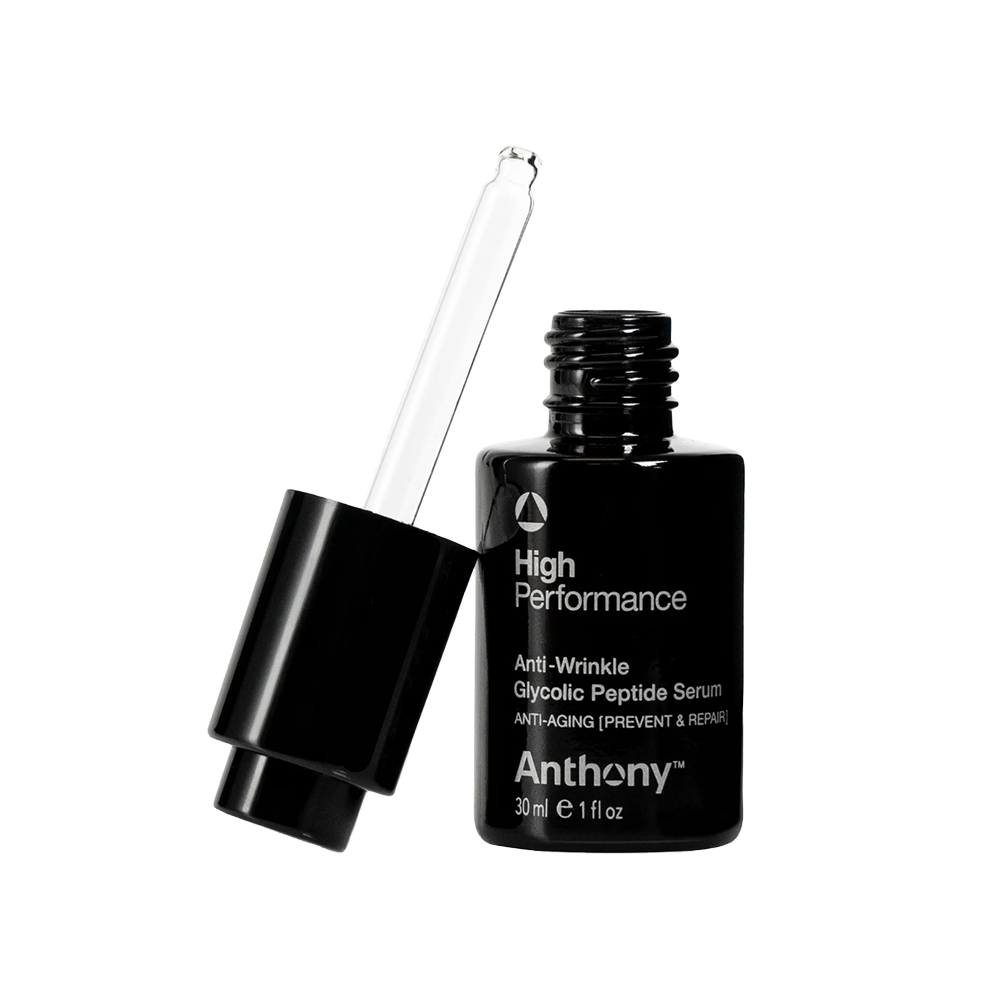
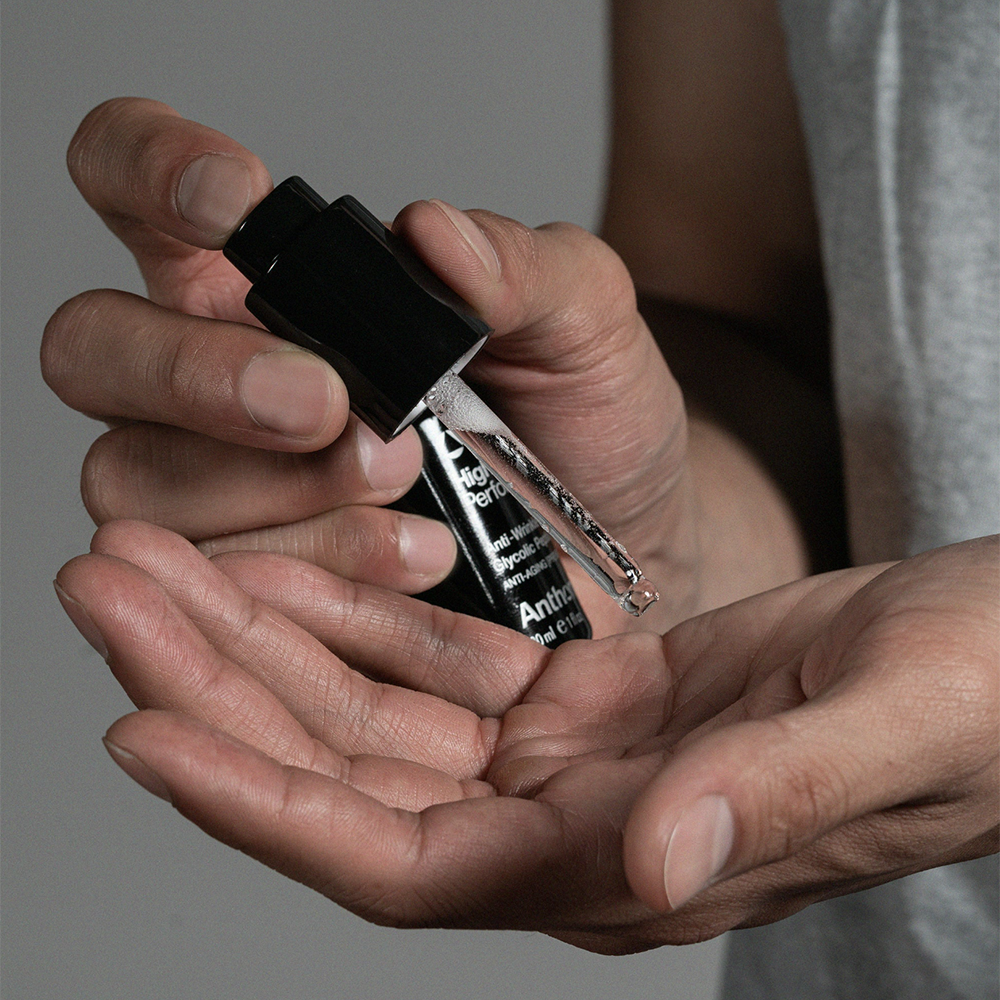
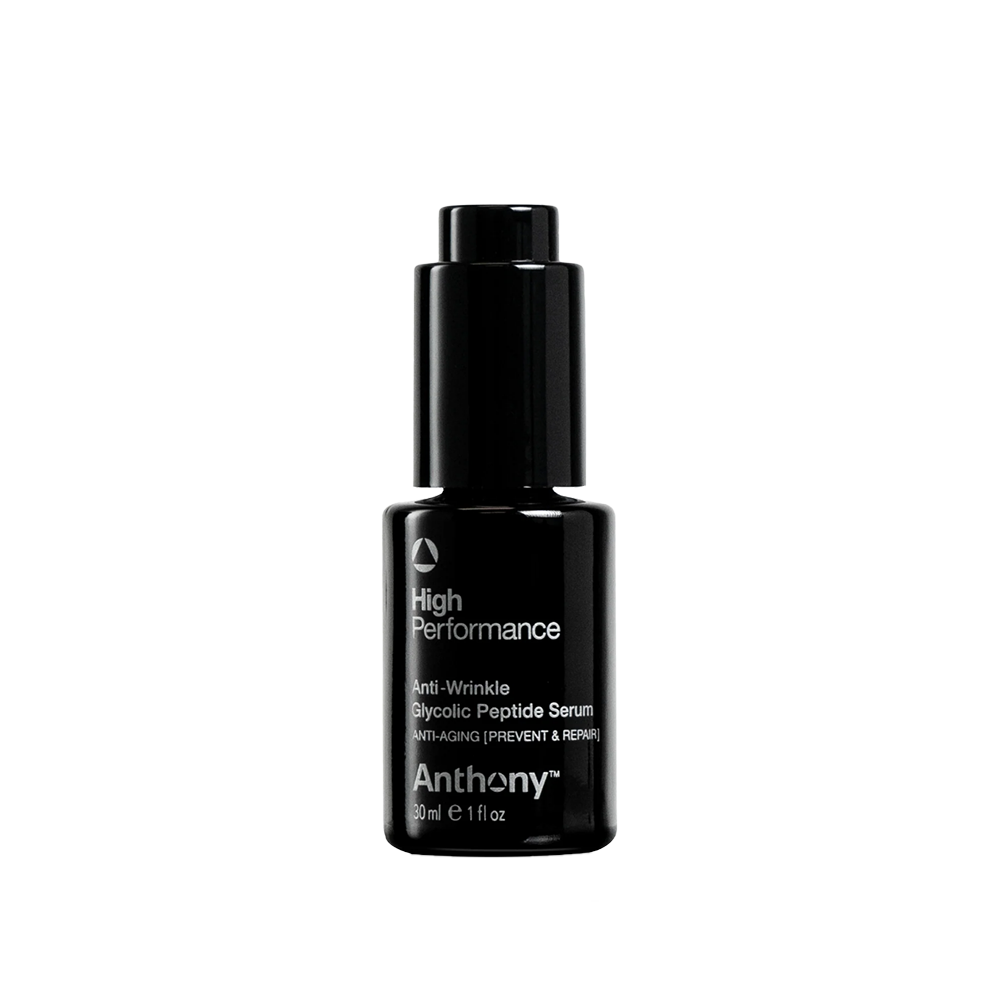
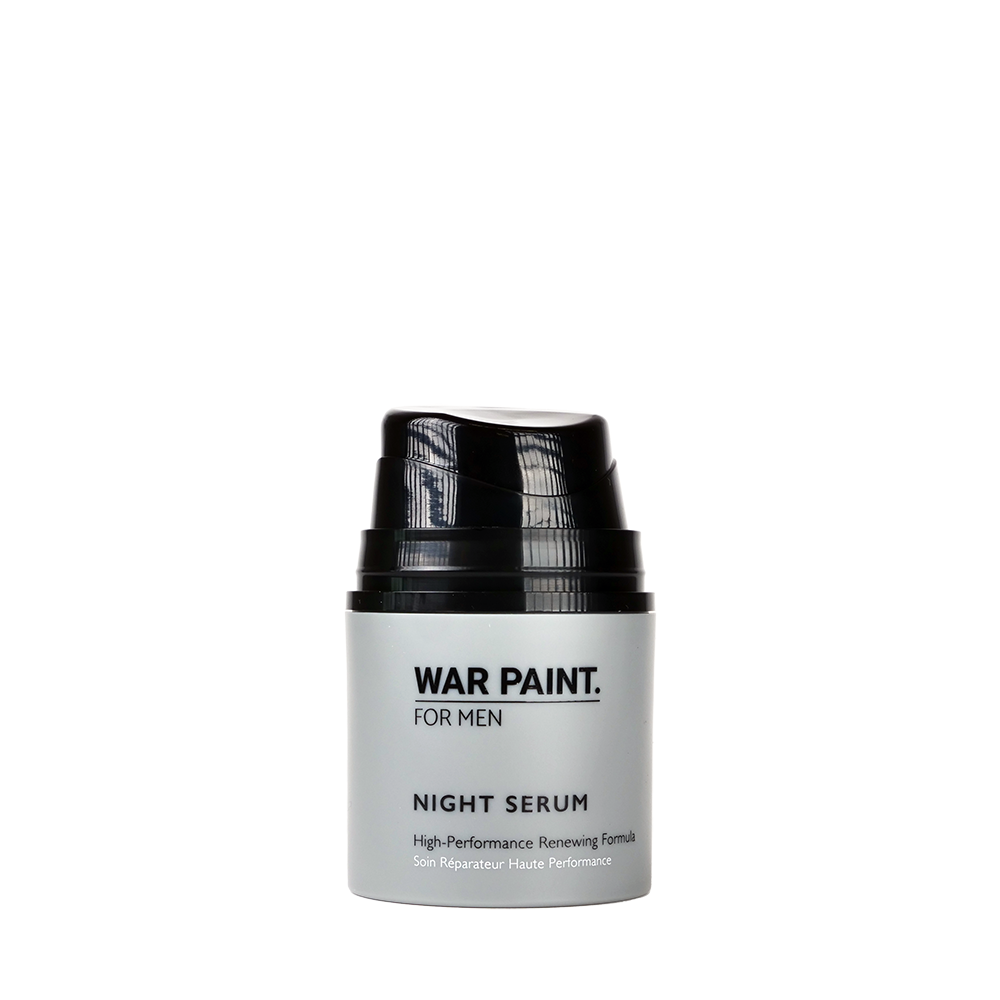
Men's Anti-Ageing Skincare — Targeted Treatment for Visible Results
Skin ageing is a combination of intrinsic processes — the gradual slowing of collagen production, cell turnover, and elastin synthesis that begins in the mid-twenties — and extrinsic damage, primarily from UV radiation, pollution, smoking, and chronic dehydration. The visible results accumulate over time: fine lines deepen into wrinkles, skin loses firmness and definition, texture becomes rougher, and the complexion loses the evenness and luminosity of younger skin. Anti-ageing skincare targets these mechanisms directly, not to stop the clock, but to slow the visible rate of change and address the concerns that have already appeared.
The most evidence-backed anti-ageing ingredients — retinol and its derivatives, vitamin C, peptides, niacinamide, and AHA exfoliants — are well-represented across our range from brands including Anthony, MenScience, Baxter of California, and Triumph & Disaster. These are not luxury additions to a skincare routine; they are functional actives with decades of clinical research supporting their effectiveness. Combined with daily SPF — the single most powerful anti-ageing intervention available — a consistent routine built around these ingredients delivers meaningful, measurable results. Free delivery across Australia on orders over $50.
Frequently Asked Questions
At what age should men start using anti-ageing skincare?
The most effective approach is preventive rather than corrective, which means starting earlier than most men do. The late twenties is when collagen production begins to decline measurably — a good time to introduce a vitamin C serum, a retinol, and consistent daily SPF. By the mid-thirties, adding peptide-based products and a dedicated eye cream makes increasing sense as early signs of volume loss and line formation begin. That said, it is never too late to start — even men in their fifties and sixties see meaningful improvement from introducing proven actives to their routine.
Does retinol actually work for men?
Yes — retinol (vitamin A and its derivatives) is the most extensively researched topical anti-ageing ingredient available without a prescription. It works by accelerating cell turnover, stimulating collagen production, and normalising the skin's renewal process. Results are measurable over 12–24 weeks of consistent use. Men's skin — being thicker than women's — can generally tolerate retinol well, though starting with a lower concentration (0.1–0.3%) and building up is recommended to avoid the initial purging and sensitivity that new users sometimes experience.
What is the difference between a wrinkle cream and a serum?
A serum is a lightweight, concentrated formula designed to deliver a high dose of specific active ingredients — retinol, vitamin C, peptides — into the skin. It is applied before moisturiser. A wrinkle cream is a richer, more emollient product that combines active ingredients with moisturising and barrier-supporting components — often more suitable as an all-in-one for men who prefer a simpler routine. For maximum anti-ageing efficacy, serum followed by moisturiser delivers more concentrated active ingredient contact with the skin.
Is sunscreen really the best anti-ageing product?
Yes — unequivocally. UV radiation is responsible for approximately 80% of visible facial ageing. No retinol, no peptide cream, and no serum can undo cumulative sun damage as effectively as preventing it in the first place. Daily SPF 30+ applied every morning is the single intervention with the most evidence behind it for long-term skin quality preservation. Every other anti-ageing product works better when it does not have to compete with ongoing UV damage. Browse our sun care range to find your daily SPF.