Beard Combs + Brushes

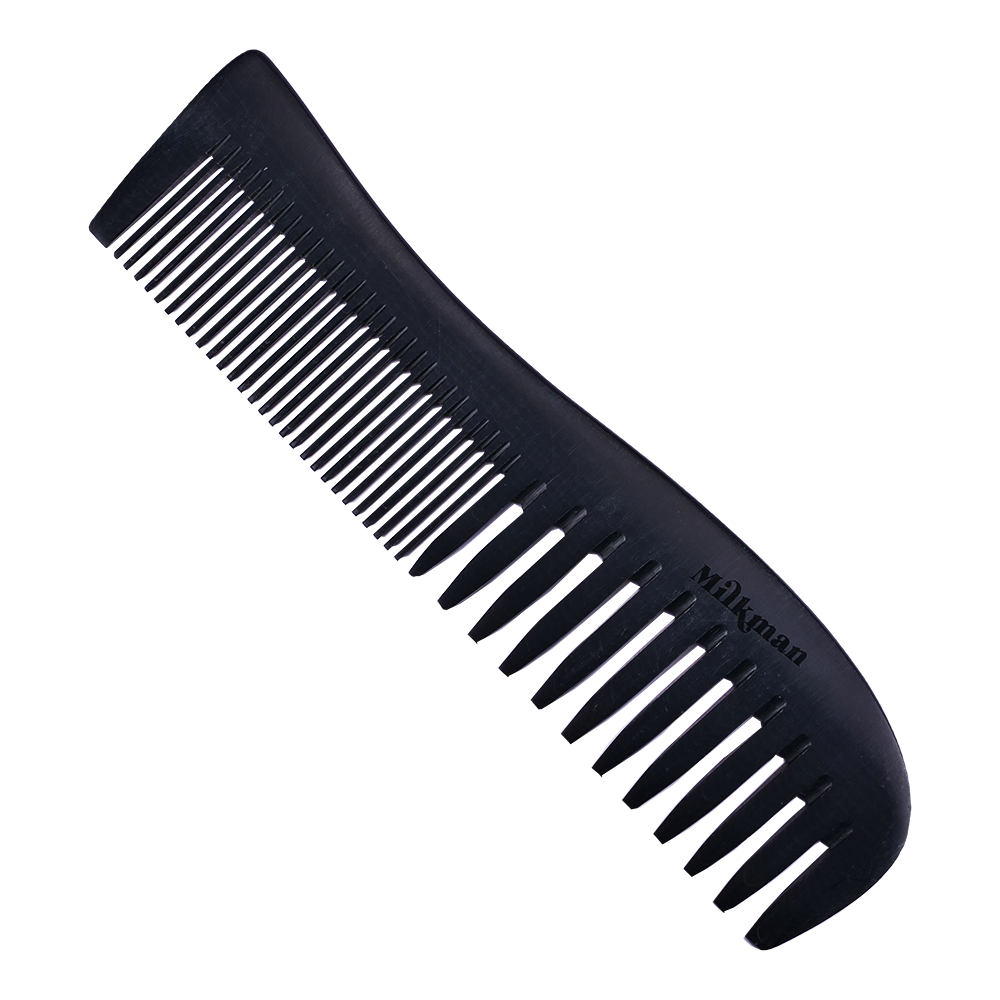
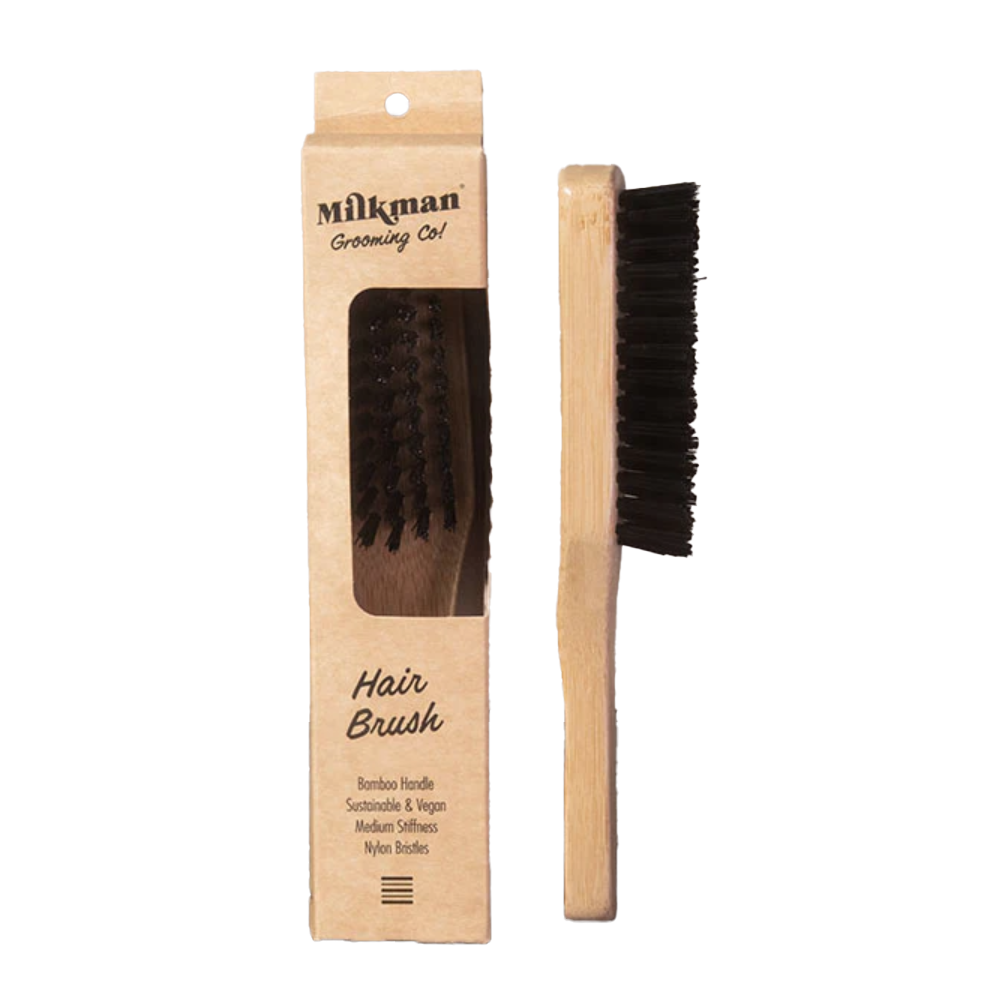
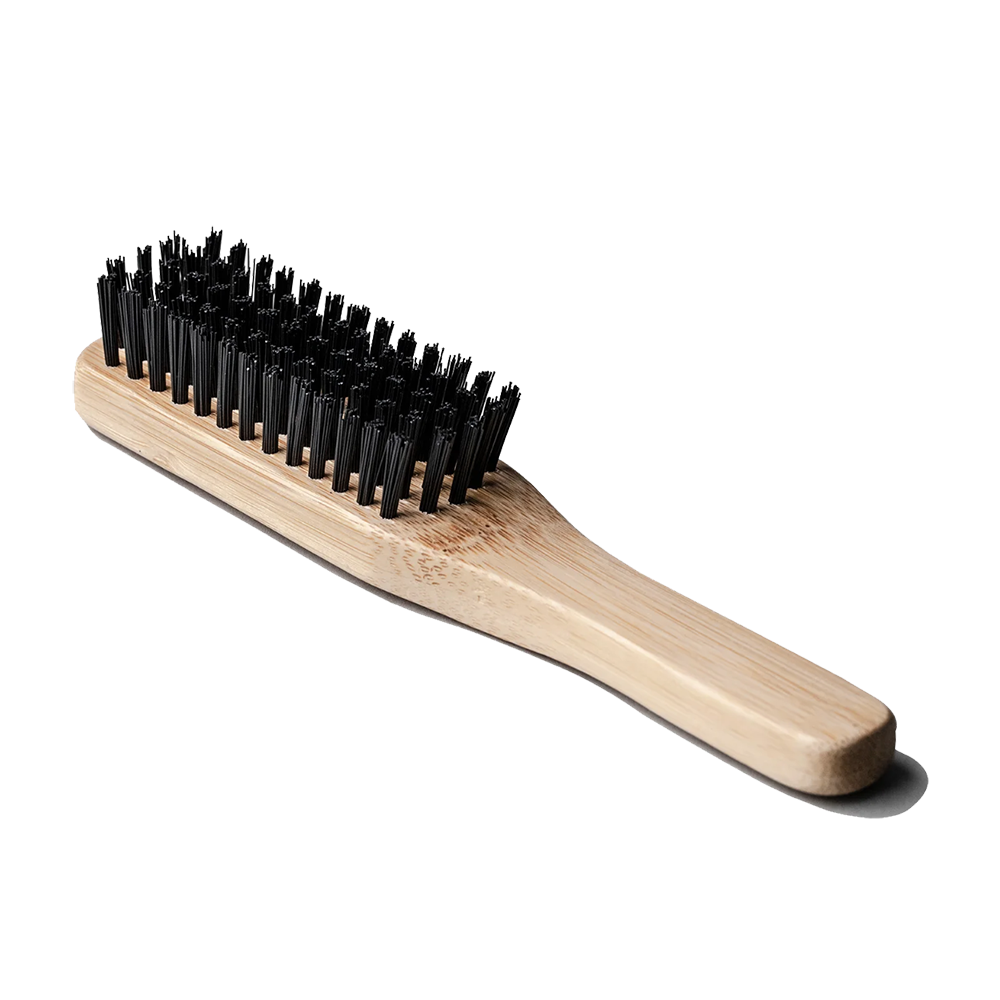
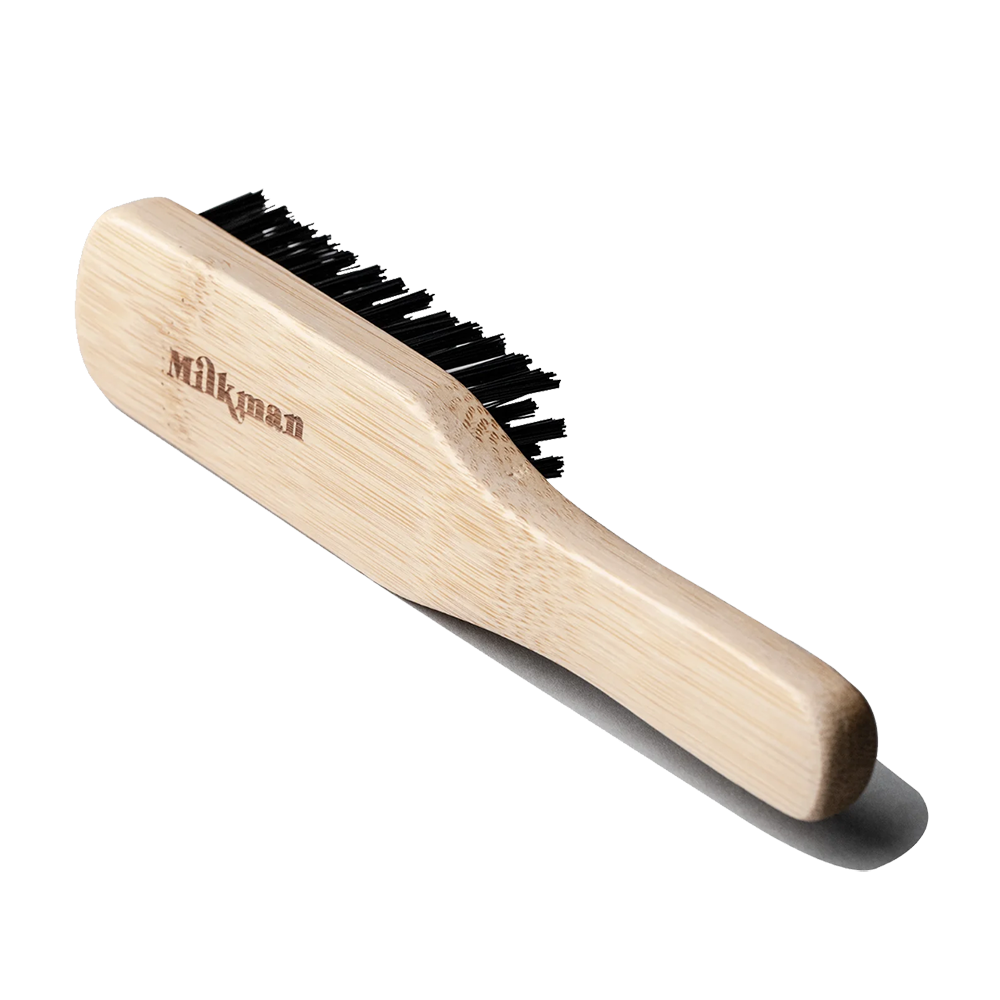
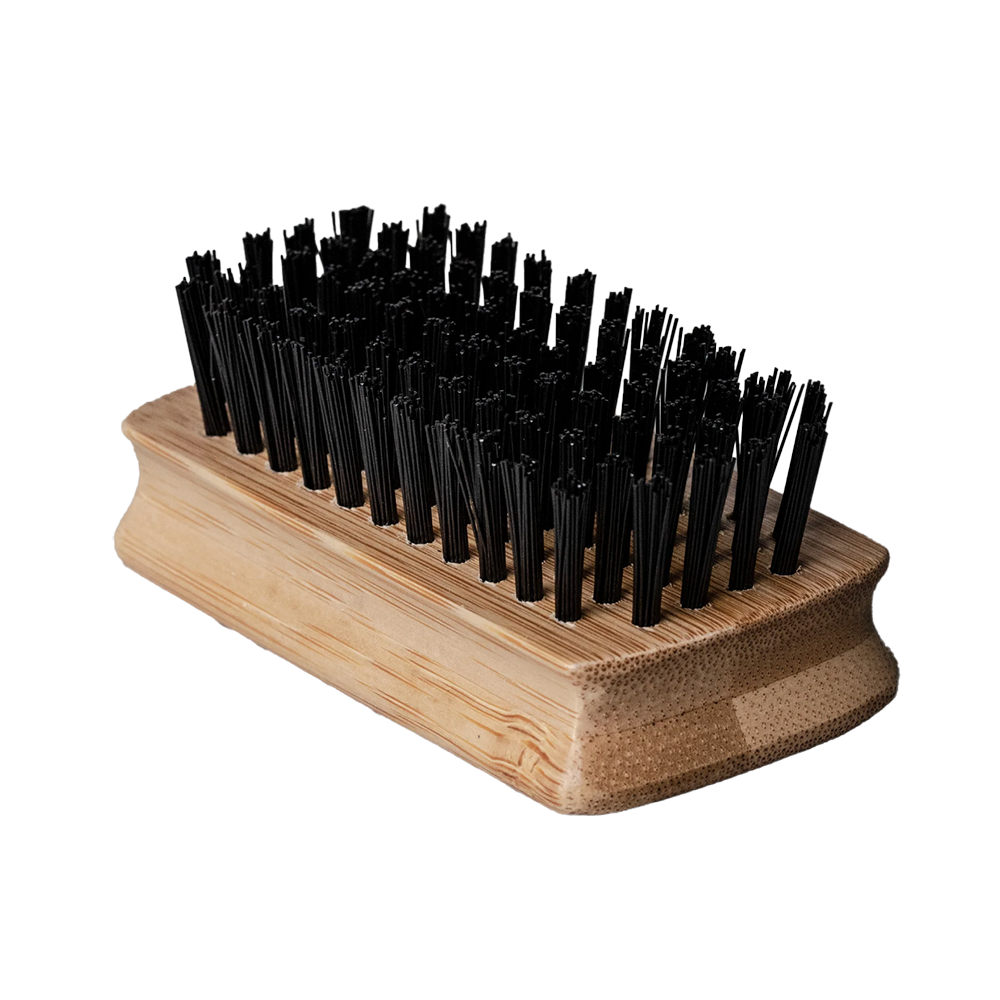
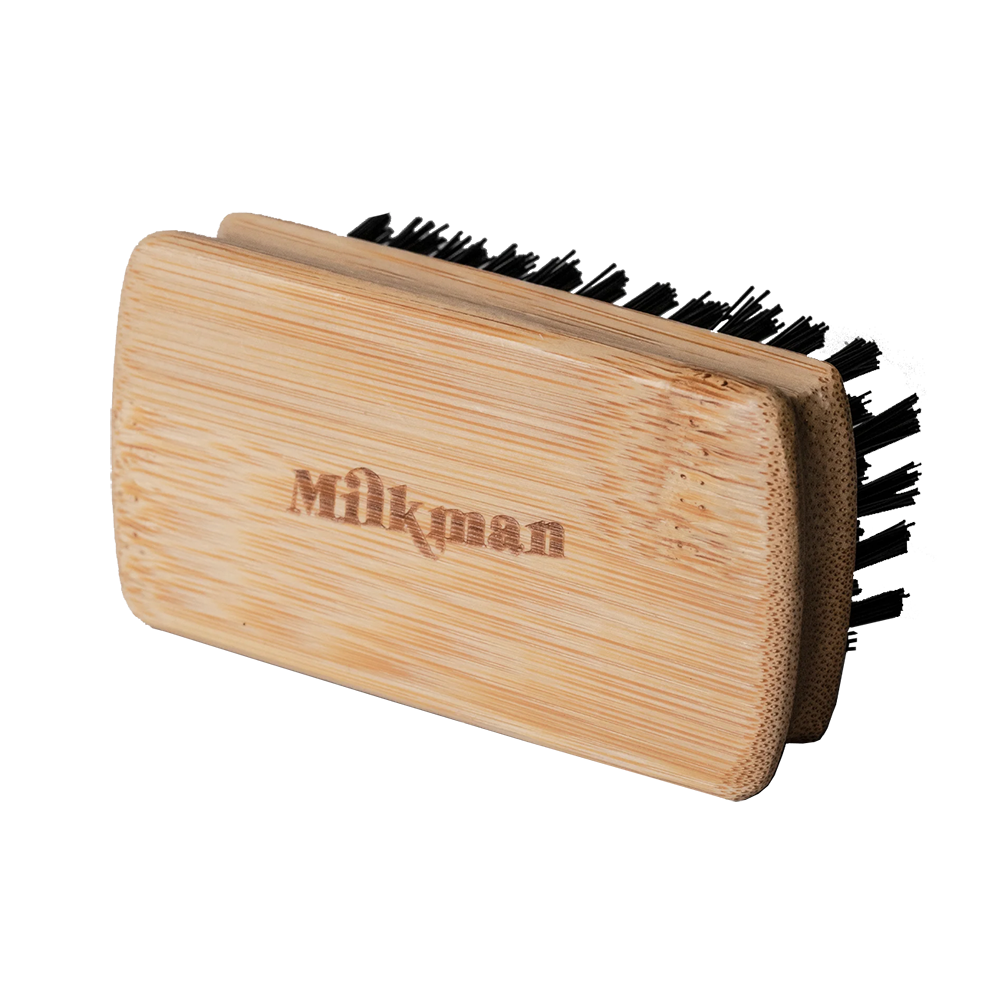
Beard Combs & Brushes — Train, Shape and Distribute Your Beard
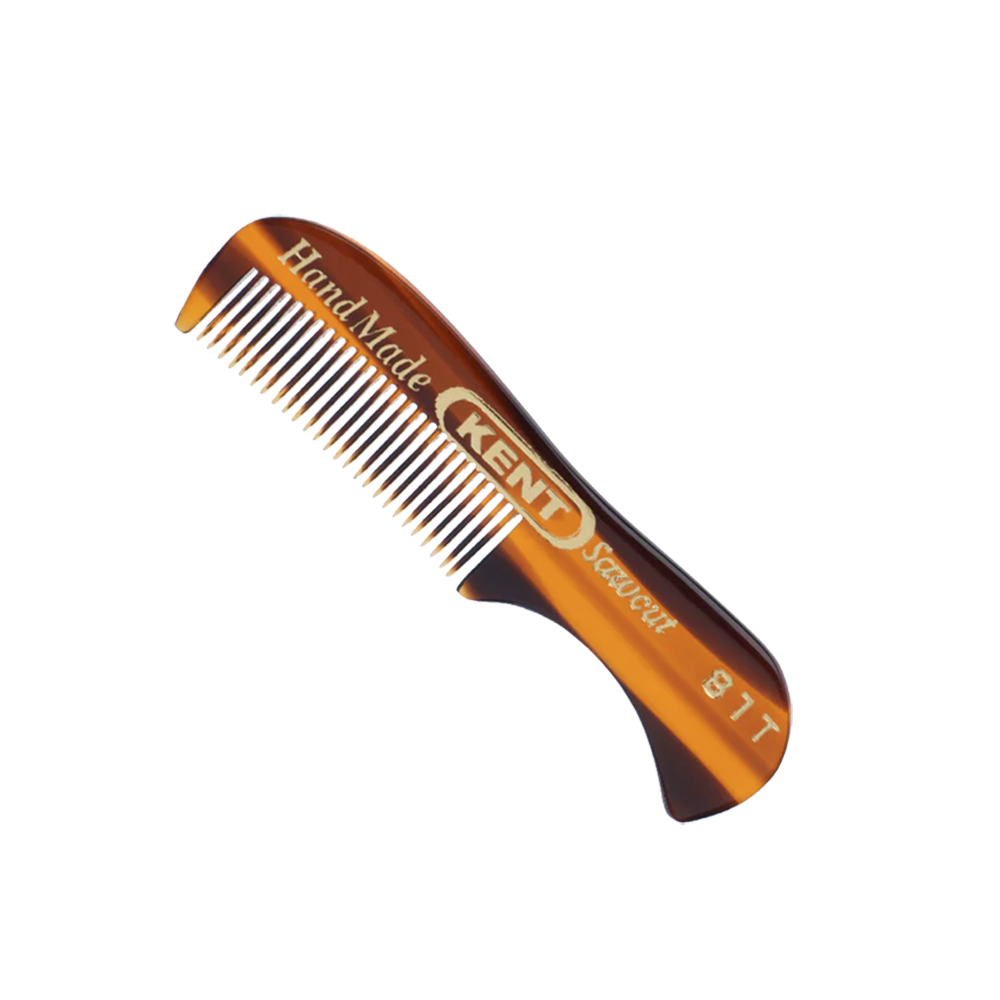
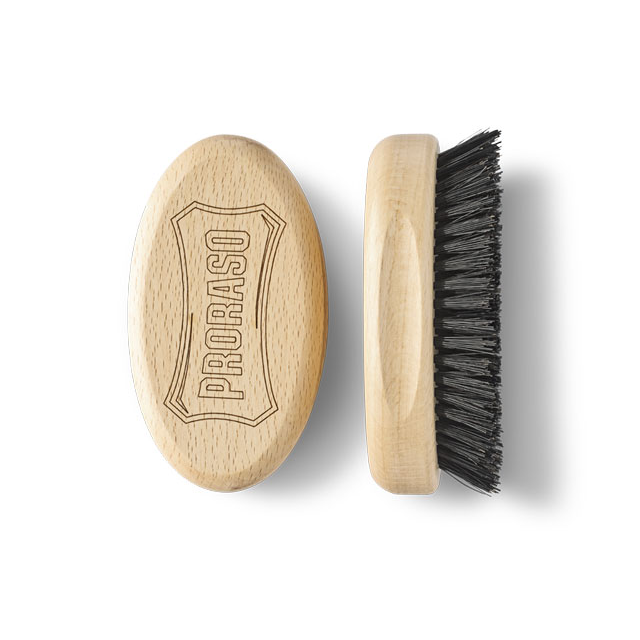
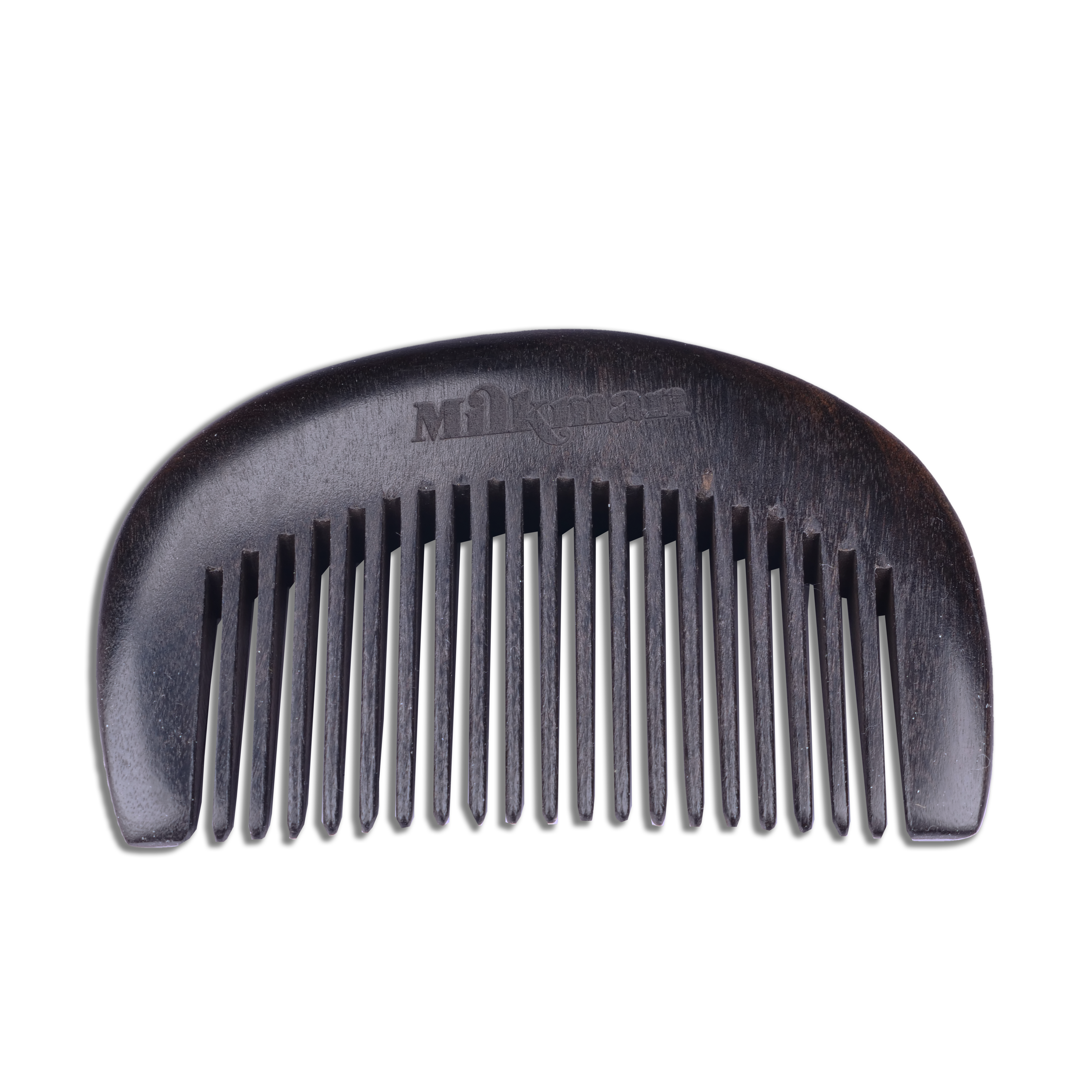
A beard comb and beard brush are the two most fundamental tools in any beard care kit — and they serve genuinely different purposes that make both worth owning for men with beards longer than a centimetre or two. A beard comb detangles, distributes product evenly through the beard, and is the precision tool for shaping and styling. A beard brush trains the beard hair to grow in a consistent direction, exfoliates the skin beneath, and produces the smooth, uniform surface appearance that distinguishes a well-groomed beard from an unruly one. Used together daily, they are the physical foundation of beard care — no amount of product fully compensates for their absence.
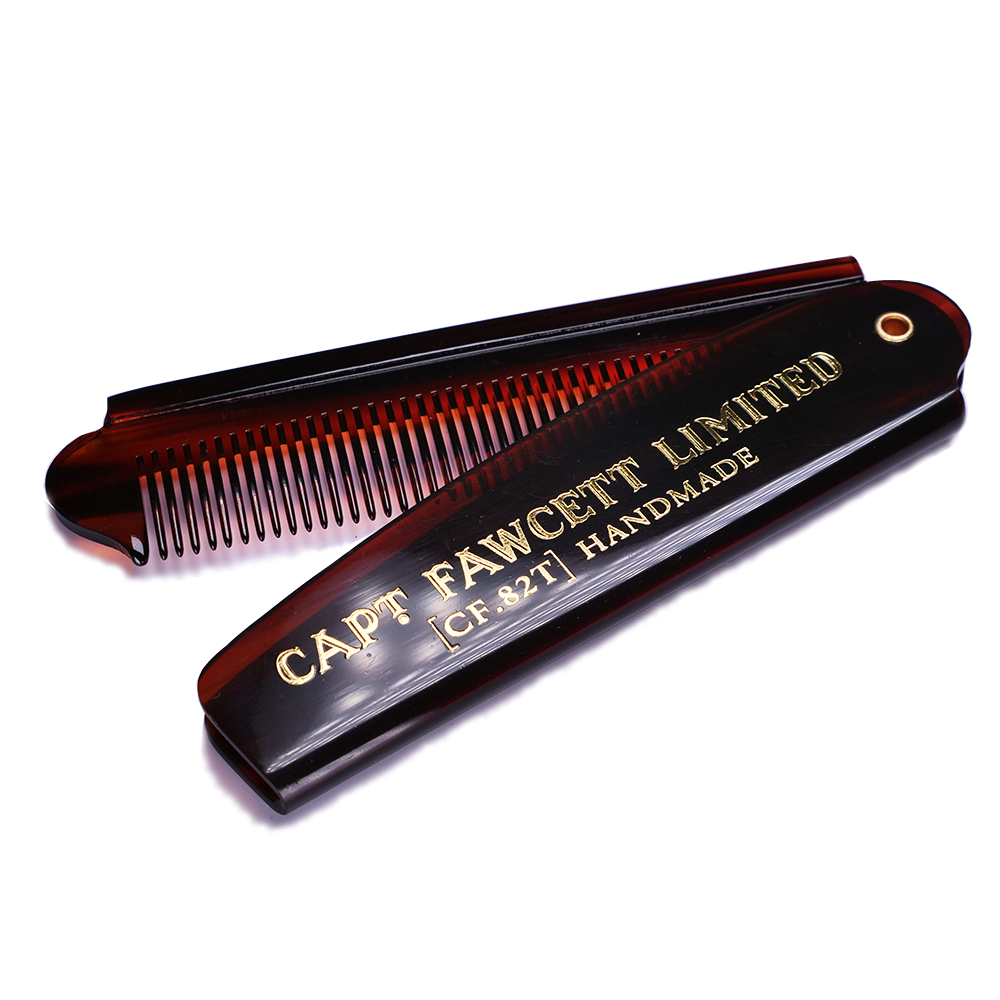
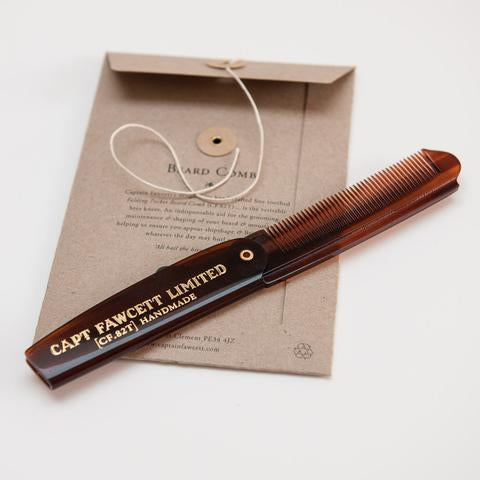
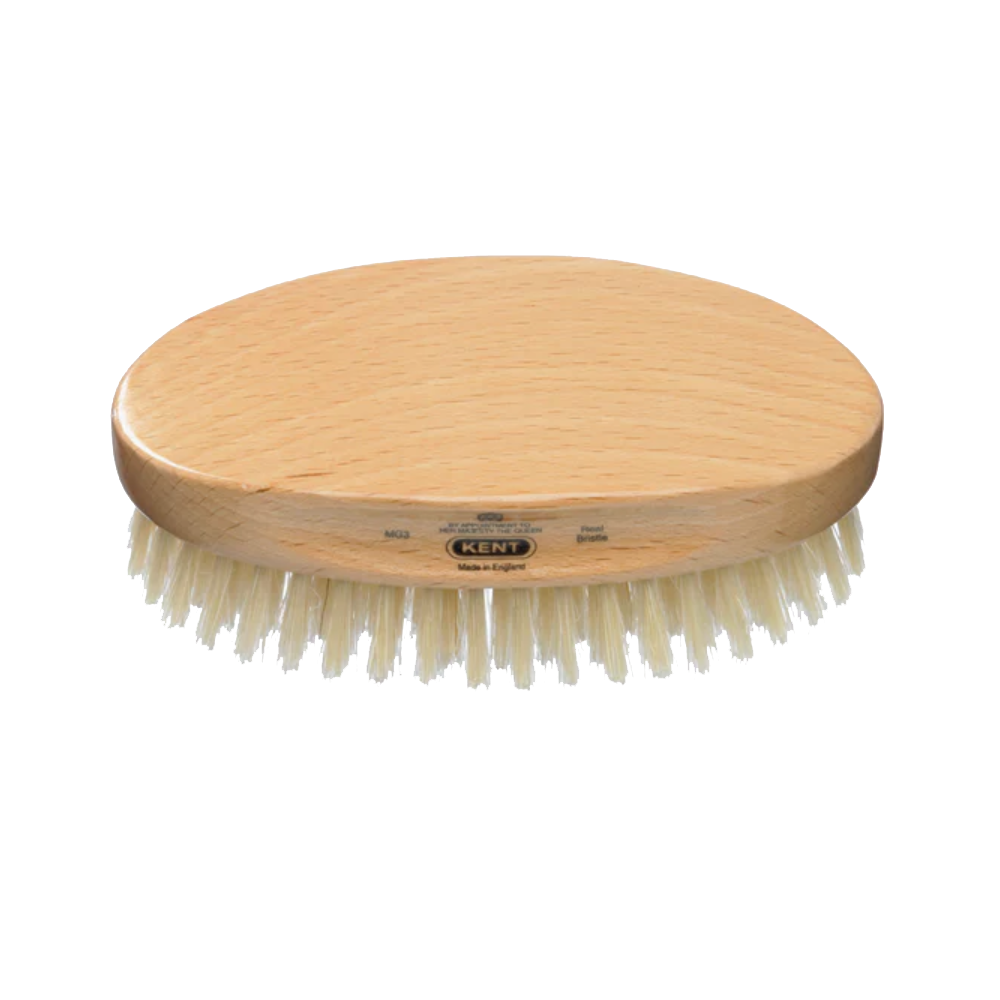
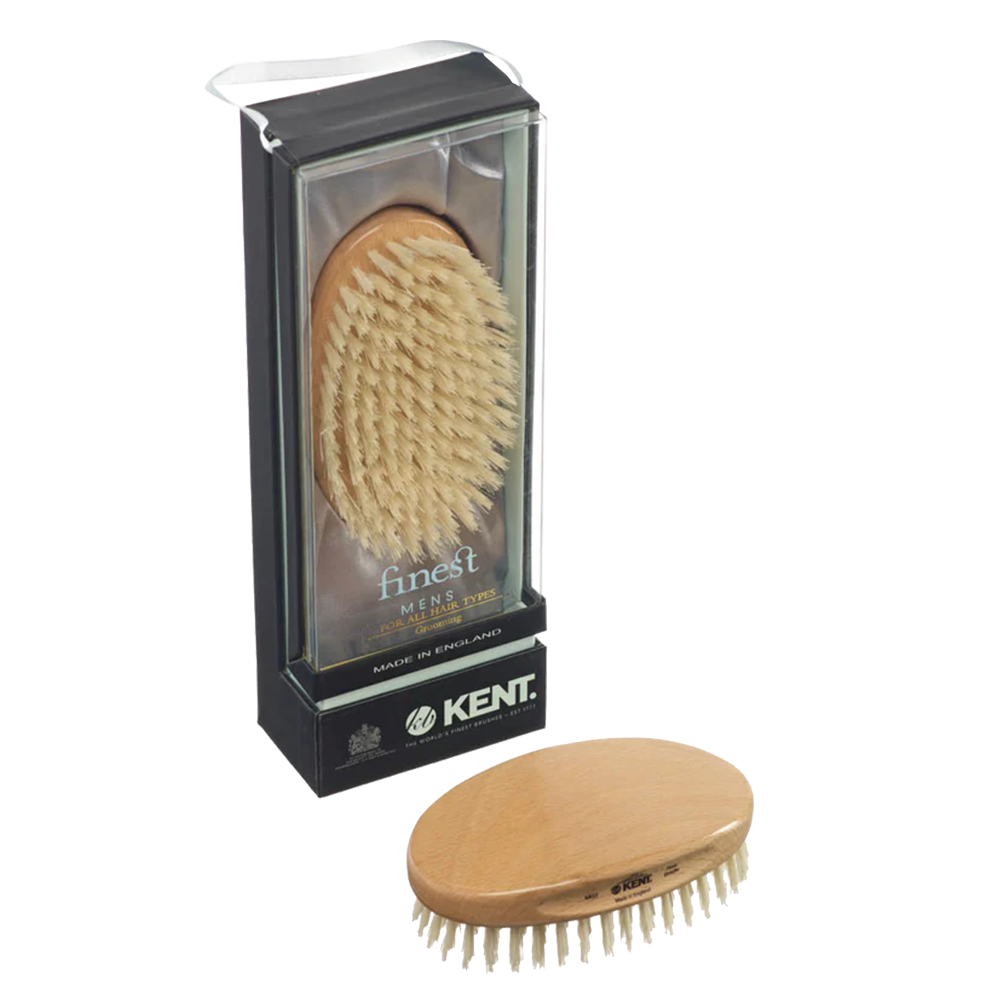
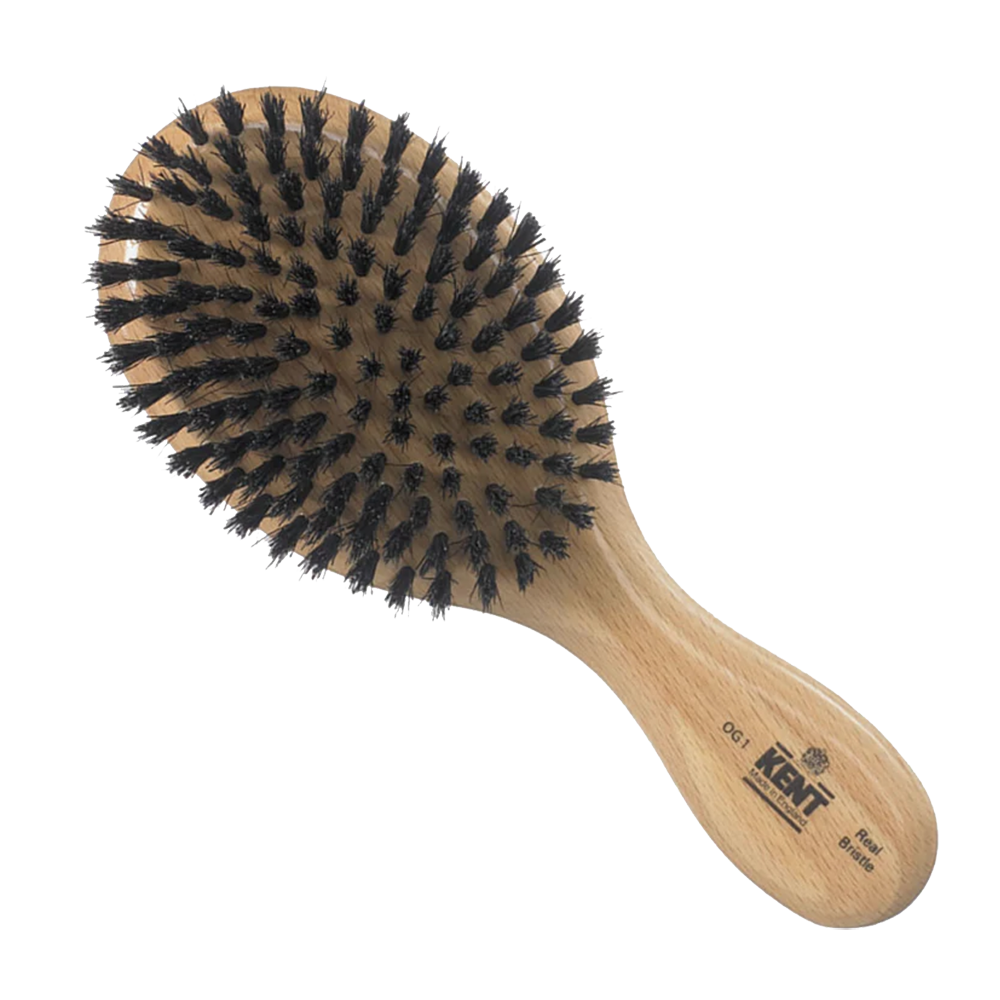
Quality matters significantly with both tools. A cheap plastic comb with moulded seams tears and splits beard hair at the seam lines — a hand-cut or saw-cut comb with smooth tines causes no such damage. A beard brush with natural boar bristle distributes the beard's own natural oils from root to tip while training the hair direction — synthetic bristle brushes lack this oil-distributing property. Our range covers handmade combs in wood, horn, and acetate, and brushes with genuine boar bristle, from brands including Captain Fawcett, Kent, and more. Free delivery across Australia on orders over $50.
Frequently Asked Questions
What is the difference between a beard comb and a beard brush?
A beard comb is used for detangling, distributing products evenly through the beard, shaping, and precision styling — the tines separate individual hairs and allow you to direct them precisely. A beard brush uses bristles to train the beard hair to lie in a consistent direction, smooth the surface of the beard, and distribute natural oils and applied products from root to tip. For daily use, a brush is typically used first to smooth and train, and a comb used after product application to define and shape. Both are useful; together they cover the full range of beard grooming needs.
Should a beard comb be wood, horn, or plastic?
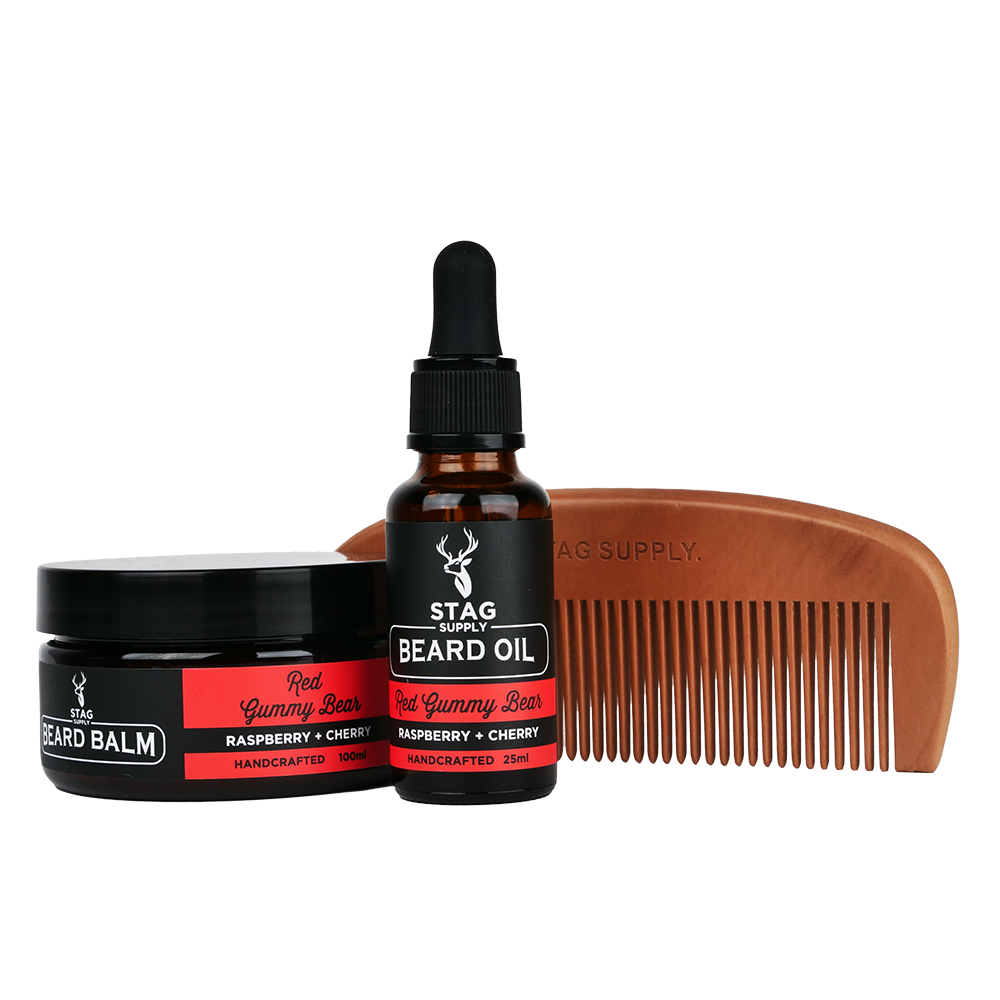
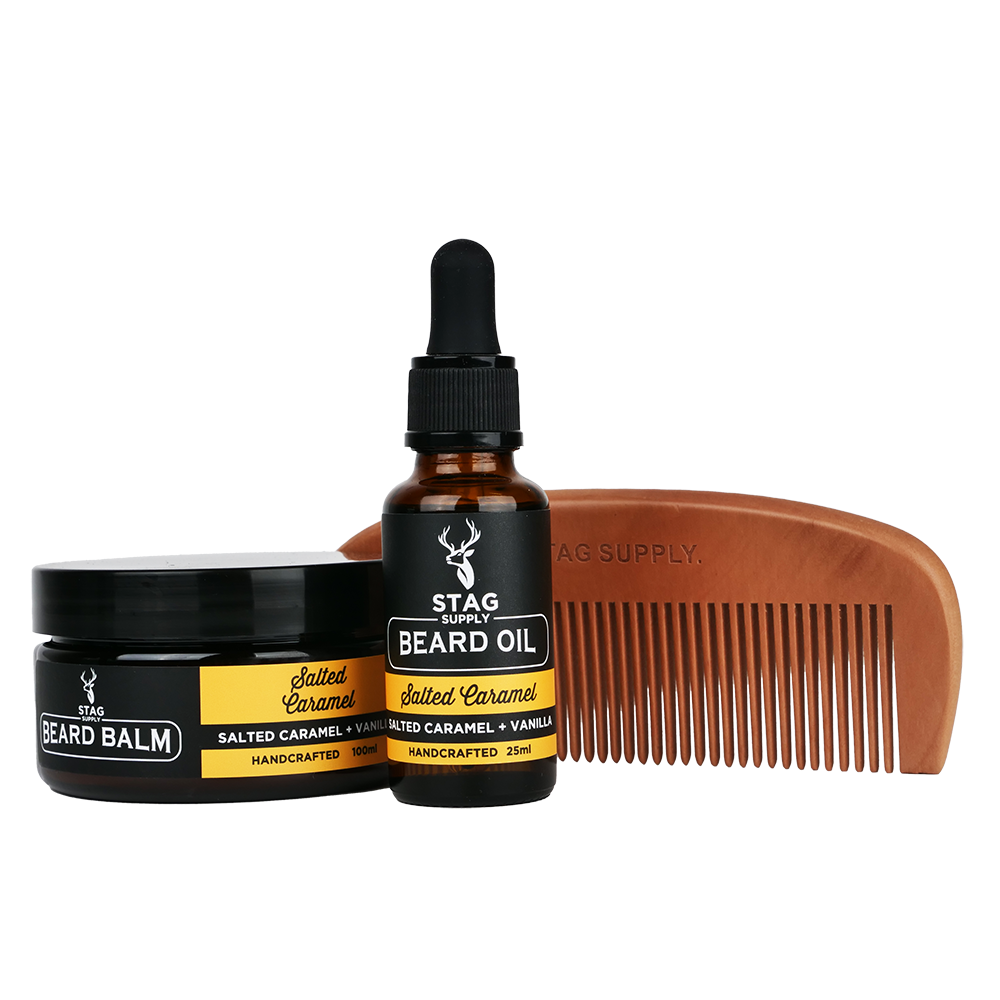
Material matters for how the comb interacts with beard hair. Plastic combs moulded in two halves have a seam between the tines that catches and tears beard hair — they are the worst option for beard health despite being common. Cellulose acetate and hand-cut plastic combs without seams are acceptable. Wood combs are gentle on hair, naturally anti-static, and often treated with conditioning oils during manufacturing — a very good everyday option. Horn combs are the traditional premium choice — naturally anti-static, extremely smooth, and extraordinarily durable.
How do I use a beard brush correctly?
Start by brushing against the grain — from tip to root, upward against the direction of growth — to lift the hairs and exfoliate the skin beneath. Then brush with the grain — downward and outward in the direction you want the beard to grow — to train the hairs and smooth the surface. This two-step motion is the foundation of beard training. Apply your beard oil or balm after this initial brushing, then use the brush to distribute the product evenly through the beard before finishing with a comb for shaping. Daily repetition trains the beard to grow in a consistent, intentional direction over weeks.
How do I clean a beard comb or brush?
Remove accumulated hair from the brush by working a comb through the bristles. For a deeper clean, wash the brush monthly in lukewarm water with a small amount of gentle shampoo — avoid submerging a wooden brush handle as this can cause the wood to crack or warp. Rinse thoroughly and allow to dry bristle-side down or on its side. Wood combs should be wiped with a slightly damp cloth rather than immersed in water. Acetate and horn combs can be washed in mild soapy water and dried thoroughly. Never use hot water on natural bristle brushes as it can damage the bristle set.