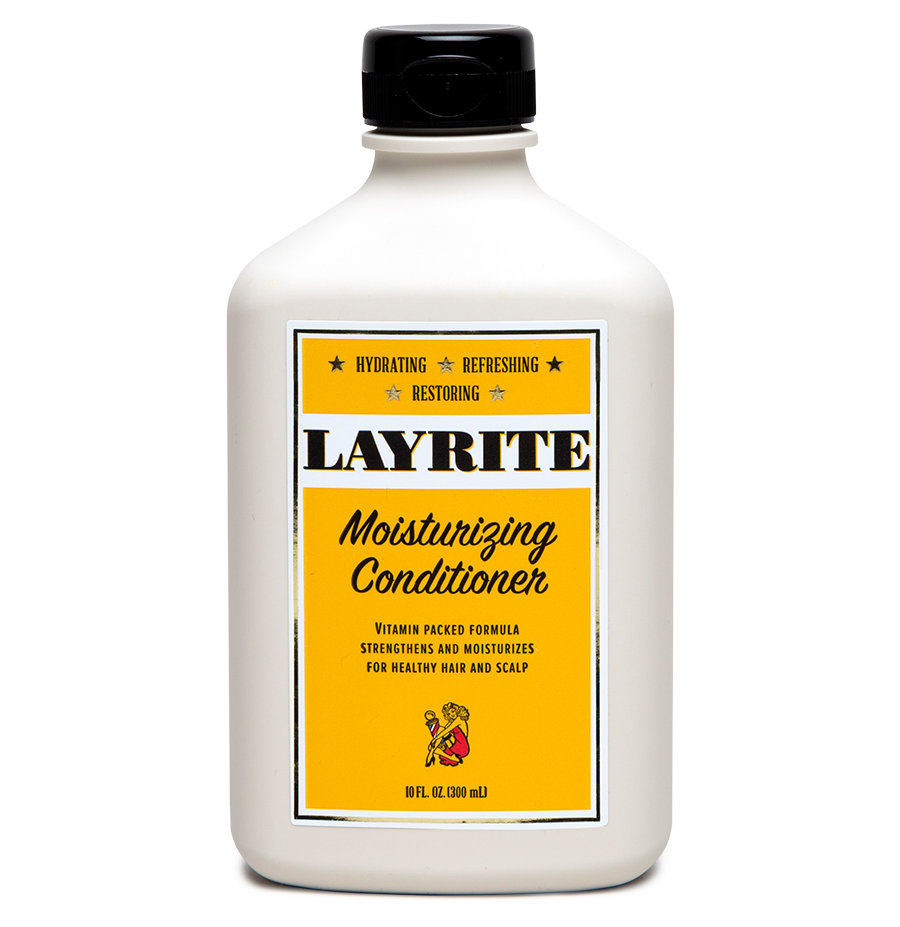
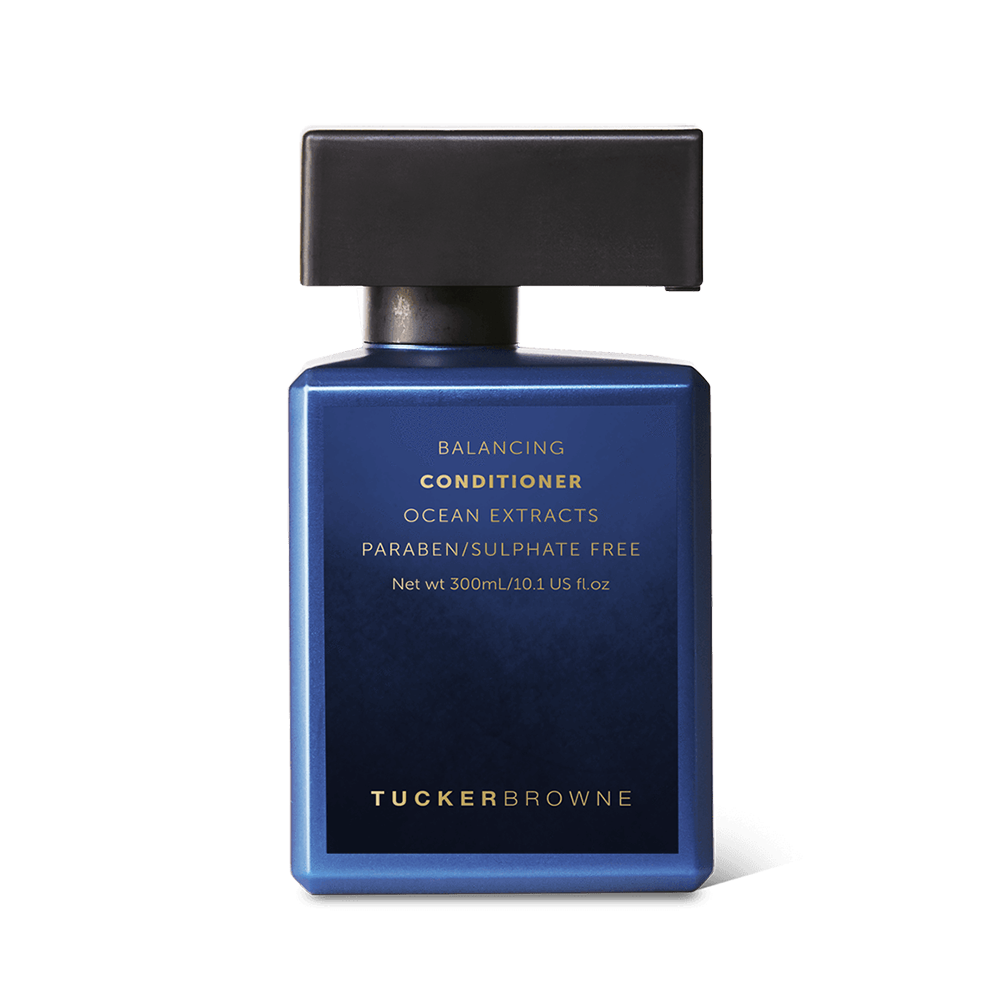
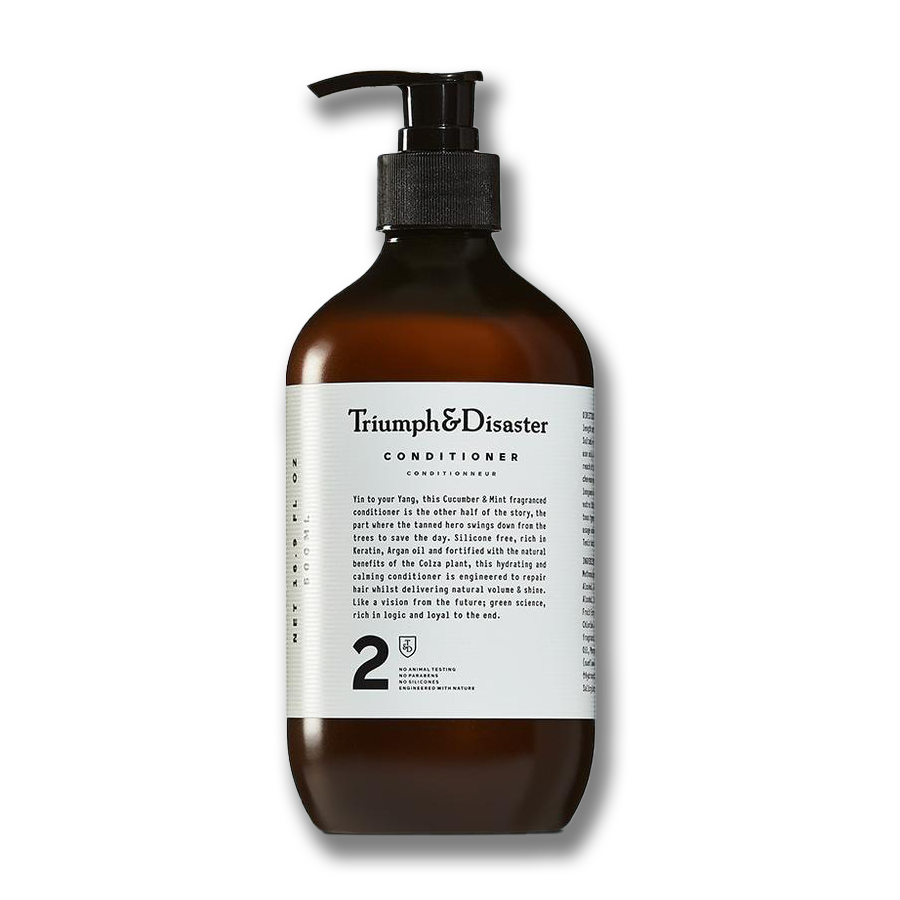
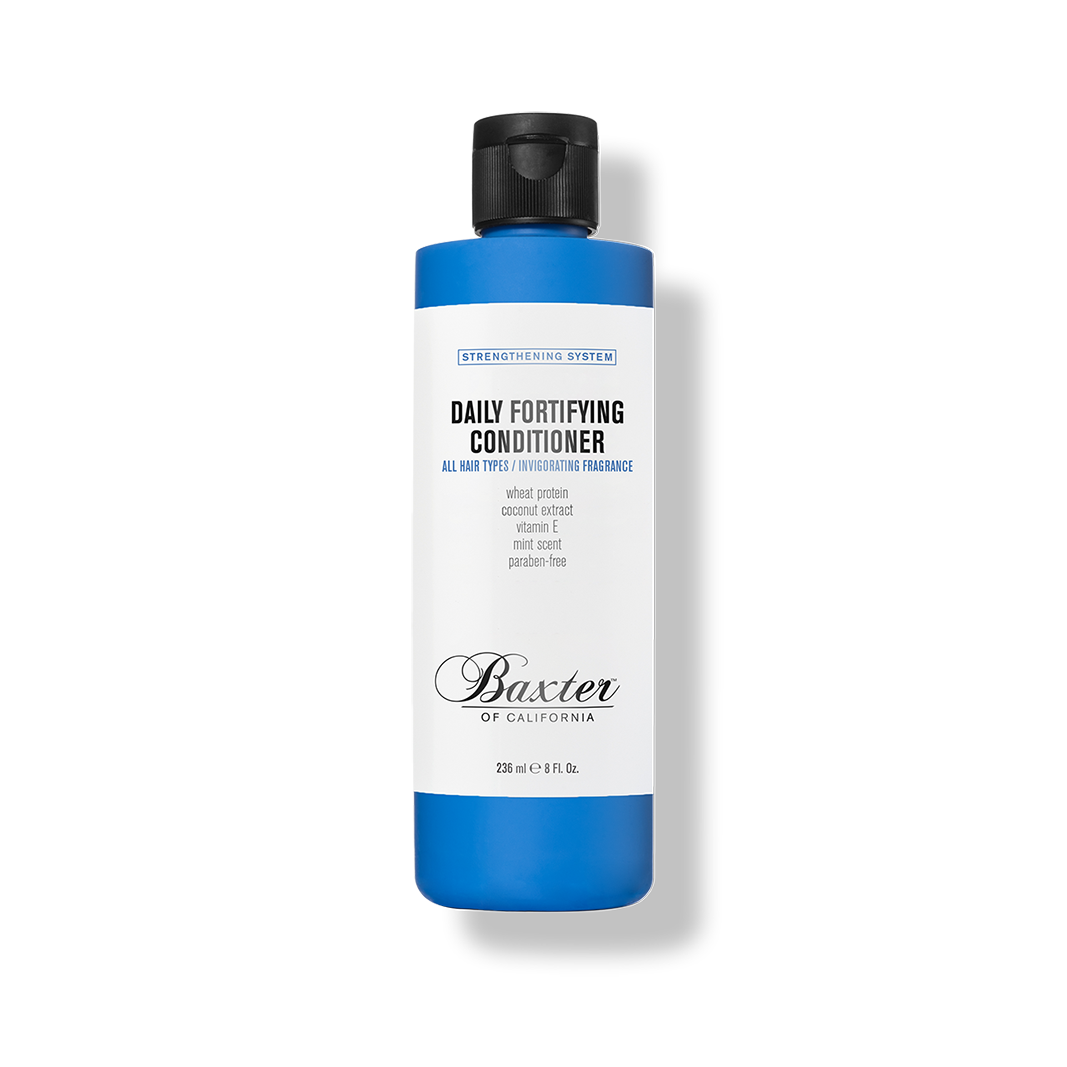
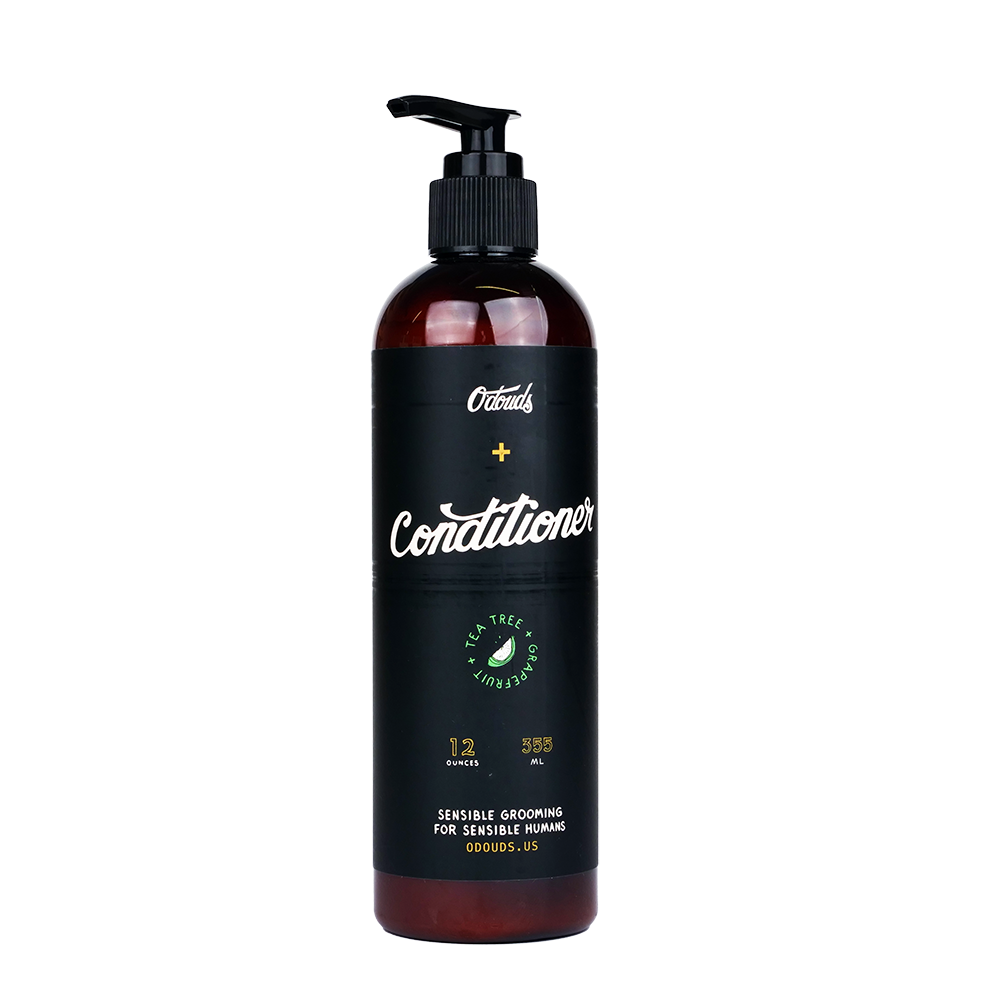
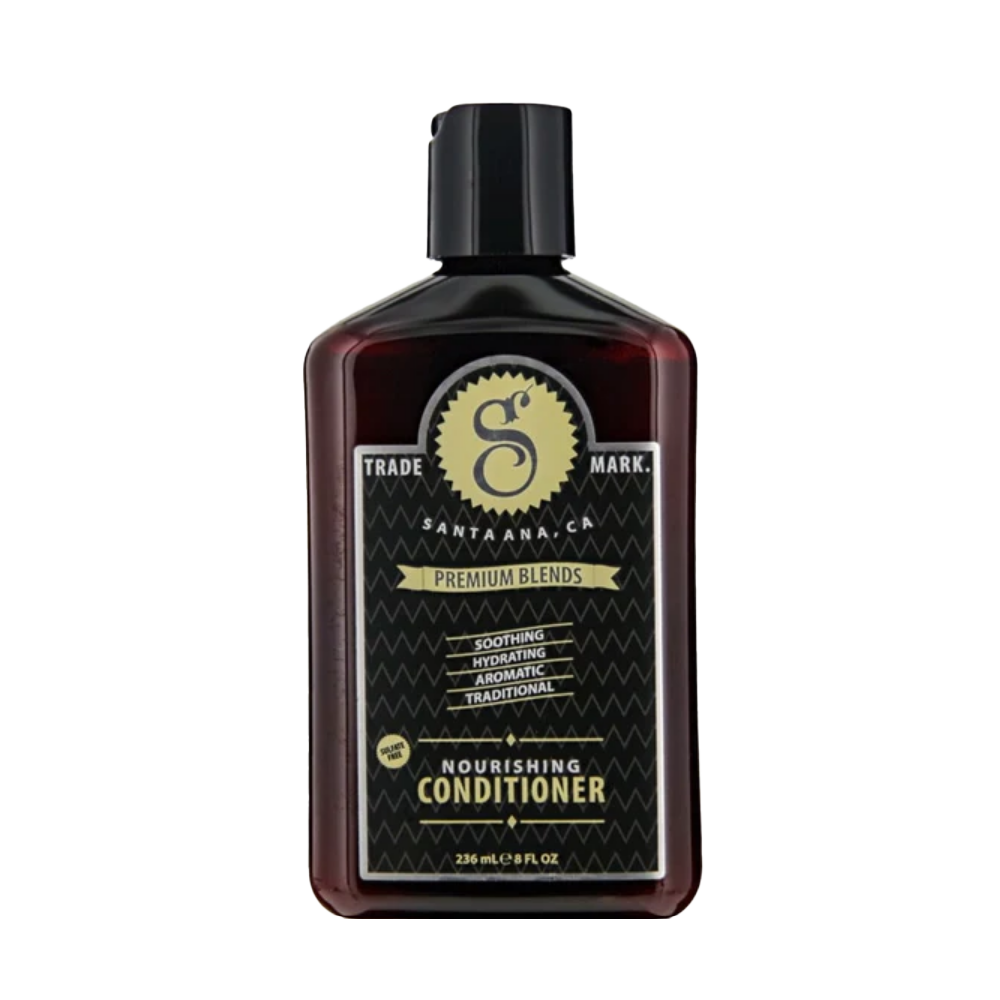
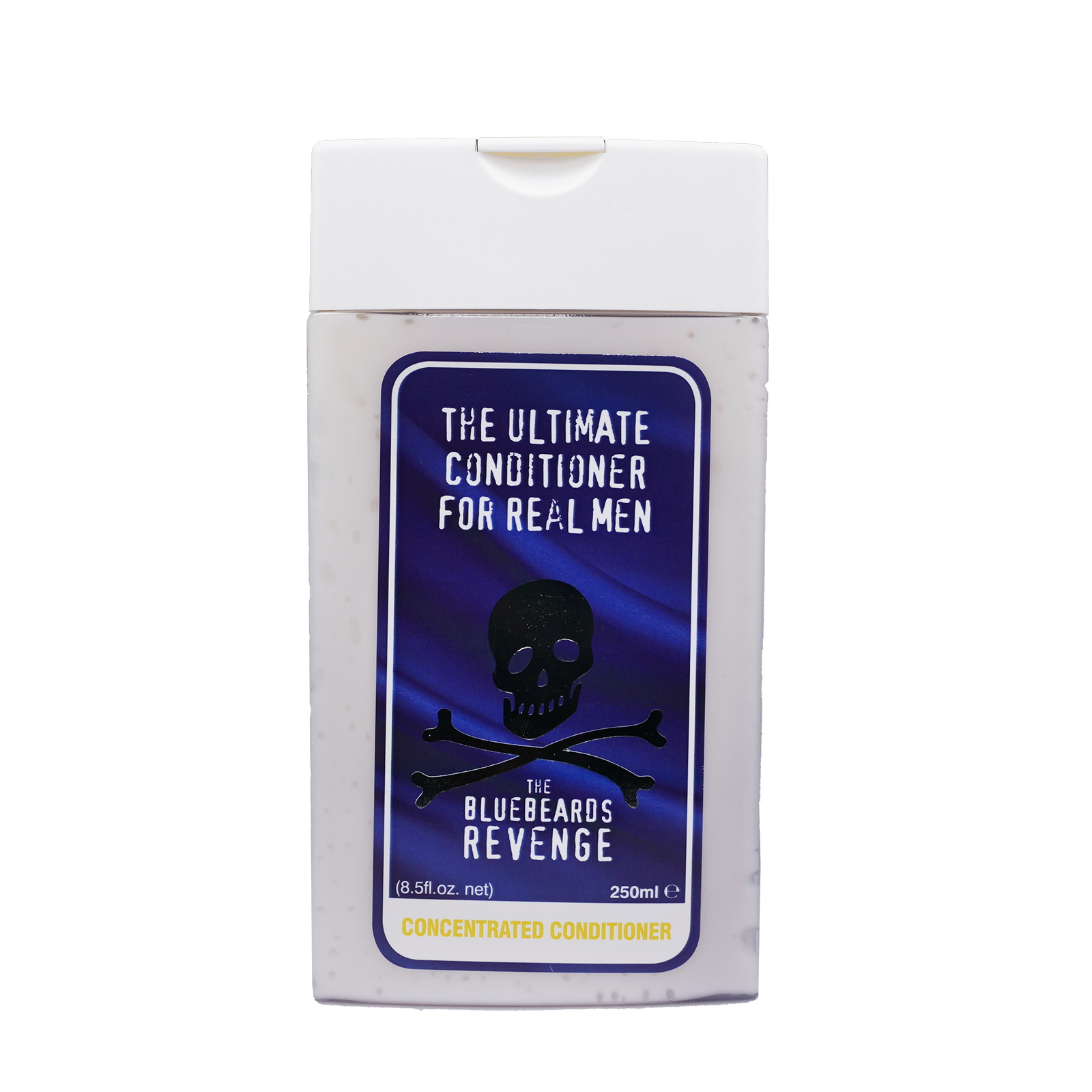
Men's Hair Conditioner — Smoother, Stronger, More Manageable Hair
Hair conditioner is the step that most men skip — and the absence of it is often directly responsible for the dryness, frizz, rough texture, and poor manageability that makes hair hard to style consistently. Shampooing cleans effectively but temporarily disrupts the hair's protective cuticle layer, leaving hair porous, rough to the touch, and prone to tangling. Conditioner restores the cuticle to a smooth, sealed state using cationic conditioning agents that bond to the hair surface, leaving it soft, manageable, and significantly more cooperative during styling.
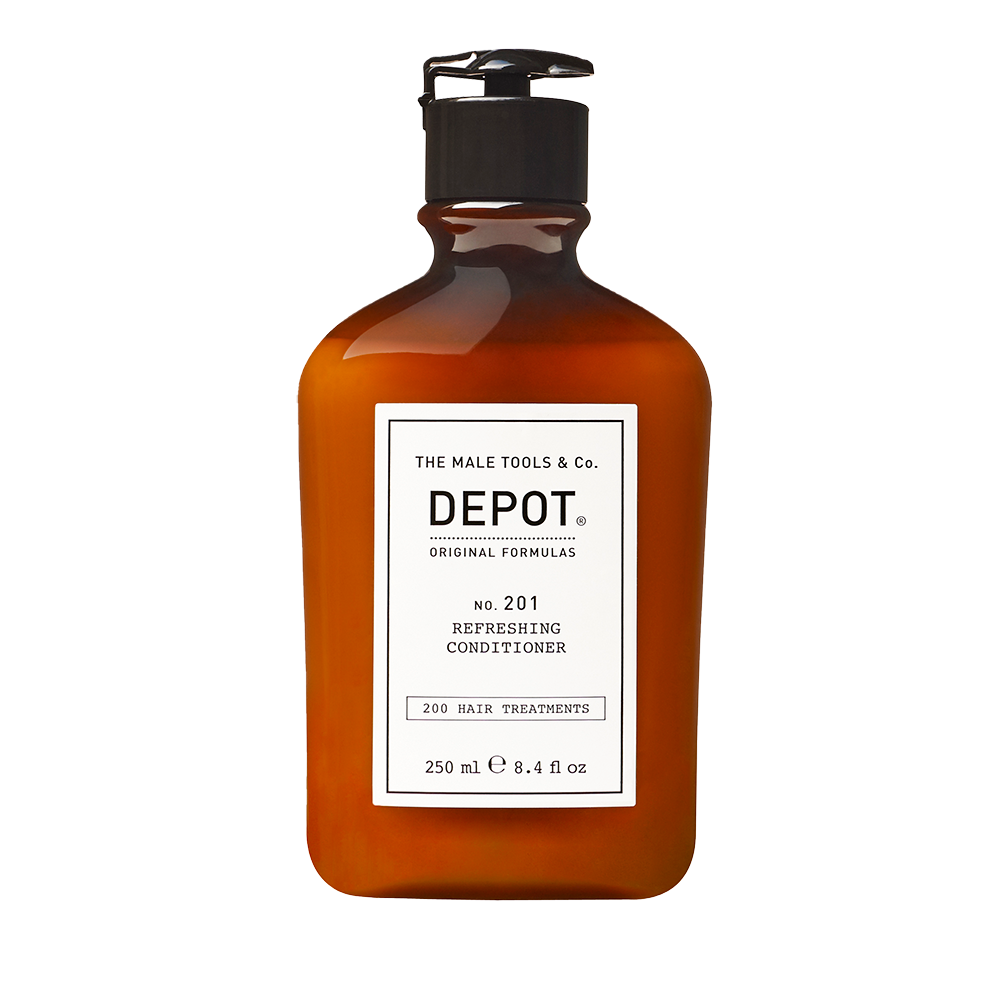
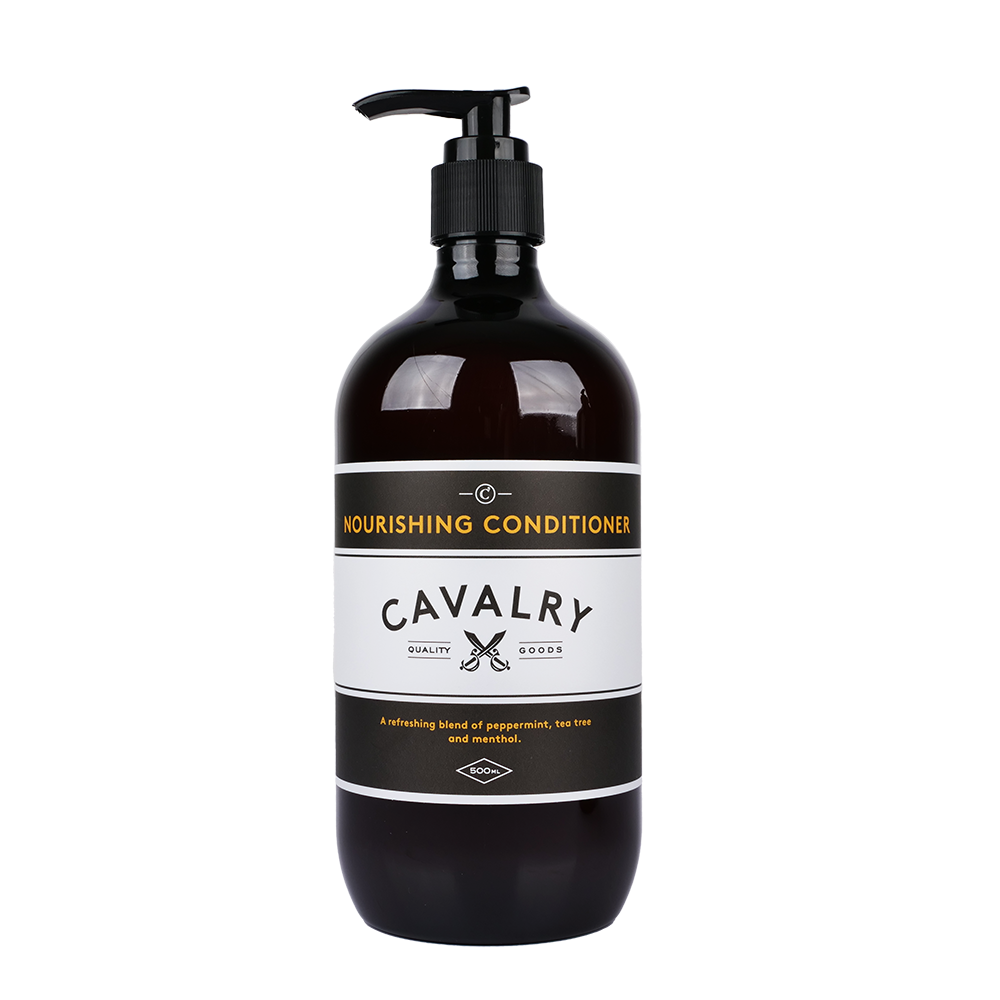
The right conditioner for your hair type makes the difference between hair that fights back and hair that behaves. Fine hair needs a lightweight, volumising conditioner that conditions without weighing hair down. Thick, coarse, or curly hair needs richer conditioning to tame frizz and improve texture. Dry or damaged hair benefits from deeply moisturising formulas with reparative ingredients like keratin, argan oil, or protein complexes. Our range from Depot Male Tools, Baxter of California, Triumph & Disaster, and more covers every hair type and concern. Free delivery across Australia on orders over $50.
Frequently Asked Questions
Does men's hair really need conditioner?
Yes — for any hair longer than a centimetre or two. The idea that conditioner is unnecessary for men is a persistent myth that leads to chronically dry, rough, harder-to-style hair. Men's hair is subject to the same physical damage as women's hair — UV exposure, heat styling, chemical treatments, mechanical stress from towel drying and brushing — and benefits equally from the cuticle-smoothing and moisture-restoring properties of a quality conditioner. The result is immediately apparent: softer, smoother hair that is significantly easier to style and holds product better.
How do I use hair conditioner correctly?
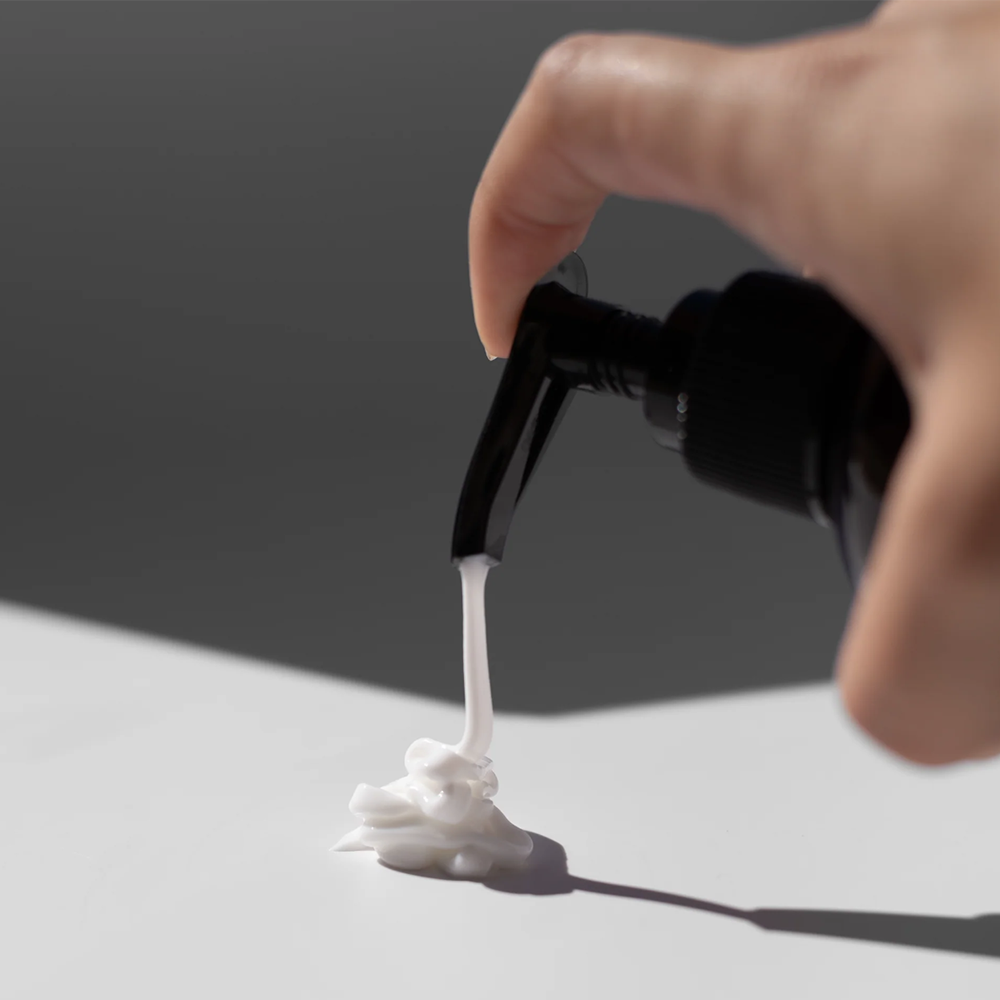
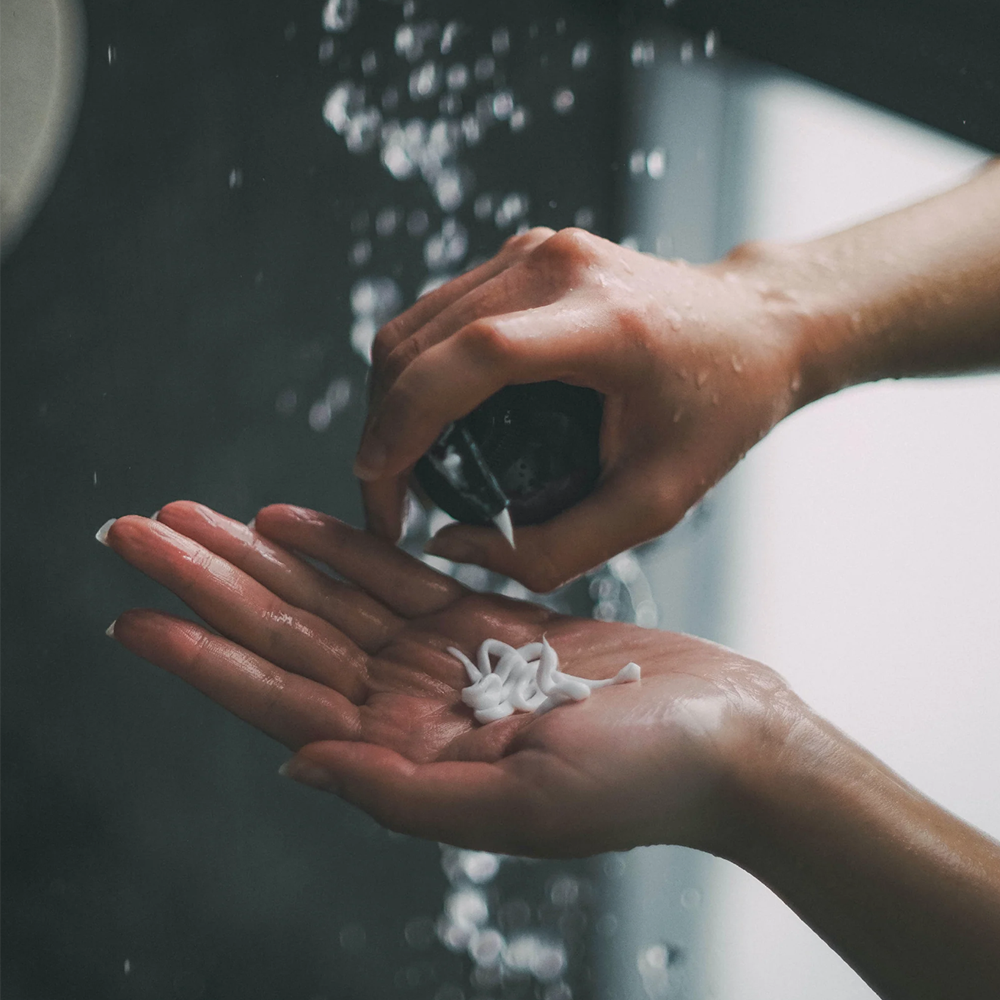
Apply after shampooing and rinsing, squeezing excess water from the hair first. Work the conditioner through the mid-lengths and ends — avoid applying heavily to the scalp unless the product is specifically a scalp treatment, as most rinse-out conditioners can weigh down the roots and contribute to oiliness. Leave for 1–3 minutes (longer for thicker, drier, or more damaged hair), then rinse thoroughly with cool water. Cool water closes the hair cuticle after the conditioner has worked, locking in the conditioning effect and adding shine.
What is the difference between rinse-out conditioner and leave-in conditioner?
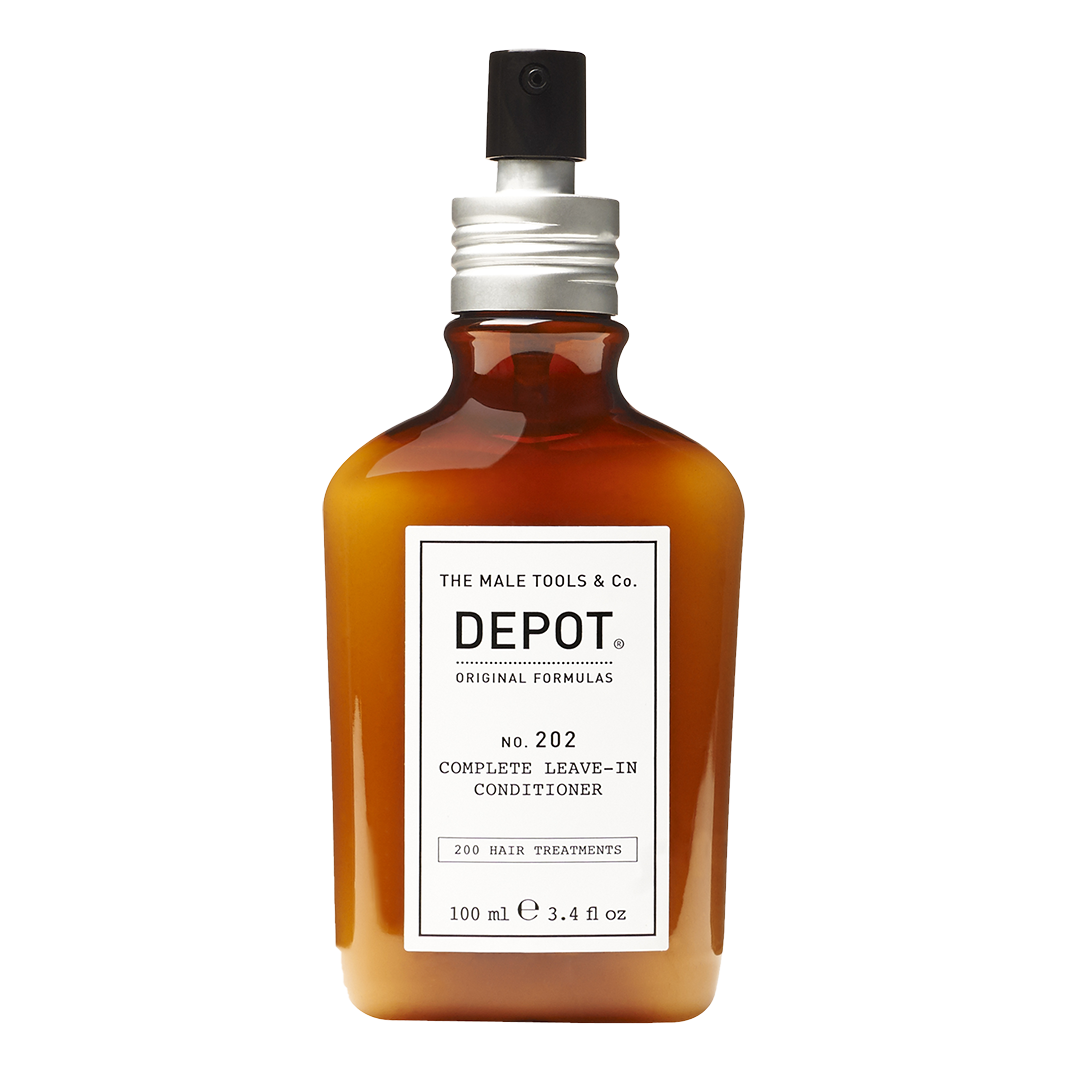
Rinse-out conditioner is applied, left for 1–3 minutes, and then rinsed out — it delivers intensive conditioning and is suitable for every hair type. Leave-in conditioner is a lighter formula applied to towel-dried hair and not rinsed out — it provides ongoing conditioning, heat protection, and frizz control throughout the day and is particularly beneficial for thick, curly, or dry hair that needs more sustained conditioning than a rinse-out alone provides. The two can be used together for maximum benefit on very dry or damaged hair.
Can conditioner cause hair to become oily or flat?
When applied incorrectly or in too large an amount, yes. Applying conditioner heavily to the roots and scalp leaves a residue that makes hair appear limp and oily, particularly on fine hair. The solution is to concentrate conditioner on the mid-lengths and ends where hair is oldest and most in need of conditioning, and to rinse thoroughly. If hair consistently feels flat after conditioning, try a lightweight volumising conditioner formula, use a smaller amount, and ensure the product is fully rinsed before styling.