Hair Oil & Tonic
Men's Hair Oil & Tonic — Shine, Scalp Health and Lightweight Conditioning
Hair oils and tonics are the conditioning and finishing products of the hair styling world — used not to create hold or structure, but to add shine, control flyaways, nourish the hair shaft, improve scalp health, or provide the light dressing that gives short, neat styles their polished appearance. Hair oil applied to dry, styled hair adds a healthy sheen and smooths frizz without weight. A hair tonic applied to the scalp stimulates circulation, conditions the follicle environment, and provides the classic barbershop finish that leaves short hair looking sharp without obvious product.
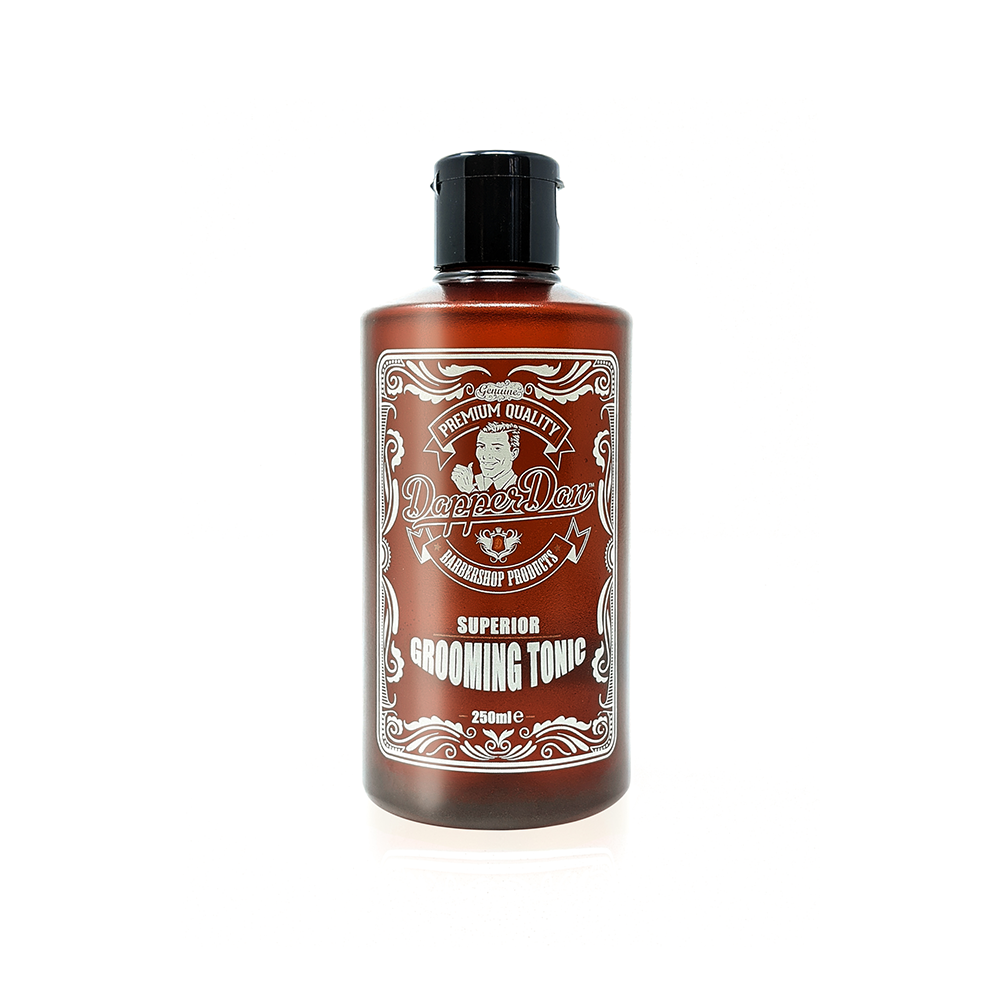
Hair oils range from lightweight, non-greasy options — argan oil, squalane, marula — that absorb quickly and add shine without residue, through to richer conditioning treatments for dry, damaged, or chemically treated hair. Hair tonics — a format with deep roots in traditional barbering — are typically water or alcohol-based preparations that condition the scalp, provide a light hold and shine, and leave a distinctive, clean barbershop fragrance. Browse our range from Captain Fawcett, Dapper Dan and more. Free delivery across Australia on orders over $50.
Frequently Asked Questions
What is a hair tonic and how is it different from a hair oil?
A hair tonic is typically a water or alcohol-based liquid preparation applied to the scalp and hair — traditionally used by barbers to condition the scalp, provide a light sheen, and finish a haircut with a clean, groomed appearance. Hair tonics are generally lighter than oils and absorb without leaving a greasy residue. A hair oil is an oil-based product that primarily conditions and adds shine to the hair shaft itself — heavier and more conditioning than a tonic, applied to the hair lengths rather than primarily to the scalp. Both have a place in a complete hair care routine.
Will hair oil make my hair look greasy?
Only if too much is used or an inappropriate oil is chosen. Lightweight hair oils — argan, squalane, jojoba — absorb into the hair shaft quickly and do not sit on the surface as a visible oily residue when used in small quantities. The key is starting with 1–2 drops for short hair and working up from there. Apply to dry, styled hair for the best control over the result — applying to wet hair makes it difficult to judge the correct amount and can lead to over-application. Men with oily hair should choose the lightest available formula and use sparingly.
Is hair oil good for scalp health?
Certain hair oils applied to the scalp can support scalp health — jojoba oil is particularly well-suited to scalp application as it closely mimics the scalp's own natural sebum and is non-comedogenic (does not clog follicles). Scalp massage with a small amount of jojoba or argan oil improves circulation and can reduce dryness and flaking. However, men with oily scalps should be cautious about applying oil directly to the scalp, which can exacerbate oiliness and contribute to follicle congestion. In those cases, a water-based hair tonic applied to the scalp is a better choice.
How do I use hair oil as a finishing product?
Once your style is complete and dry, dispense 1–3 drops of hair oil into your palm (start with 1 drop for short hair), rub between your palms to distribute evenly across both hands, then lightly smooth over the surface of the hair and through any stray or frizzy sections. Avoid applying directly to the roots — concentrate on the mid-lengths and ends. For very short, neat styles, run lightly oiled fingertips over the surface of the hair to add a controlled sheen and tame any flyaways without adding product weight.