Sun Care
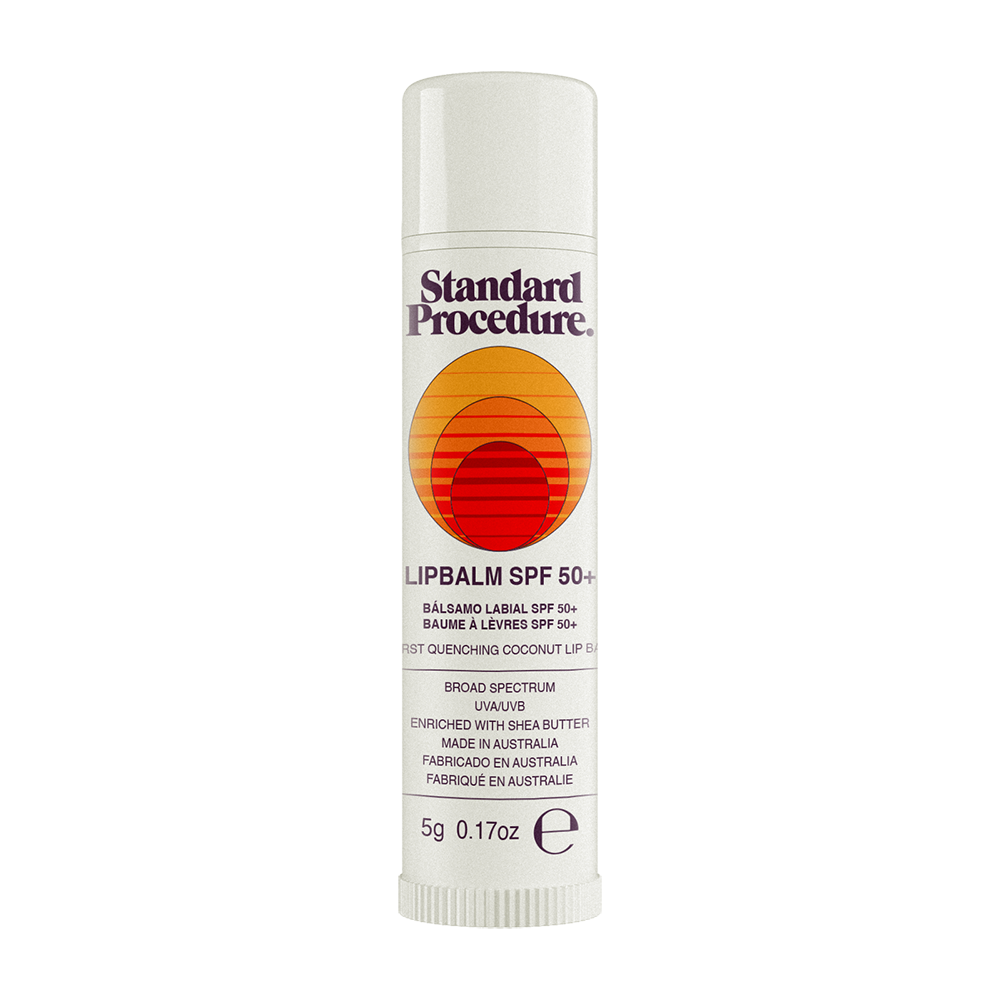
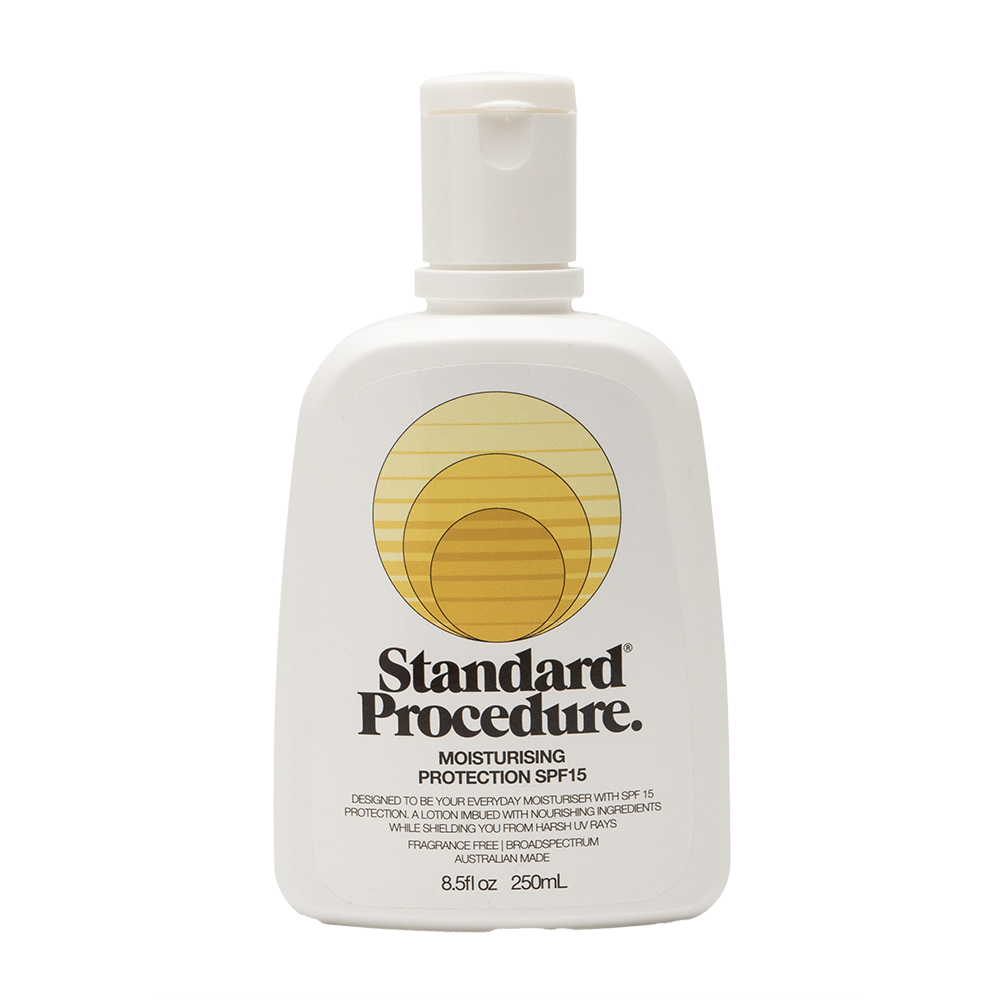
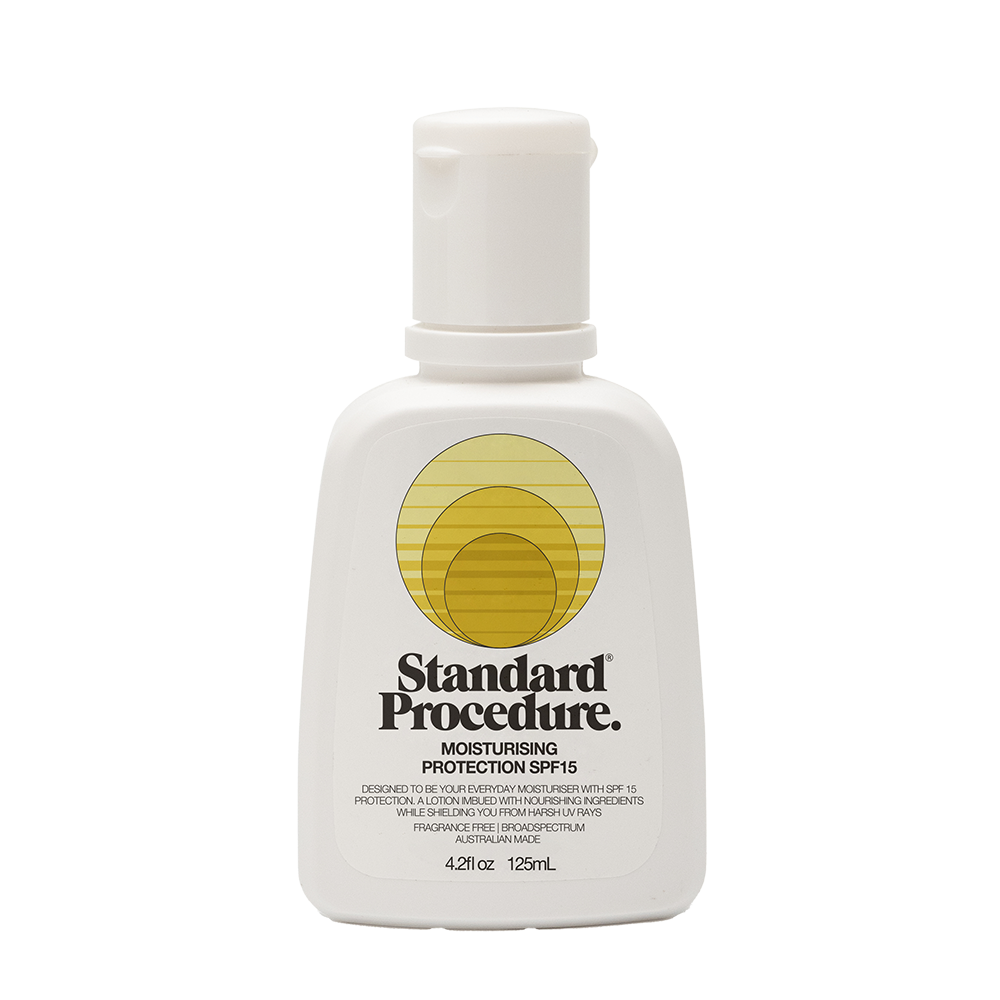
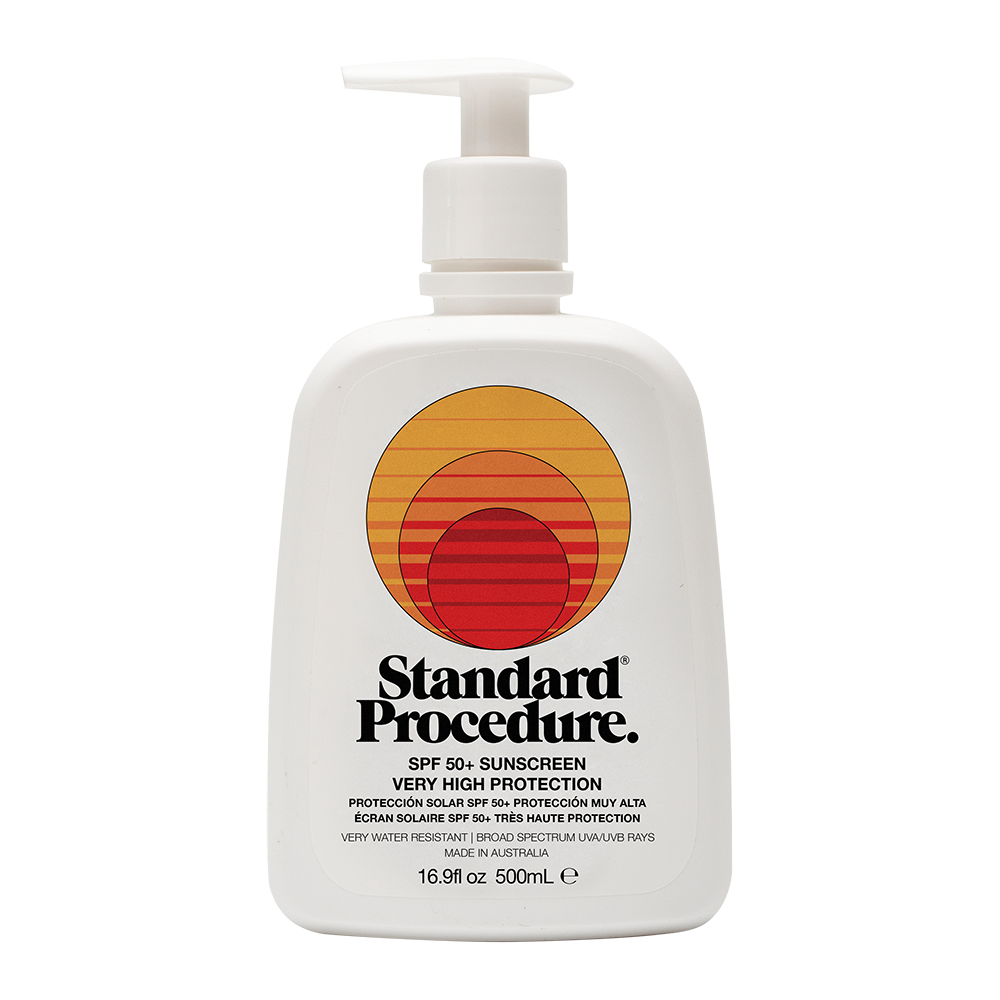
Men's Sun Care — Australia's Most Important Skincare Step
Australia has one of the highest rates of skin cancer in the world, and UV radiation is the primary cause of premature skin ageing — responsible for up to 80% of visible ageing signs including wrinkles, dark spots, loss of firmness, and uneven skin tone. Despite this, the majority of Australian men do not apply sunscreen to their face daily. SPF is not a summer product; UV radiation reaches damaging levels year-round in most Australian states, including on overcast days when UVA — the deeper-penetrating radiation responsible for ageing and DNA damage — passes through cloud cover largely undiminished.
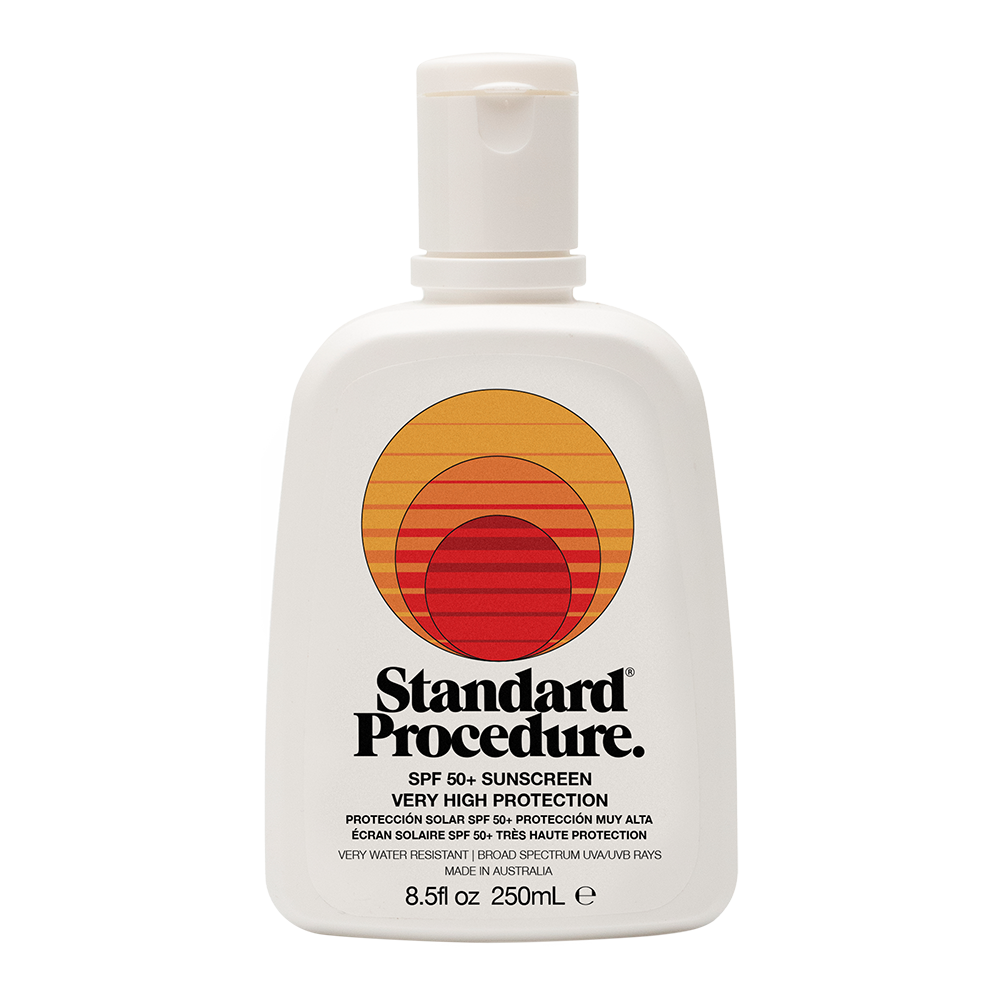
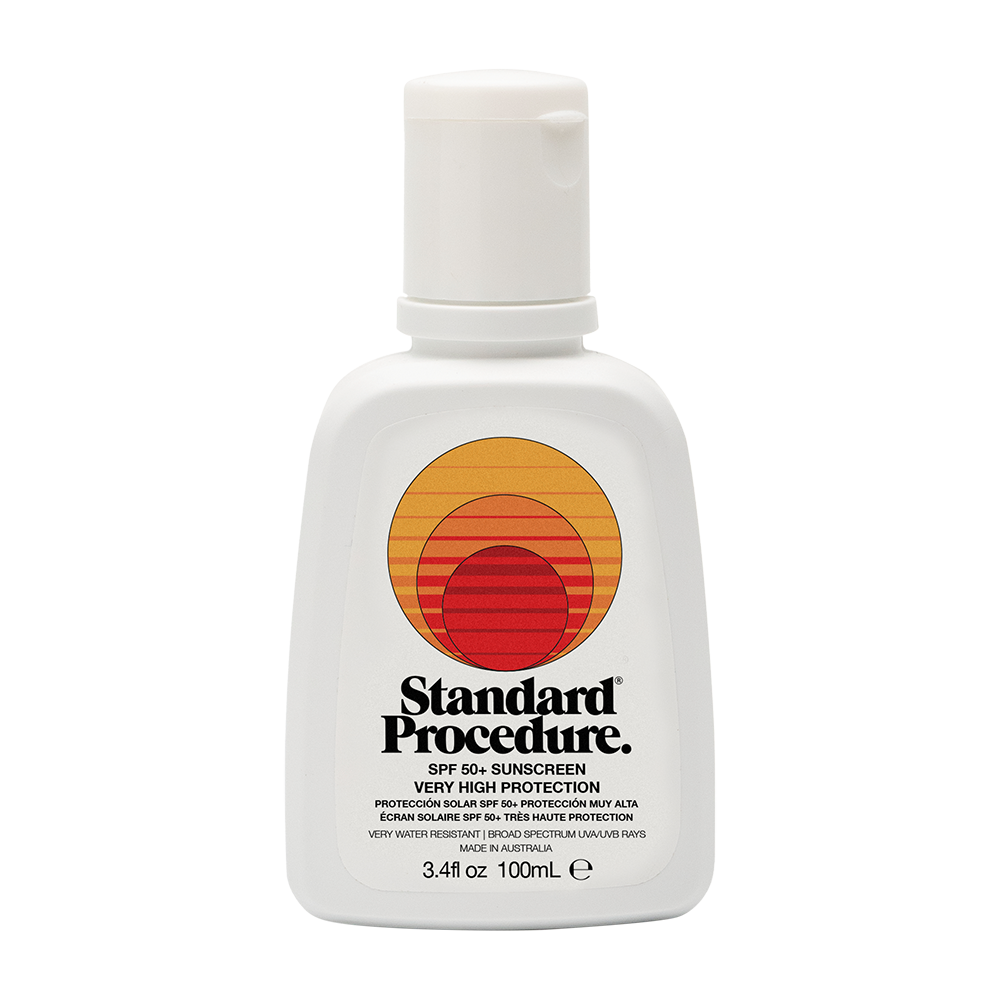
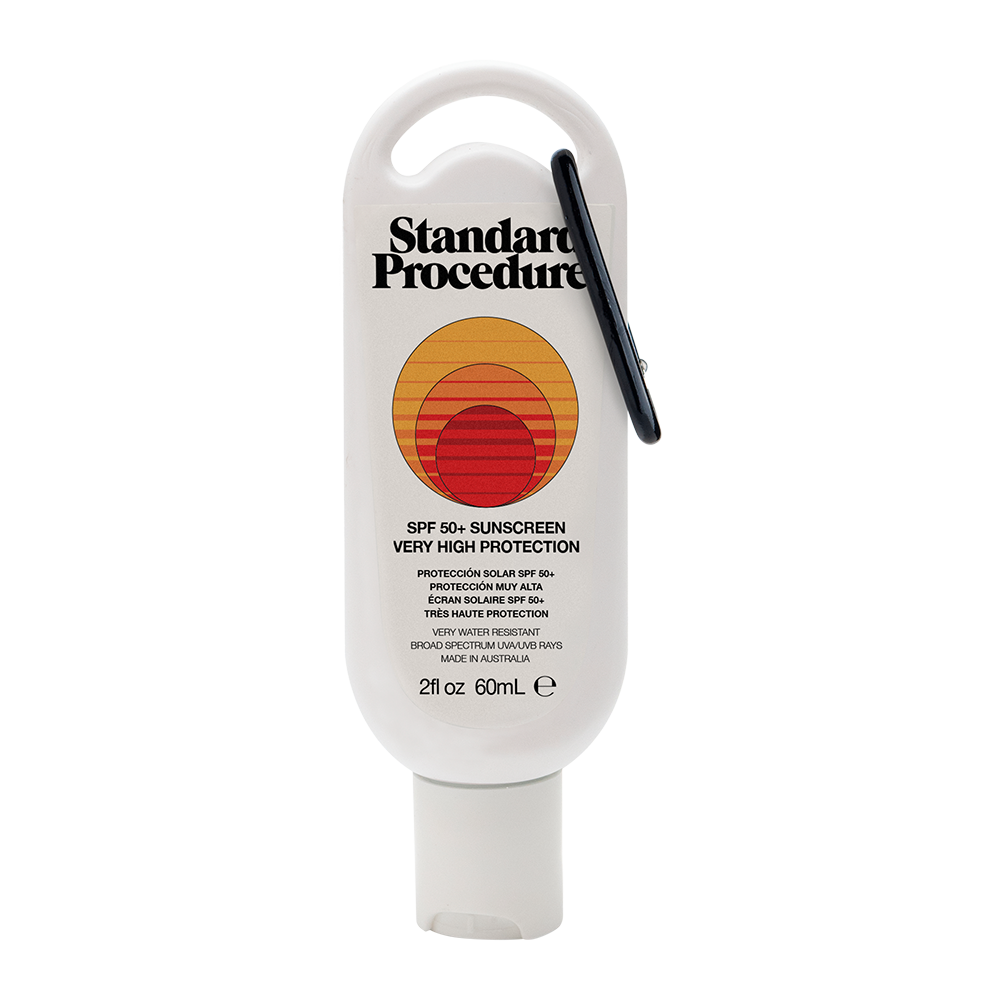
Daily facial SPF application is the single most evidence-backed skincare investment a man can make — more impactful than any serum, cream, or treatment. Our sun care range covers dedicated SPF face moisturisers, lightweight daily SPF fluids, mineral and chemical formulas, and options for body sun protection. All options in this range are suited to regular Australian conditions. Pair with a quality face moisturiser for a full AM routine or choose a combined SPF moisturiser for efficiency. Free delivery across Australia on orders over $50.
Frequently Asked Questions
Do men need to wear SPF every day, even in winter?
Yes — in Australia, daily SPF is a year-round requirement. UVA radiation — which causes ageing and contributes to skin cancer risk — maintains consistent levels across all seasons and penetrates glass, cloud cover, and light clothing. UVB — which causes sunburn — is lower in winter but not absent, and at altitude (skiing) or near reflective surfaces (water, snow, sand) can still be highly significant. Dermatologists universally recommend daily facial SPF 30+ application regardless of season or planned sun exposure.
What SPF do men need for daily use?
SPF 30 is the minimum recommended for daily Australian conditions — it blocks approximately 97% of UVB radiation. SPF 50+ blocks approximately 98%, offering marginally better protection that becomes more significant with extended outdoor exposure. For office-based men with incidental sun exposure, SPF 30 is adequate. For men who work outdoors, exercise outside, or spend significant time in direct sun, SPF 50+ applied and reapplied every 2 hours is the appropriate standard.
What is the difference between mineral and chemical sunscreen?
Mineral sunscreens use zinc oxide and/or titanium dioxide to physically block UV radiation at the skin surface — they work immediately upon application, are stable in sunlight, and are generally better tolerated by sensitive skin. Chemical sunscreens use organic compounds (avobenzone, octinoxate, octocrylene, etc.) that absorb UV radiation and convert it to heat — they tend to be more cosmetically elegant, less likely to leave a white cast, and require 15–20 minutes to be effective after application. Both types are safe and effective; the best sunscreen is the one you will actually apply consistently.
Will sunscreen make my face look white or greasy?
Earlier generation mineral sunscreens did leave a noticeable white cast, and many chemical formulas felt heavy and occlusive. Modern formulations have largely resolved both issues. Mineral SPF products now use micronised or nano zinc oxide that is largely invisible on the skin. Chemical and hybrid formulas have ultra-light fluid textures that absorb quickly and feel weightless. If past sunscreen experiences have put you off, the formulas in our range are a significant improvement on what was available even five years ago.